


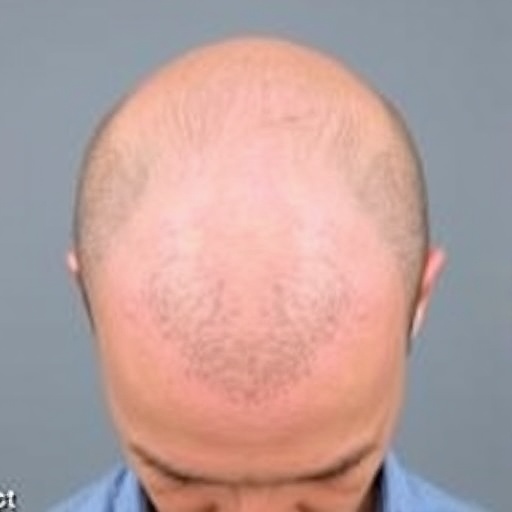
In recent years, the intersection of artificial intelligence (AI) and healthcare has transformed various medical fields, including dermatology. A groundbreaking study illuminates the innovative techniques designed for baldness detection and management through sophisticated AI and machine learning algorithms. This revolutionary approach not only promises to redefine the landscape of hair loss treatment but also sheds light on the potential of technology to address common health concerns that affect millions globally.
The study, conducted by a team of researchers led by Dachawar, Sampathi, and Ladkat, emphasizes the necessity of early and accurate detection of baldness. Androgenetic alopecia, often referred to as male or female pattern baldness, is a prevalent condition that affects a substantial portion of the population. The emotional toll and social implications of hair loss can be significant, leading to a demand for effective management strategies. With technological advancements, researchers have aimed to create AI-driven solutions that provide not only diagnosis but also personalized treatment recommendations for individuals.
One of the highlights of this research is the utilization of image processing techniques combined with deep learning algorithms. The study harnesses the power of convolutional neural networks (CNNs) to analyze thousands of images of scalp conditions. By generating a robust dataset, the AI models can learn to differentiate between varying stages and types of baldness, thus enhancing the accuracy of diagnosis. This automated process not only saves time but also reduces the risk of human error in assessments traditionally performed by dermatologists.
Moreover, the research delves into the classification of baldness patterns using AI algorithms. Through the deployment of advanced machine learning techniques, the team has developed models capable of identifying distinct hair loss patterns. These models can accurately predict the likelihood of progression based on initial assessment, allowing healthcare providers to tailor treatment plans to individual patients. By moving beyond one-size-fits-all approaches, this personalized medicine framework increases the chances of successful intervention and possibly regrowing hair.
In exploring treatment options, the researchers incorporated AI for recommending various therapeutic modalities based on the individual’s unique profile. Whether it involves topical treatments, pharmaceuticals, or even surgical options like hair transplants, AI can guide clinicians in selecting the most appropriate course of action. This guidance is grounded in not just current best practices but also the latest research findings, pushing the boundaries of conventional treatment paradigms.
The integration of telemedicine is another significant aspect of this innovative approach. As patients seek convenience and accessibility, telehealth platforms equipped with AI capabilities offer real-time consultations regarding hair loss concerns. Patients can upload images for analysis, receiving immediate feedback on the condition of their scalp. This eliminates geographical barriers, allowing individuals in remote locations to access expert advice without the need for extensive travel.
Importantly, there is an emphasis on ethical considerations associated with AI in healthcare. The researchers underline the significance of patient data privacy and the essential need for informed consent in the application of AI technologies. By transparently communicating how patient data will be used, researchers can foster trust and encourage wider acceptance of AI-driven solutions in medical practice.
Moreover, the study reflects on the ongoing dialogue regarding biases in AI datasets. To ensure that AI models are generalizable and effective across diverse populations, researchers need to be conscientious about the demographics represented in their training sets. Inclusive practices will help eliminate disparities in care and guarantee that individuals from varied backgrounds benefit equally from technological advancements.
As the dialogue around baldness detection continues to evolve, this research does not merely represent a scientific achievement but also inspires hope for those experiencing hair loss. Acknowledging that while AI may not reverse baldness for everyone, it signifies a leap towards more effective management solutions. The potential of personalized treatments aligned with real-world data captured through AI applications opens new pathways for recovery and reintegration into society for affected individuals.
The implications of this work expand beyond dermatology. By demonstrating the effective use of AI in diagnosing and managing a specific health condition, it serves as a blueprint for future applications across different medical fields. From cardiovascular health to diabetes management, integrating AI technologies can spark similar revolutions, enhancing patient outcomes globally.
In conclusion, the pioneering research into baldness detection and management signifies a transformative shift in how we approach common health issues through technology. The implementation of artificial intelligence and machine learning not only enhances diagnostic accuracy but also personalizes treatment methodologies. As society continue to embrace the possibilities presented by AI, the future of healthcare indeed looks promising, with the potential to change countless lives for the better.
Subject of Research: Baldness Detection and Management with AI
Article Title: Innovative approaches to baldness detection and management with artificial intelligence and machine learning
Article References:
Dachawar, M., Sampathi, S., Ladkat, V.V. et al. Innovative approaches to baldness detection and management with artificial intelligence and machine learning.
Arch Dermatol Res 318, 36 (2026). https://doi.org/10.1007/s00403-025-04477-4
Image Credits: AI Generated
DOI: 03 January 2026
Keywords: Baldness detection, AI, machine learning, dermatology, hair loss management, telemedicine, personalized treatment, ethical considerations, healthcare technology.
Tags: AI in dermatologyAI-driven healthcare solutionsandrogenetic alopecia managementconvolutional neural networks in healthcareearly detection of baldnesseffective strategies for hair restorationemotional impact of hair lossimage processing for scalp analysisinnovative hair loss technologiesmachine learning for baldness detectionpersonalized hair loss treatmenttransforming hair loss diagnosis with AI



