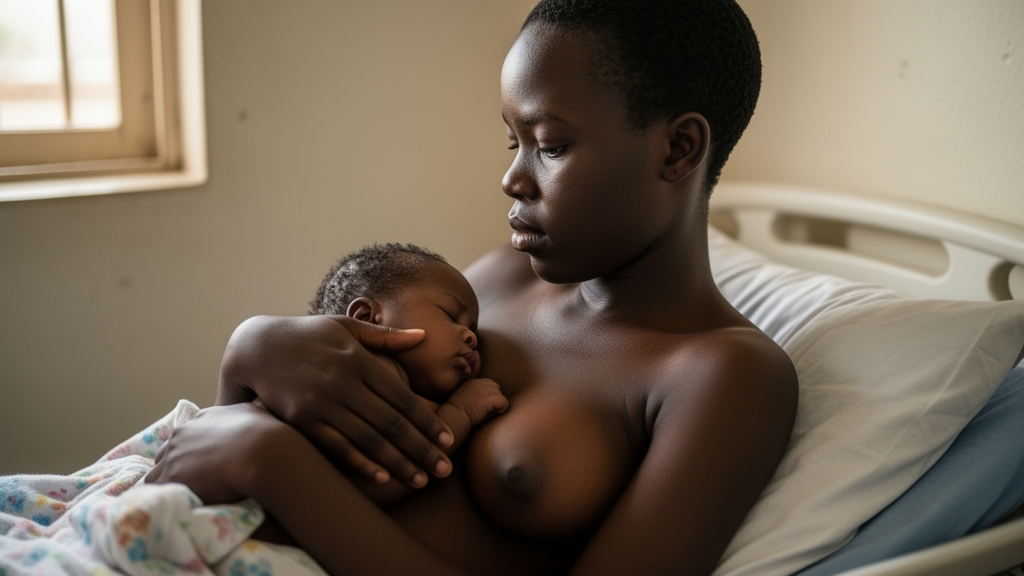
A cross-sectional study in Kinshasa, Democratic Republic of Congo, found that age and autonomy significantly influence the intention of young first-time mothers to use kangaroo mother care. The research analyzed secondary data from the 2020 Momentum Project endline survey, a quasi-experimental study conducted in three intervention and three comparison health zones. The total sample consisted of 1,918 adolescent and young first-time mothers aged 15 to 24 years.
The study examined the applicability of a modified Integrated Behavioral Model (IBM) framework for predicting these intentions. Kangaroo mother care is described as a low-cost, safe, and simple method that has proven efficacious at improving neonatal health outcomes, including mortality, in low-income countries. The World Health Organization recommends this care specifically for low birthweight and premature infants, though it is beneficial for all newborns.
Approximately half of the respondents in the study stated that they were “very likely” to practice kangaroo mother care if they had a low birthweight or preterm baby. The association between IBM components and kangaroo mother care intentions was tested using multivariate logistic regression. The analysis identified several factors positively associated with the intent to practice the method.
Approval of kangaroo mother care, normative expectations, descriptive norms, self-efficacy, and autonomy all contributed to the likelihood of intending to use the care. These findings indicate that multiple behavioral factors are simultaneously associated with the intention to use this neonatal care method. Age emerged as a significant predictor in the statistical model.
The odds of having kangaroo mother care intentions were 90% higher for first-time mothers aged 20 to 24 years compared to those aged 15 to 19 years. The 95% confidence interval for this association was 1.11 to 3.24. The study further revealed that the association between autonomy and kangaroo mother care intentions was moderated by age.
Marginal effects of the interaction showed that the probability of intending to practice the care for respondents aged 20 to 24 years was constant regardless of their level of autonomy. In contrast, autonomy significantly increased the probability of kangaroo mother care intentions for younger women aged 15 to 19 years. For the younger group, higher levels of autonomy were associated with a greater probability of intending to use kangaroo mother care.
For the older group, the probability of intention remained stable across different levels of autonomy. The results suggest that kangaroo mother care intentions among first-time mothers aged 15 to 24 years are associated with multiple factors simultaneously. Programs seeking to improve kangaroo mother care intentions among this population should consider implementing age-specific empowering and norms-based strategies.
Subject of Research: Behavioral predictors of kangaroo mother care intentions among adolescent mothers in Kinshasa
Article Title: The intention to use Kangaroo Mother Care among first-time mothers 15-24 years in Kinshasa, DRC: An application of the integrated behavioral model
Article References: Woo, M., Gage, A. J., Hernandez, J. H., Akilimali, P. Z., & Bertrand, J. T. (2026). The intention to use Kangaroo Mother Care among first-time mothers 15-24 years in Kinshasa, DRC: An application of the integrated behavioral model. PLOS Global Public Health, 6(10), e0006015. https://doi.org/10.1371/journal.pgph.0006015
Image Credits: AI Generated
DOI: 10.1371/journal.pgph.0006015
Keywords: Kangaroo Mother Care, Adolescent Mothers, Kinshasa, Democratic Republic of Congo, Integrated Behavioral Model, Neonatal Health, Low Birthweight, Public Health, Cross-sectional Study, Behavioral Predictors, intention, Kangaroo
News Source: Harold Sullivan. (October 23, 2026). Age and Autonomy Shape Kangaroo Care Intentions in Kinshasa. Scienmag.