• HOME
  • NEWS
  • EXPLORE
    • CAREER
      • Companies
      • Jobs
    • EVENTS
    • iGEM
      • News
      • Team
    • PHOTOS
    • VIDEO
    • WIKI
  • BLOG
  • COMMUNITY
    • FACEBOOK
    • INSTAGRAM
    • TWITTER
Sunday, October 4, 2026
BIOENGINEER.ORG
No Result
View All Result
  • Login
  • HOME
  • NEWS
  • EXPLORE
    • CAREER
      • Companies
      • Jobs
        • Lecturer
        • PhD Studentship
        • Postdoc
        • Research Assistant
    • EVENTS
    • iGEM
      • News
      • Team
    • PHOTOS
    • VIDEO
    • WIKI
  • BLOG
  • COMMUNITY
    • FACEBOOK
    • INSTAGRAM
    • TWITTER
  • HOME
  • NEWS
  • EXPLORE
    • CAREER
      • Companies
      • Jobs
        • Lecturer
        • PhD Studentship
        • Postdoc
        • Research Assistant
    • EVENTS
    • iGEM
      • News
      • Team
    • PHOTOS
    • VIDEO
    • WIKI
  • BLOG
  • COMMUNITY
    • FACEBOOK
    • INSTAGRAM
    • TWITTER
No Result
View All Result
Bioengineer.org
No Result
View All Result
Home Headlines

Adult brains produce new cells in previously undiscovered area

Bioengineer.org by Bioengineer.org
January 23, 2018
in Headlines, Health, Science News
Reading Time: 2 mins read
0
Share on FacebookShare on TwitterShare on LinkedinShare on RedditShare on Telegram

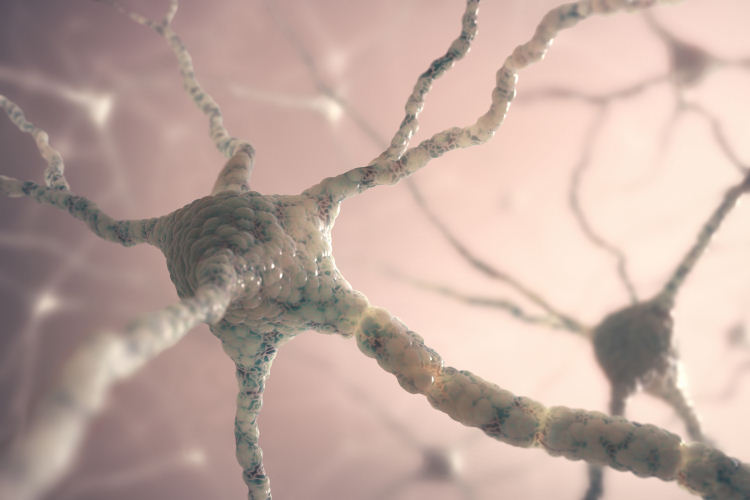
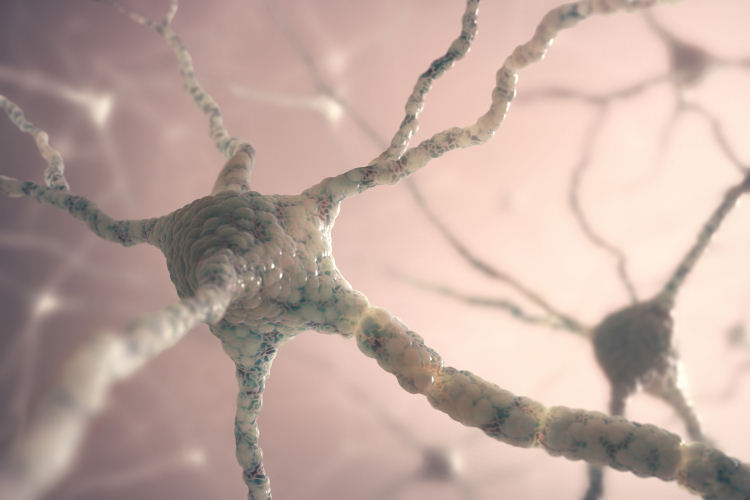
A University of Queensland discovery may lead to new treatments for anxiety, depression and post-traumatic stress disorder (PTSD). UQ Queensland Brain Institute scientists have discovered that new brain cells are produced in the adult amygdala, a region of the brain important for processing emotional memories.

Disrupted connections in the amygdala, an ancient part of the brain, are linked to anxiety disorders such as PTSD.

Queensland Brain Institute director Professor Pankaj Sah said the research marked a major shift in understanding the brain’s ability to adapt and regenerate.

“While it was previously known that new neurons are produced in the adult brain, excitingly this is the first time that new cells have been discovered in the amygdala,” Professor Sah said.

“Our discovery has enormous implications for understanding the amygdala’s role in regulating fear and fearful memories.”

Researcher Dr Dhanisha Jhaveri said the amygdala played a key role in fear learning — the process by which we associate a stimulus with a frightening event.

“Fear learning leads to the classic flight or fight response — increased heart rate, dry mouth, sweaty palms — but the amygdala also plays a role in producing feelings of dread and despair, in the case of phobias or PTSD, for example,” Dr Jhaveri said.

“Finding ways of stimulating the production of new brain cells in the amygdala could give us new avenues for treating disorders of fear processing, which include anxiety, PTSD and depression.”

Previously new brain cells in adults were only known to be produced in the hippocampus, a brain region important for spatial learning and memory.

The discovery of that process, called neurogenesis, was made by Queensland Brain Institute founding director Professor Perry Bartlett, who was also involved in the latest research.

“Professor Bartlett’s discovery overturned the belief at the time that the adult brain was fixed and unable to change,” Professor Sah said. “We have now found stem cells in the amygdala in adult mice, which suggests that neurogenesis occurs in both the hippocampus and the amygdala. “The discovery deepens our understanding of brain plasticity and provides the framework for understanding the functional contribution of new neurons in the amygdala,” Professor Sah said.

The research, led by Professor Sah, Professor Bartlett and Dr Jhaveri, is published in Molecular Psychiatry.

###

Media: Andrea Markey, [email protected], +61 405 661 856; Dr Dhanisha Jhaveri, [email protected], +61 403 996 747.

Media Contact

Andrea Markey
[email protected]
040-305-4837
@uq_news

http://www.uq.edu.au

Share12Tweet8Share2ShareShareShare2

Related Posts

New Study Examines How Dedicated Dermatology Textbooks Represent Skin of Colour

New Study Examines How Dedicated Dermatology Textbooks Represent Skin of Colour

October 4, 2026
Adding Immunotherapy to Chemo and Bevacizumab Extends Survival in Recurrent Cervical Cancer

Adding Immunotherapy to Chemo and Bevacizumab Extends Survival in Recurrent Cervical Cancer

October 4, 2026

Forskolin Extract Boosts Gut Hormone GLP-1 and Strengthens Intestinal Barrier in Cell Study

October 4, 2026

Empathy, Not Mood, Drives Helping in Autistic Children, Study Finds

October 4, 2026
Please login to join discussion

POPULAR NEWS

  • Alloys That Shrink Their Own Grains: New PIX Mechanism Refines Metals With Heat Alone

    Alloys That Shrink Their Own Grains: New PIX Mechanism Refines Metals With Heat Alone

    29 shares
    Share 12 Tweet 7
  • Endurance Exercise Reshapes the Liver in Males and Females Through Distinct Molecular Routes

    29 shares
    Share 12 Tweet 7
  • Single Transcription Factor PU.1 Rapidly Converts Fibroblasts into Macrophage-Lineage Cells

    29 shares
    Share 12 Tweet 7
  • New Scale Measures How Ready Nurse Educators Really Are for the AI Era

    29 shares
    Share 12 Tweet 7

About

We bring you the latest biotechnology news from best research centers and universities around the world. Check our website.

Follow us

Recent News

Alloys That Shrink Their Own Grains: New PIX Mechanism Refines Metals With Heat Alone

Endurance Exercise Reshapes the Liver in Males and Females Through Distinct Molecular Routes

Single Transcription Factor PU.1 Rapidly Converts Fibroblasts into Macrophage-Lineage Cells

Subscribe to Blog via Email

Success! An email was just sent to confirm your subscription. Please find the email now and click 'Confirm' to start subscribing.

Join 85 other subscribers
  • Contact Us

Bioengineer.org © Copyright 2023 All Rights Reserved.

Welcome Back!

Login to your account below

Forgotten Password?

Retrieve your password

Please enter your username or email address to reset your password.

Log In
No Result
View All Result
  • Homepages
    • Home Page 1
    • Home Page 2
  • News
  • National
  • Business
  • Health
  • Lifestyle
  • Science

Bioengineer.org © Copyright 2023 All Rights Reserved.