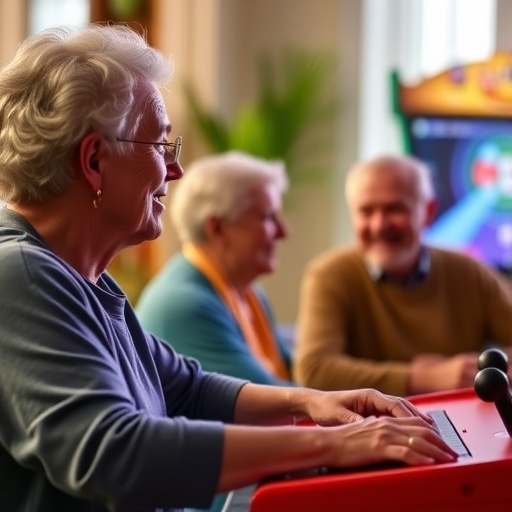
In recent years, the intersection of technology and geriatric care has attracted unparalleled attention, as researchers strive to leverage digital innovations to improve quality of life among older populations. A groundbreaking pilot randomized controlled trial published in BMC Geriatrics has propelled this discourse forward by exploring how active arcade gaming interventions can significantly enhance psychosocial outcomes in homebound elderly adults. This pioneering study, led by Bayuo, J., Wong, A.K.C., Wong, F.K.Y., and colleagues, delves deep into the therapeutic potential of interactive gaming as an accessible, engaging modality for psychological and social benefit.
The trial strategically targeted homebound seniors, a demographic notoriously vulnerable to isolation, depression, and cognitive decline. Traditionally, social engagement and physical activity opportunities for these individuals have been limited by mobility impairments or geographic constraints. By integrating active arcade gaming into their daily routines, this study sought to catalyze positive changes in emotional wellbeing and social connectedness, setting a new precedent in gerontological research.
Fundamentally, the intervention incorporated motion-controlled arcade games designed to encourage physical movement while simultaneously fostering mental stimulation. Unlike passive forms of entertainment, these games require active participation and decision-making, triggering neural pathways associated with learning, coordination, and social interaction. The trial emphasized the importance of involving older adults in activities that transcend passive consumption, recognizing that cognitive engagement is crucial to combating age-related decline.
The methodology adopted by the research team was a robust, pilot randomized controlled trial format, ensuring credible and scientifically valid results. Participants were randomly assigned either to an active arcade gaming group or a control group receiving standard care. This random allocation minimized selection bias and allowed for a clear examination of the intervention’s impact on various psychosocial parameters, including depression, loneliness, and perceived self-efficacy.
Data collection was multifaceted, utilizing validated scales and interviews that assessed psychological wellbeing, social interaction frequency, and life satisfaction levels both before and after the intervention period. Continuous monitoring also helped identify any adverse effects or barriers to engagement, affording a comprehensive understanding of the intervention’s feasibility and acceptability. Such rigorous assessment protocols underscore the trial’s commitment to scientific integrity.
Results from the trial revealed compelling evidence that active arcade gaming can serve as a powerful tool in enhancing mental health outcomes among homebound older adults. Significant reductions in symptoms of depression and feelings of loneliness were observed in the intervention group when compared with controls. These improvements highlight the real-world potential of digital games not only as recreational outlets but also as therapeutic agents that address mental health disparities in elderly populations.
Moreover, the social dimension of the gaming intervention proved to be equally transformative. Many participants reported feeling more connected to peers and caregivers through shared gaming experiences, even when physical co-presence was limited. This finding challenges the conventional notion that meaningful social interaction necessarily requires face-to-face contact, illustrating that virtual engagement can effectively bridge emotional gaps created by homebound circumstances.
From a neuroscientific perspective, the active nature of arcade gaming stimulates multiple brain regions implicated in executive function, spatial awareness, and motor coordination. This multifaceted engagement likely contributes to cognitive preservation or enhancement observed in participants, aligning with broader literature that supports the cognitive benefits of complex digital interactions. Such findings bolster the argument for incorporating technologically mediated activities into geriatric health strategies.
Technical innovations underpinning the gaming intervention were crucial to its success. Motion sensors calibrated to the physical capabilities of older adults ensured accessibility, while user-friendly interface designs promoted ease of use and sustained interest. The customization of game difficulty levels encouraged a sense of mastery and achievement without causing frustration, fostering intrinsic motivation and adherence.
Importantly, the study also highlights the scalability and cost-effectiveness of active arcade gaming interventions. Unlike traditional therapeutic modalities that may require considerable human resources and infrastructure, digital games can be disseminated widely with minimal ongoing personnel involvement. This aspect is particularly relevant for resource-constrained healthcare systems aiming to deliver quality psychosocial care to aging communities.
Ethical considerations were meticulously addressed throughout the trial. Informed consent procedures emphasized clear communication about the intervention’s aims, potential benefits, and risks. Researchers also prioritized participant privacy and data security, acknowledging the sensitive nature of mental health evaluations and digital monitoring in vulnerable populations. Such rigorous ethical standards enhance the credibility and reproducibility of the research.
The implications of this study extend beyond immediate clinical outcomes, suggesting a paradigm shift in how society conceptualizes aging and digital inclusion. By demonstrating that homebound older adults can actively engage with and derive meaningful psychosocial benefit from digital gaming, the research advocates for a more inclusive, technology-positive approach to senior care. This perspective encourages innovation in digital health technologies tailored to older users.
Future research directions inspired by this pilot trial encompass larger-scale studies with more diverse populations and longer follow-up periods to evaluate sustained effects and long-term benefits. Investigations into synergistic combinations of gaming with other therapeutic modalities—such as telehealth, physical therapy, or cognitive behavioral interventions—could further optimize biopsychosocial outcomes. Additionally, exploring gamification elements that foster community-building could amplify the social benefits highlighted in this initial study.
In conclusion, this trailblazing research from Bayuo and colleagues propels the conversation on aging, mental health, and technology into exciting new territory. By scientifically validating the effects of an active arcade gaming intervention on psychosocial wellbeing among homebound older adults, it charts a hopeful path for future innovations that harness the therapeutic powers of digital engagement. As global populations age and healthcare demands grow, such inventive solutions will be indispensable in promoting dignity, independence, and happiness among our elderly citizens.
Subject of Research: Effects of an active arcade gaming intervention on psychosocial outcomes for homebound older adults
Article Title: Effects of an active arcade gaming intervention on psychosocial outcomes for homebound older adults: a pilot randomised controlled trial
Article References:
Bayuo, J., Wong, A.K.C., Wong, F.K.Y. et al. Effects of an active arcade gaming intervention on psychosocial outcomes for homebound older adults: a pilot randomised controlled trial.
BMC Geriatr (2026). https://doi.org/10.1186/s12877-026-07426-6
Image Credits: AI Generated
Tags: active arcade gaming for seniorscognitive stimulation in older adultscombating isolation in elderly populationsdigital interventions for homebound elderlyenhancing emotional wellbeing in homebound seniorsimproving mental wellbeing with technologymotion-controlled games in geriatric carephysical activity for mobility-impaired seniorspsychosocial health benefits of gamingrandomized controlled trial in gerontologysocial engagement through interactive gamingtherapeutic use of video games for seniors