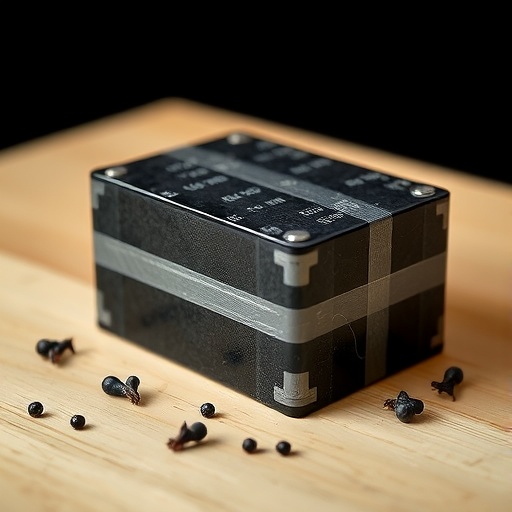
Researchers from various disciplines have recently converged on a fascinating exploration of sustainable materials for energy storage. The need for innovative solutions to meet the demands of renewable energy and efficient power storage has never been more pressing. A new study by Kallaa, Cheruku, and Lakkaboyana sheds light on an intriguing avenue for this quest: the use of activated carbon derived from spinach waste for supercapacitor applications. This research not only opens doors for future developments in energy storage but also highlights the importance of sustainability in material science.
With the rise of renewable energy sources, energy storage systems such as supercapacitors have come into the limelight. Supercapacitors are crucial components in modern energy solutions due to their ability to charge rapidly and deliver high power bursts. Traditional supercapacitors have relied heavily on conventional carbon materials, which often lead to environmental concerns regarding sourcing and disposal. The innovative approach taken in this research focuses on leveraging organic waste—specifically spinach waste—to create activated carbon, thus presenting a dual solution to energy storage and waste management.
The study begins with an examination of the properties of activated carbon. Activated carbon is known for its high surface area and porosity, which makes it an excellent candidate for electrode material in supercapacitors. By treating the carbon extracted from spinach waste through a series of processes including carbonization and activation, the researchers were able to enhance these properties even further. The result is a highly efficient material that can rival traditional sources, but with a much lower environmental impact.
Through meticulous experimentation, Kallaa and colleagues explored various activation methods to assess their efficiency in maximizing the surface area of the activated carbon. The methods included steam activation and chemical activation, both of which yielded promising results. The researchers noted that the process not only increased the surface area but also facilitated the formation of intricate pore structures that are essential for energy storage capabilities. Techniques like scanning electron microscopy (SEM) were employed to visualize and understand the microstructural changes that occurred during the activation phases.
Delving deeper into the characteristics of the spinach-derived activated carbon, the research highlighted its electrochemical properties. Tests conducted demonstrated that the activated carbon exhibited extraordinary capacitance values, demonstrating its potential for high-performance supercapacitor applications. The capacitance values achieved were competitive with commercially available carbon materials, revealing the viability of using agricultural waste as a powerful resource for energy solutions.
In addition to its performance metrics, the study addressed the broader implications of utilizing spinach waste. The agricultural sector produces massive amounts of organic waste, which poses significant environmental challenges. By transforming waste into valuable materials for energy storage, this research presents a compelling case for circular economy practices within industrial spheres. Not only does it contribute to waste reduction, but it also inspires a paradigm shift in how materials are sourced and utilized.
Moreover, the sustainability aspect of activated carbon derived from spinach waste cannot be understated. The use of renewable raw materials represents a significant advancement in reducing the carbon footprint associated with traditional supercapacitor manufacturing. By shifting the paradigm towards waste-derived materials, industries can lower reliance on fossil fuels, contributing to a more sustainable future while meeting the ever-growing energy demands.
The experimental framework established by Kallaa et al. holds significant potential for further research and innovation. As energy storage solutions continue to evolve, the incorporation of bio-waste into the manufacturing process of supercapacitors may well become a prominent trend. This study serves as a catalyst for future investigations focused not only on spinach but also on other agricultural byproducts that could yield similarly beneficial materials.
In conclusion, the research conducted by Kallaa, Cheruku, and Lakkaboyana represents a significant stride towards resolving two pressing global issues: the quest for efficient energy storage solutions and the need for sustainable waste management practices. By tapping into the underexplored potential of spinach waste, this study not only offers practical applications in the realm of supercapacitors but also advocates for a broader, more sustainable approach to material science. The exploration of waste-derived activated carbon could very well inspire the next generation of environmentally friendly technologies.
As we look to the future, it is clear that embracing sustainable methods in energy storage not only aligns with environmental goals but also enhances the effectiveness of our technological capabilities. The innovations stemming from Kallaa’s study provide a glimpse into a future where energy solutions can be both powerful and sustainable, setting a new standard for the intersection of science, industry, and environmental stewardship.
This pioneering work strives to shift perceptions towards organic waste, advocating for the reevaluation of our approach to waste management and material utilization. As the world continues to grapple with energy challenges, the findings of this research are likely to pave the way for new standards in energy storage technologies. It is this kind of innovative thinking that will define the future of sustainable energy solutions, cultivating a greener planet for generations to come.
Subject of Research: Activated Carbon Derived from Spinach Waste for Supercapacitor Applications
Article Title: Spinach-waste-derived activated carbon for supercapacitor application.
Article References:
Kallaa, R.M.N., Cheruku, R., Lakkaboyana, S.K. et al. Spinach-waste-derived activated carbon for supercapacitor application.
Ionics (2026). https://doi.org/10.1007/s11581-025-06937-3
Image Credits: AI Generated
DOI: 13 January 2026
Keywords: Activated carbon, spinach waste, supercapacitors, sustainable materials, renewable energy.
Tags: activated carbon from spinach wasteconventional carbon materialsenergy storage systemsenvironmental concerns in energyhigh surface area activated carboninnovative solutions for power storagematerial science sustainabilityorganic waste utilizationRenewable energy solutionssupercapacitor applicationssustainable materials for energy storagewaste management in energy production