• HOME
  • NEWS
  • EXPLORE
    • CAREER
      • Companies
      • Jobs
    • EVENTS
    • iGEM
      • News
      • Team
    • PHOTOS
    • VIDEO
    • WIKI
  • BLOG
  • COMMUNITY
    • FACEBOOK
    • INSTAGRAM
    • TWITTER
Wednesday, July 8, 2026
BIOENGINEER.ORG
No Result
View All Result
  • Login
  • HOME
  • NEWS
  • EXPLORE
    • CAREER
      • Companies
      • Jobs
        • Lecturer
        • PhD Studentship
        • Postdoc
        • Research Assistant
    • EVENTS
    • iGEM
      • News
      • Team
    • PHOTOS
    • VIDEO
    • WIKI
  • BLOG
  • COMMUNITY
    • FACEBOOK
    • INSTAGRAM
    • TWITTER
  • HOME
  • NEWS
  • EXPLORE
    • CAREER
      • Companies
      • Jobs
        • Lecturer
        • PhD Studentship
        • Postdoc
        • Research Assistant
    • EVENTS
    • iGEM
      • News
      • Team
    • PHOTOS
    • VIDEO
    • WIKI
  • BLOG
  • COMMUNITY
    • FACEBOOK
    • INSTAGRAM
    • TWITTER
No Result
View All Result
Bioengineer.org
No Result
View All Result
Home NEWS Science News Biology

A study at zoos shows that 42% of the animals were infected with the ‘Toxoplasma gondii’

Bioengineer by Bioengineer
April 13, 2020
in Biology
Reading Time: 2 mins read
0
IMAGE
Share on FacebookShare on TwitterShare on LinkedinShare on RedditShare on Telegram

IMAGE

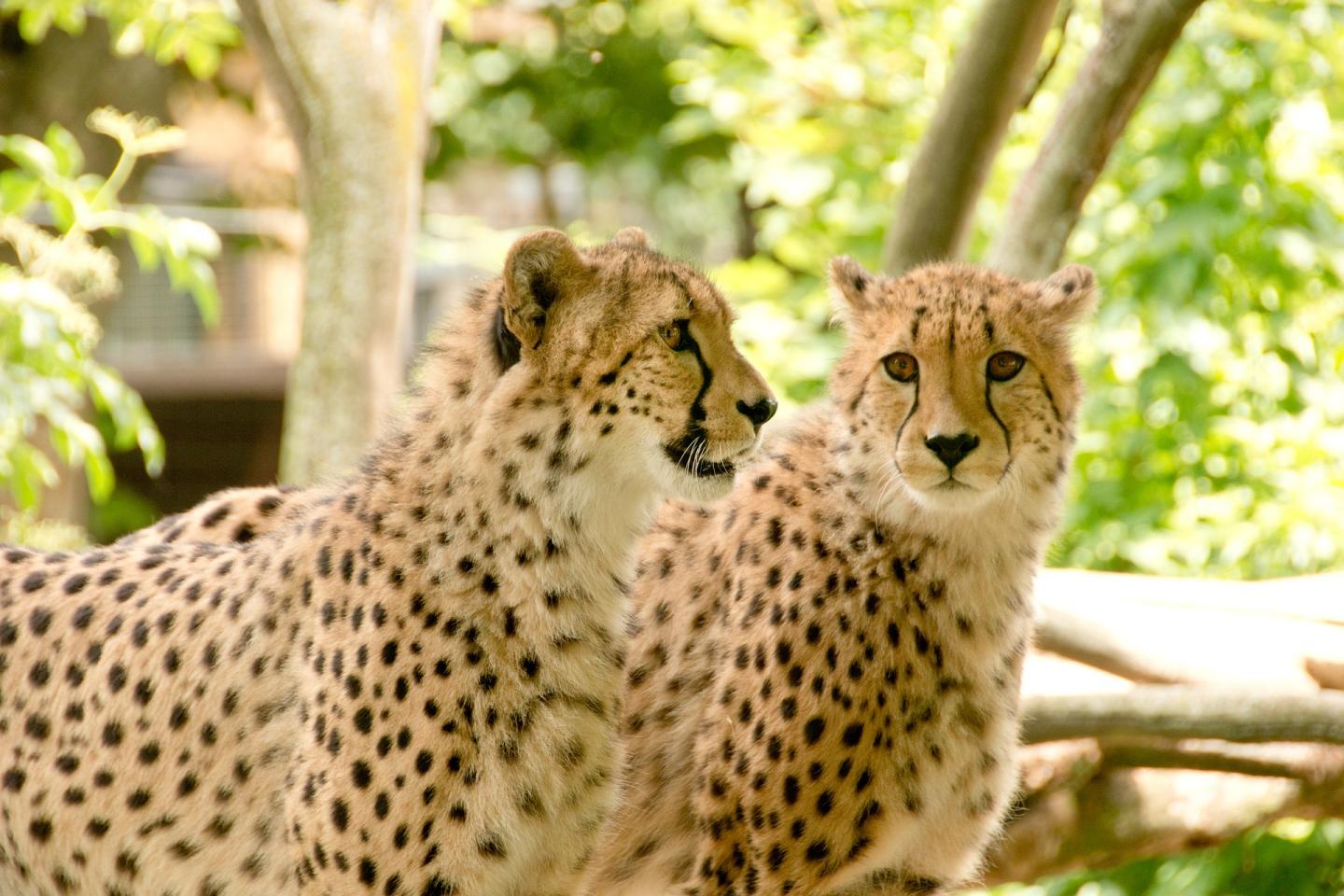
Credit: Pixabay

Toxoplasmosis is a parasitic disease caused by the Toxoplasma gondii parasite, which can be passed from animals to human beings (zoonosis). It is widely spread all over the world and, though it does not generally present symptoms, it is considered to be a major cause of reproductive disorders in a variety of species, including human beings. Although felines are definitive hosts (the only species that eliminates the infectiousness of the parasite), all warm-blooded species are potentially susceptible to infection. This disease has great significance in animal health and public health, and is primarily associated with reproductive disorders as well as alterations in the nervous and respiratory systems in immunosuppressed people.

The results were obtained from a recent study performed in different zoos around Spain by the Infectious Diseases research group at the Animal Health Department at the University of Cordoba. These results indicate that 42% of the 393 zoo animals under analysis showed T. gondii antibodies, meaning that at some point in their lives they had contact with this parasite. Moreover, animals tested positive at all the zoos included in the study.

The study, in which blood serum samples were taken from 393 animals belonging to 91 different species, was made possible by a collaboration agreement among zoos around Spain.

“The results are not alarming from a public health perspective, since many people are already immune and the risk of a zoo animal infecting a person is quite low”, explains Ignacio García, one of the study’s authors along with researchers David Cano, Sonia Almería, Javier Caballero, Débora Jiménez, Sabrina Castro and Jitender P. Dubey.

Nevertheless, in light of these results, infection from this parasite could become a conservation issue in certain endangered species living in zoos, especially during pregnancy or in certain species that are particularly prone to infection. Thus, as Ignacio García points out, it is necessary for zoos to take preventative measures aimed at keeping this parasite from moving around these establishments.

Some alternatives to limiting this spread, explains the researcher, range from creating effective rodent control programs to keeping stray cats out of zoos, as well as properly washing produce and freezing meat before feeding these species.

###

Media Contact
Elena Lázaro Real
[email protected]

Related Journal Article

http://dx.doi.org/10.1016/j.prevetmed.2020.104930

Tags: BiologyParasitology
Share12Tweet8Share2ShareShareShare2

Related Posts

Here are a few rewritten headlines for a science magazine post, each with a slightly different tone: Intriguing & poetic: How do organs sculpt themselves? Sea stars hold the secret Direct & research-focused: Sea stars reveal the hidden rules of organ formation Metaphorical & inviting: Tiny architects beneath the waves: What sea stars teach us about building organs Short & punchy: Star-shaped clues to how our organs take shape Question-led: Could a sea star show us how organs form? Elegant & feature-style: The body’s blueprint, glimpsed in a sea star’s arm

July 6, 2026
Bacteria evolve faster with unconventional gene copies — Biology

Bacteria evolve faster with unconventional gene copies

July 6, 2026

Neighbours rewire soil feedback via root microbiome shifts

July 6, 2026

Evolution-Inspired Biosensors Revolutionize Lipid Tracking in Real Time

July 2, 2026
Please login to join discussion

POPULAR NEWS

  • Detection of EDCs in Breast Milk and Infant Urine Up to Six Months Highlights Early Exposure Risks

    77 shares
    Share 31 Tweet 19
  • New Drug Candidate Developed at McMaster Shows Potential for Treating Brain Cancer

    58 shares
    Share 23 Tweet 15
  • Saying Goodbye to PGY-6: Pediatric Fellowship Realities

    103 shares
    Share 41 Tweet 26
  • KTU Researchers Explore Ultrasound’s Role in Enhancing Blood Flow Beyond Diagnostics

    53 shares
    Share 21 Tweet 13

About

We bring you the latest biotechnology news from best research centers and universities around the world. Check our website.

Follow us

Recent News

Flame retardant BDE-209 targets molecularly linked to ulcerative colitis

Ultra-high frequency particle impacts mimic rockbursts to shatter hard rock

Kidney transplant outcomes in older adults studied by German researchers

Subscribe to Blog via Email

Success! An email was just sent to confirm your subscription. Please find the email now and click 'Confirm' to start subscribing.

Join 83 other subscribers
  • Contact Us

Bioengineer.org © Copyright 2023 All Rights Reserved.

Welcome Back!

Login to your account below

Forgotten Password?

Retrieve your password

Please enter your username or email address to reset your password.

Log In
No Result
View All Result
  • Homepages
    • Home Page 1
    • Home Page 2
  • News
  • National
  • Business
  • Health
  • Lifestyle
  • Science

Bioengineer.org © Copyright 2023 All Rights Reserved.