• HOME
  • NEWS
  • EXPLORE
    • CAREER
      • Companies
      • Jobs
    • EVENTS
    • iGEM
      • News
      • Team
    • PHOTOS
    • VIDEO
    • WIKI
  • BLOG
  • COMMUNITY
    • FACEBOOK
    • INSTAGRAM
    • TWITTER
Saturday, July 4, 2026
BIOENGINEER.ORG
No Result
View All Result
  • Login
  • HOME
  • NEWS
  • EXPLORE
    • CAREER
      • Companies
      • Jobs
        • Lecturer
        • PhD Studentship
        • Postdoc
        • Research Assistant
    • EVENTS
    • iGEM
      • News
      • Team
    • PHOTOS
    • VIDEO
    • WIKI
  • BLOG
  • COMMUNITY
    • FACEBOOK
    • INSTAGRAM
    • TWITTER
  • HOME
  • NEWS
  • EXPLORE
    • CAREER
      • Companies
      • Jobs
        • Lecturer
        • PhD Studentship
        • Postdoc
        • Research Assistant
    • EVENTS
    • iGEM
      • News
      • Team
    • PHOTOS
    • VIDEO
    • WIKI
  • BLOG
  • COMMUNITY
    • FACEBOOK
    • INSTAGRAM
    • TWITTER
No Result
View All Result
Bioengineer.org
No Result
View All Result
Home NEWS Science News Health

A peek into lymph nodes

Bioengineer by Bioengineer
March 14, 2019
in Health
Reading Time: 2 mins read
0
IMAGE
Share on FacebookShare on TwitterShare on LinkedinShare on RedditShare on Telegram

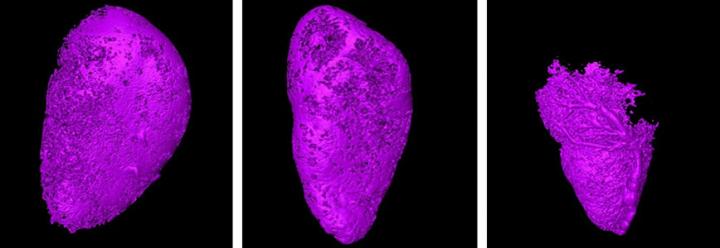
A new method to diagnose cancer cells inside lymph nodes could allow doctors to treat cancers before they spread around the body
IMAGE

Credit: Tohoku University

The vast majority of cancer deaths occur due to the spread of cancer from one organ to another, which can happen either through the blood or the lymphatic system. However, it can be tricky to detect this early enough. Researchers at Tohoku University have developed a new method that would allow doctors to detect cancers in the lymph nodes while they are still small, before they travel to other parts of the body. This can greatly increase the chances of a successful treatment.

There aren’t many imaging techniques that can detect tumors in lymph nodes before they grow too large, especially in smaller nodes. Biopsies of lymph nodes is a possible option, but it can often give false negative results. So the team wanted to come up with a new method that would accurately detect the earliest stages of a cancer moving to another part of the body, using a technique called x-ray microcomputed tomography (micro-CT).

The team tested their new method on mice with breast cancer cells inserted into their lymph nodes. They injected a contrast agent at a slow, steady pace into the lymph nodes upstream of those carrying the cancer cells. As the contrast agent made its way through the lymphatic system, the researchers were able to map out its movement using micro-CT.

Initially, the researchers did not observe any change in the flow of the contrast agent. However, after 28 days of injecting the cancer cells into the lymph nodes, they had divided and grown to a point where they blocked the flow of the contrast agent, creating empty pockets in the scan that did not have any contrast agent.

By comparing the shape of the lymph node and the areas that contained the contrast agent, the researchers were able to get a clear picture of the presence of cancer cells there.

Next, the researchers would like to hone in on better contrast agents that would offer a clearer, more precise picture of how cancer cells are moving around the lymphatic system. In the future, this technique could be an effective way to detect tumors early before they spread around the body, saving many lives and adding one more tool that doctors can turn to in their fight against cancer.

###

Media Contact
Tetsuya Kodama
[email protected]

Original Source

https://www.tohoku.ac.jp/en/press/lymph_nodes.html

Related Journal Article

http://dx.doi.org/10.1007/s11307-018-01303-4

Tags: cancerMedicine/Health
Share12Tweet8Share2ShareShareShare2

Related Posts

Unlocking the Mysteries of Alzheimer’s Disease

July 2, 2026

Linking Single-Cell Transcriptomes to Mouse Visual Circuits

July 2, 2026

Cross-Stage, Cross-Species Malaria CD8+ T Cell Antigens Identified

July 2, 2026

Food Web Complexity Drives Biodiversity Impact

July 2, 2026
Please login to join discussion

POPULAR NEWS

  • Detection of EDCs in Breast Milk and Infant Urine Up to Six Months Highlights Early Exposure Risks

    77 shares
    Share 31 Tweet 19
  • Saying Goodbye to PGY-6: Pediatric Fellowship Realities

    103 shares
    Share 41 Tweet 26
  • New Drug Candidate Developed at McMaster Shows Potential for Treating Brain Cancer

    58 shares
    Share 23 Tweet 15
  • KTU Researchers Explore Ultrasound’s Role in Enhancing Blood Flow Beyond Diagnostics

    53 shares
    Share 21 Tweet 13

About

BIOENGINEER.ORG

We bring you the latest biotechnology news from best research centers and universities around the world. Check our website.

Follow us

Recent News

Steatosis Drives Liver Metastasis Diversity in CRC

Unlocking the Mysteries of Alzheimer’s Disease

Pensoft Introduces New Peer-Reviewed Journal of Regeneration to Advance Restorative Biology Across Species

Subscribe to Blog via Email

Enter your email address to subscribe to this blog and receive notifications of new posts by email.

Join 83 other subscribers
  • Contact Us

Bioengineer.org © Copyright 2023 All Rights Reserved.

Welcome Back!

Login to your account below

Forgotten Password?

Retrieve your password

Please enter your username or email address to reset your password.

Log In
No Result
View All Result
  • Homepages
    • Home Page 1
    • Home Page 2
  • News
  • National
  • Business
  • Health
  • Lifestyle
  • Science

Bioengineer.org © Copyright 2023 All Rights Reserved.