First comprehensive map of the proteome of the model plant Arabidopsis thaliana
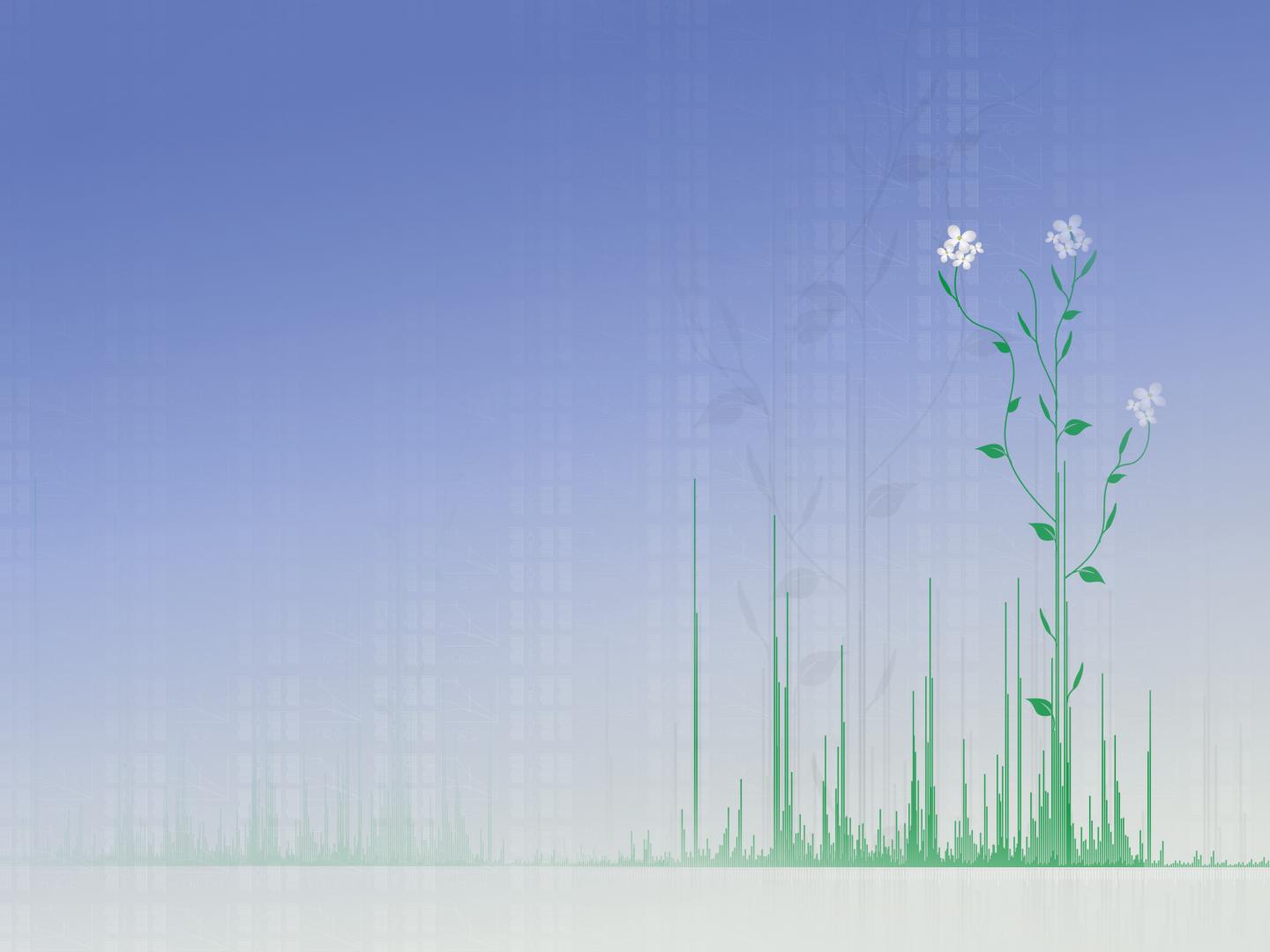
Credit: Chair of Proteomics and Bioanalytics
Every cell of any organism contains the complete genetic information, or the “blueprint”, of a living being, encoded in the sequence of the so-called nucleotide building blocks of DNA. But how does a plant create tissues as diverse as a leaf that converts light into chemical energy and produces oxygen, or a root that absorbs nutrients from the soil?
The answer lies in the protein pattern of the cells of the respective tissue. Proteins are the main molecular players in every cell. They are biocatalysts, transmit signals inside and between cells, form the structure of a cell and much more.
“To form the protein pattern, it is not only important which proteins are present in a tissue, but, more importantly, in what quantities,” explains Bernhard Kuster, Professor of Proteomics and Bioanalytics at TUM. For example, proteins of the photosynthesis machinery are found primarily in leaves, but also in seeds, yet at a thousand times lower levels.
Laboratory plants as a model for basic research
The team around Dr. Julia Mergner and Prof. Bernhard Kuster examined the model plant Arabidopsis thaliana, or thale cress, using biochemical and analytical high-throughput methods to find out more about the molecular composition.
For 40 years, this rather inconspicuous weed with small white flowers has been the “laboratory mouse” of plant biology. It is small, generally undemanding and easy to grow. These properties have paved the way for its frequent us in genetics and molecular biology. The fact that insights from basic research on Arabidopsis can often be transferred to crop plants also makes Arabidopsis interesting for plant breeding research.
Most of the data was generated using a method called liquid chromatography-tandem mass spectrometry, which enables the analysis of thousands of proteins in parallel in one experiment and bioinformatics methods helped analyze the huge amounts of data.
Arabidopsis-Atlas for the global scientific community
“For the first time, we have comprehensively mapped the proteome, that is, all proteins from the tissues of the model plant Arabidopsis,” explains Bernhard Kuster. “This allows new insights into the complex biology of plants.”
All results of the research work were summarized in a virtual atlas which provides initial answers to the questions:
- How many of the approximately 27,000 genes exist in the plant as proteins (> 18,000)?
- Where are they located within the organism (e.g. flower, leaf or stem)?
- In what approximate quantities do they occur?
All data is freely available in the online database ProteomicsDB, which already contains a protein catalog for the human proteome, which the same team at TUM decoded in 2014.
Research results as the basis for future analysis of crop plants
One can anticipate that there are similarities between Arabidopsis and the molecular maps of other plants. “The Atlas should, therefore, also inspire research on other plants,” says Kuster.
In the future, the researchers will turn their attention to the analysis of crops. Of particular interest will be to investigate how the proteome changes when plants are attacked by pests or how plants can adapt to climate change.
###
More information:
Interactive access to this unique data resource for plant research is provided via the free database ProteomicsDB. This includes powerful bioinformatic tools for the analysis of Arabidopsis proteins, their modifications and interactions: https:/
The research project was carried out within the Collaborative Research Center 924 of the German Research Foundation (DFG) Molecular mechanisms regulating yield and yield stability in plants. The sFB924 is coordinated by Claus Schwechheimer, Professor of Systems Biology at TUM: https:/
Institutions participating in the project were TUM (lead), the Helmholtz Center Munich, the LMU Munich University, the University of Regensburg, the University of Tuebingen and Cellzome GmbH in Heidelberg.
Media Contact
Dr. Bernhard Kuster
[email protected]
49-816-171-5696
Original Source
https:/
Related Journal Article
http://dx.