

• HOME
  • NEWS
  • EXPLORE
    • CAREER
      • Companies
      • Jobs
    • EVENTS
    • iGEM
      • News
      • Team
    • PHOTOS
    • VIDEO
    • WIKI
  • BLOG
  • COMMUNITY
    • FACEBOOK
    • INSTAGRAM
    • TWITTER
Saturday, February 7, 2026
BIOENGINEER.ORG
No Result
View All Result
  • Login
  • HOME
  • NEWS
  • EXPLORE
    • CAREER
      • Companies
      • Jobs
        • Lecturer
        • PhD Studentship
        • Postdoc
        • Research Assistant
    • EVENTS
    • iGEM
      • News
      • Team
    • PHOTOS
    • VIDEO
    • WIKI
  • BLOG
  • COMMUNITY
    • FACEBOOK
    • INSTAGRAM
    • TWITTER
  • HOME
  • NEWS
  • EXPLORE
    • CAREER
      • Companies
      • Jobs
        • Lecturer
        • PhD Studentship
        • Postdoc
        • Research Assistant
    • EVENTS
    • iGEM
      • News
      • Team
    • PHOTOS
    • VIDEO
    • WIKI
  • BLOG
  • COMMUNITY
    • FACEBOOK
    • INSTAGRAM
    • TWITTER
No Result
View All Result
Bioengineer.org
No Result
View All Result
Home NEWS Science News Biology

UTA researchers find cheaper, less energy-intensive way to purify ethylene

Bioengineer by Bioengineer
November 13, 2018
in Biology
Reading Time: 2 mins read
0
Share on FacebookShare on TwitterShare on LinkedinShare on RedditShare on Telegram
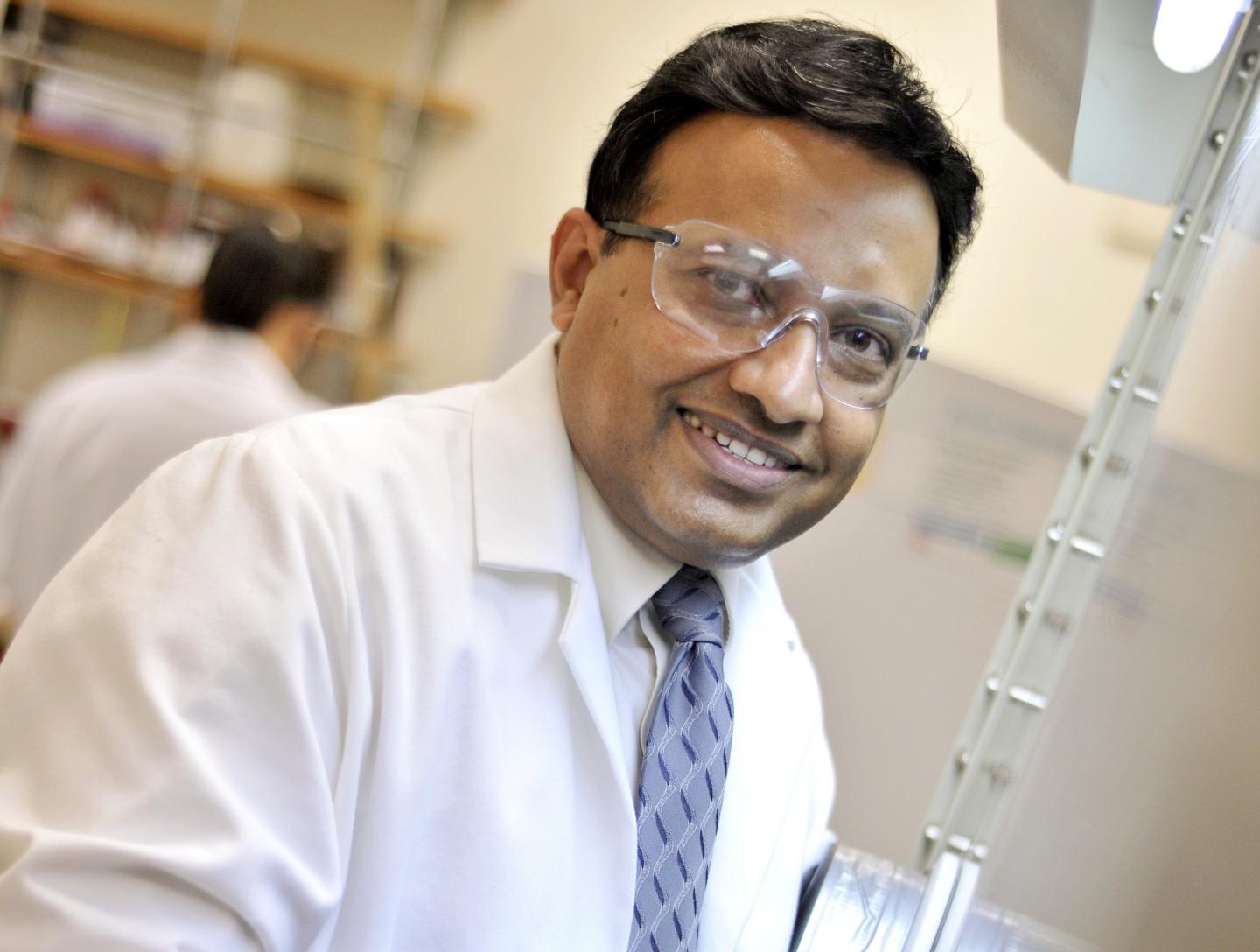
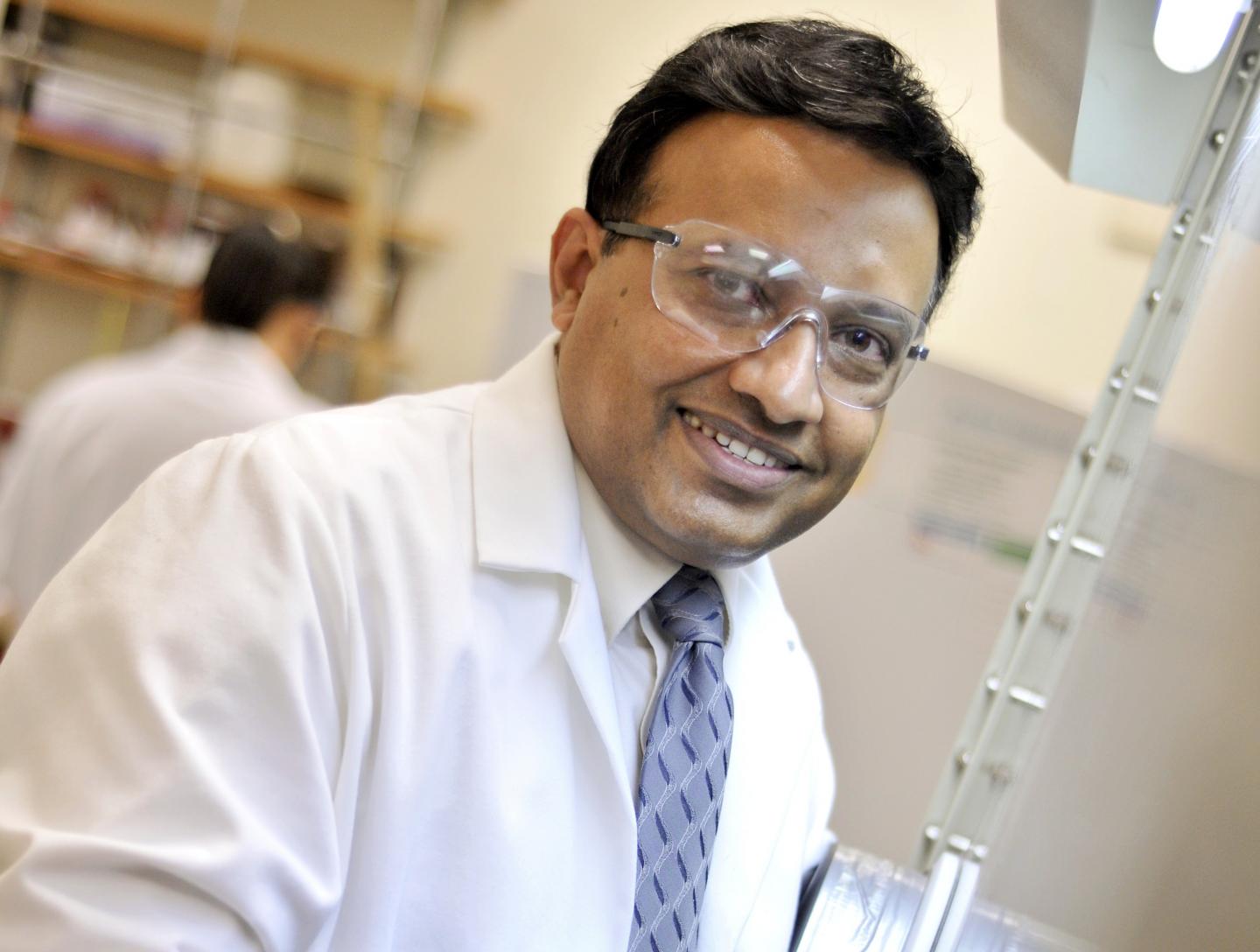
IMAGE

Credit: UTA

Researchers at The University of Texas at Arlington have filed a provisional patent application on a new copper compound that can be used to purify ethylene for use as a raw material in the production of plastics such as polyethylene or PVC, as well as other industrial compounds.

Ethylene is produced from crude oil but is usually obtained as a mixture containing ethane. Manufacturing processes using ethylene usually require pure, or 99.9 percent, ethylene feed-stock.

"Existing technologies to separate ethylene and ethane use enormous amounts of energy and require high levels of capital investment," said Rasika Dias, UTA distinguished university professor of chemistry and biochemistry.

"Our new technology uses a copper compound that can selectively absorb ethylene in the solid state, leaving ethane out, with the minimum amount of energy release," he added.

Ethylene absorption by the newly discovered copper complex is easily reversible, so the absorbed ethylene can then be released and recovered using mild temperature or pressure changes, resulting in the regeneration of the starting copper complex, which can be reused multiple times.

"As a result, our new technology is both highly sustainable and very energy-efficient, and could represent a real breakthrough in the separation of olefins like ethylene and propylene from paraffins, which currently accounts for 0.3 percent of global energy use, roughly equivalent to Singapore's annual energy consumption," Dias said.

The researchers have reported their new technology in the international journal Angewandte Chemie, in the article "Low net heat of adsorption of ethylene achieved by major solid-state structural rearrangement of a discrete copper complex." The paper describes how the release of a very low level of heat during the absorption process is the result of the accompanying structural rearrangement of the copper complex upon exposure to ethylene.

Fred MacDonnell, UTA chair of chemistry and biochemistry, congratulated Dias on the development of this new technology.

"Dr. Dias and his colleagues have taken on the challenge of improving one of the most relevant chemical separations, and one needed for multiple industrial processes and the production of products used throughout our daily lives," MacDonnell said. "This could have very important implications for the costs associated with producing these goods, and also radically improve the environmental impact by reducing the heat emitted to the atmosphere."

###

Media Contact

Louisa Kellie
[email protected]
817-524-8926
@utarlington

http://www.uta.edu

Original Source

https://www.uta.edu/news/releases/2018/11/Rasika%20Dias%20patent%20application.php http://dx.doi.org/10.1002/ange.201810460

Share12Tweet8Share2ShareShareShare2

Related Posts

Florida Cane Toad: Complex Spread and Selective Evolution

Florida Cane Toad: Complex Spread and Selective Evolution

February 7, 2026
New Study Uncovers Mechanism Behind Burn Pit Particulate Matter–Induced Lung Inflammation

New Study Uncovers Mechanism Behind Burn Pit Particulate Matter–Induced Lung Inflammation

February 6, 2026

DeepBlastoid: Advancing Automated and Efficient Evaluation of Human Blastoids with Deep Learning

February 6, 2026

Navigating the Gut: The Role of Formic Acid in the Microbiome

February 6, 2026
Please login to join discussion

POPULAR NEWS

  • Robotic Ureteral Reconstruction: A Novel Approach

    Robotic Ureteral Reconstruction: A Novel Approach

    82 shares
    Share 33 Tweet 21
  • Digital Privacy: Health Data Control in Incarceration

    63 shares
    Share 25 Tweet 16
  • Study Reveals Lipid Accumulation in ME/CFS Cells

    57 shares
    Share 23 Tweet 14
  • Breakthrough in RNA Research Accelerates Medical Innovations Timeline

    53 shares
    Share 21 Tweet 13

About

We bring you the latest biotechnology news from best research centers and universities around the world. Check our website.

Follow us

Recent News

Boosting Remote Healthcare: Stepped-Wedge Trial Insights

Barriers and Boosters of Seniors’ Physical Activity in Karachi

Evaluating Pediatric Emergency Care Quality in Ethiopia

Subscribe to Blog via Email

Enter your email address to subscribe to this blog and receive notifications of new posts by email.

Join 73 other subscribers
  • Contact Us

Bioengineer.org © Copyright 2023 All Rights Reserved.

Welcome Back!

Login to your account below

Forgotten Password?

Retrieve your password

Please enter your username or email address to reset your password.

Log In
No Result
View All Result
  • Homepages
    • Home Page 1
    • Home Page 2
  • News
  • National
  • Business
  • Health
  • Lifestyle
  • Science

Bioengineer.org © Copyright 2023 All Rights Reserved.