Credit: St. Michael's Hospital
TORONTO, November 12, 2018 – Phone calls are more effective reminders for patients to book cancer screening appointments than mailed letters but are also more costly, suggests a new study from St. Michael's Hospital.
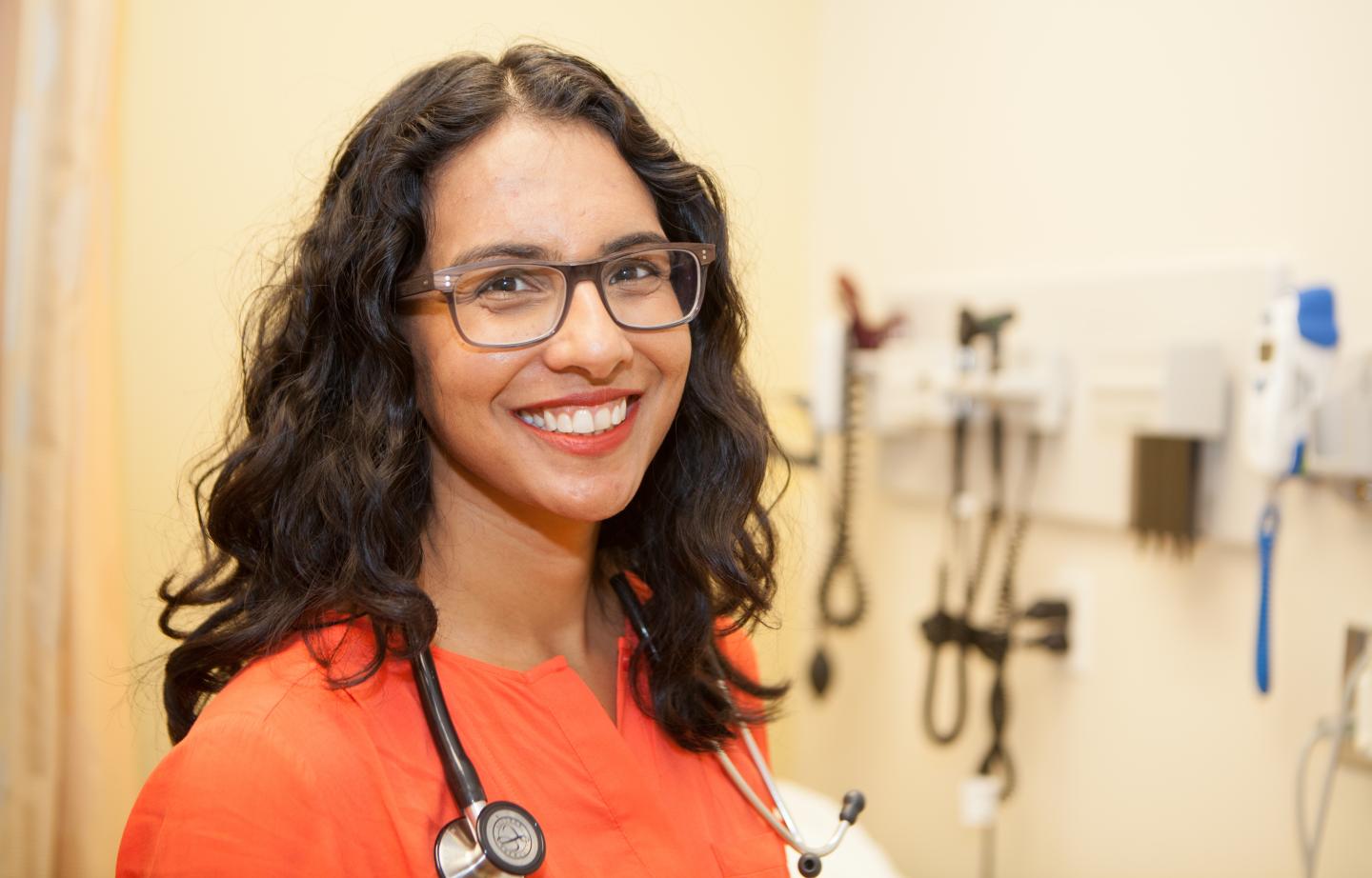
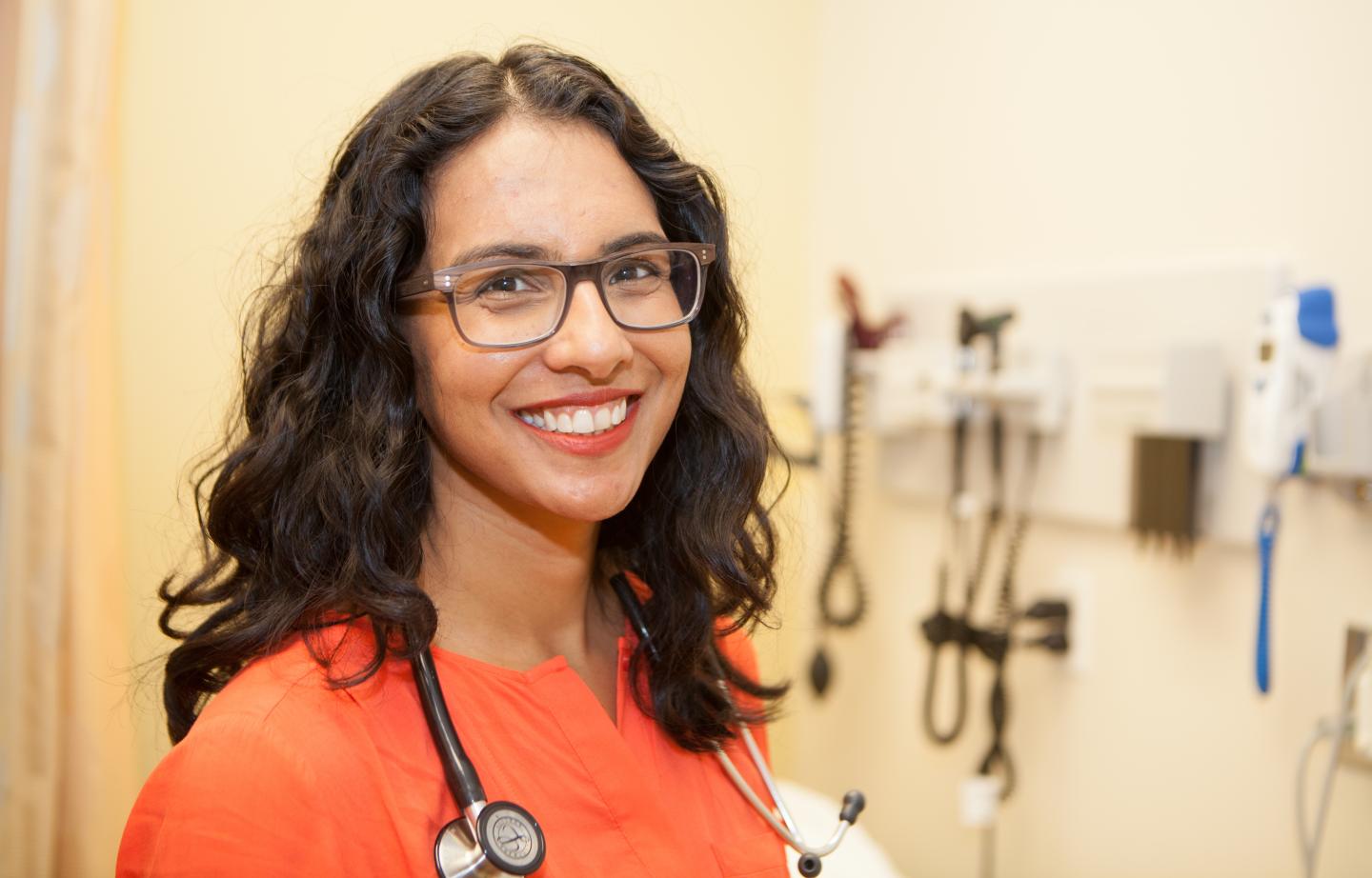
"Previous evidence has shown us that patient outreach improves cancer screening rates," said Dr. Tara Kiran, scientist at the Li Ka Shing Knowledge Institute and physician in the St. Michael's Hospital Academic Family Health Team. "But it was unclear which methods were most effective in primary care."
Dr. Kiran and her team studied the cancer screening rates of 5,270 patients who received either a phone call or a letter reminding them that they were overdue for cancer testing The team aimed to find out which method was more effective, and given the Family Health Team's resources, which would be most efficient. Published today in Journal of the American Board of Family Medicine, this work builds on Dr. Kiran's previous research into cancer screening inequalities.
Patients who were overdue for screening were selected based on Ontario's guidelines: women aged 21 and older who had not received a Pap test in three years were overdue for cervical cancer screening, women who had not received a mammogram in the last two years and were older than 50 were overdue for breast cancer screening, and adults over the age of 50 who had not had a Fecal Occult Blood Test in the last two years or a colonoscopy in the last 10 years were overdue for colorectal cancer screening.
Overall, phone calls proved to be more effective for encouraging cancer screening. Compared to the letter group, women who received a phone call were 25 per cent more likely to receive screening, with 41 per cent of women who were phoned receiving a screening, versus 33 per cent of those who received a letter. Among men, 29 per cent of those who received a phone call received screening, compared to 25 per cent of those who received a letter. The income level in the neighbourhood patients lived in did not change how effective phone calls were relative to letters.
"Though phone calls were decidedly most effective among women and men, our path forward was not clear-cut," Dr. Kiran said. "The phone calls were twice as expensive because of the time it took staff to reach out to patients."
To continue to improve the quality of care provided by the Family Health Team at St. Michael's and maximize resources, Dr. Kiran and her team have decided to apply the results of this study through an equity approach to cancer screening. The team will continue to call people in lower income neighbourhoods in the city, as that's where the greatest need for proactive screening exists. These areas have the lowest cancer screening rates. Other patients will receive letters from the Family Health Team as reminders.
"Based on previous research, we know that large gaps exist in cancer screening rates between poorer immigrants and wealthier long-term residents, so we are going to continue to bridge this gap by providing phone call reminders to neighbourhoods with lower incomes in Toronto," Dr. Kiran said.
"We are leading the way when it comes to measuring and improving the quality of the primary care we provide. This new study sheds further light on how we can continue to do that."
###
About St. Michael's Hospital
St. Michael's Hospital provides compassionate care to all who enter its doors. The hospital also provides outstanding medical education to future health care professionals in more than 29 academic disciplines. Critical care and trauma, heart disease, neurosurgery, diabetes, cancer care, care of the homeless and global health are among the Hospital's recognized areas of expertise. Through the Keenan Research Centre and the Li Ka Shing International Healthcare Education Centre, which make up the Li Ka Shing Knowledge Institute, research and education at St. Michael's Hospital are recognized and make an impact around the world. Founded in 1892, the hospital is fully affiliated with the University of Toronto.
St. Michael's Hospital with Providence Healthcare and St. Joseph's Health Centre now operate under one corporate entity as of August 1, 2017. United, the three organizations serve patients, residents and clients across the full spectrum of care, spanning primary care, secondary community care, tertiary and quaternary care services to post-acute through rehabilitation, palliative care and long-term care, while investing in world-class research and education.
Media contact
Ana Gajic
Senior Communications Advisor, Research
St. Michael's Hospital
Phone: 416-864-5960 or 416 458 0629
[email protected]">[email protected]
Media Contact
Ana Gajic
[email protected]
416-864-5960
@StMikesHospital
http://www.stmichaelshospital.com/
Related Journal Article
http://dx.doi.org/10.3122/jabfm.2018.06.170369