• HOME
  • NEWS
  • EXPLORE
    • CAREER
      • Companies
      • Jobs
    • EVENTS
    • iGEM
      • News
      • Team
    • PHOTOS
    • VIDEO
    • WIKI
  • BLOG
  • COMMUNITY
    • FACEBOOK
    • INSTAGRAM
    • TWITTER
Monday, October 5, 2026
BIOENGINEER.ORG
No Result
View All Result
  • Login
  • HOME
  • NEWS
  • EXPLORE
    • CAREER
      • Companies
      • Jobs
        • Lecturer
        • PhD Studentship
        • Postdoc
        • Research Assistant
    • EVENTS
    • iGEM
      • News
      • Team
    • PHOTOS
    • VIDEO
    • WIKI
  • BLOG
  • COMMUNITY
    • FACEBOOK
    • INSTAGRAM
    • TWITTER
No Result
View All Result
Bioengineer.org
No Result
View All Result
Home NEWS Science News

Batteryless smart devices closer to reality

Bioengineer by Bioengineer
November 7, 2018
in Science News
Reading Time: 2 mins read
0
Share on FacebookShare on TwitterShare on LinkedinShare on RedditShare on Telegram
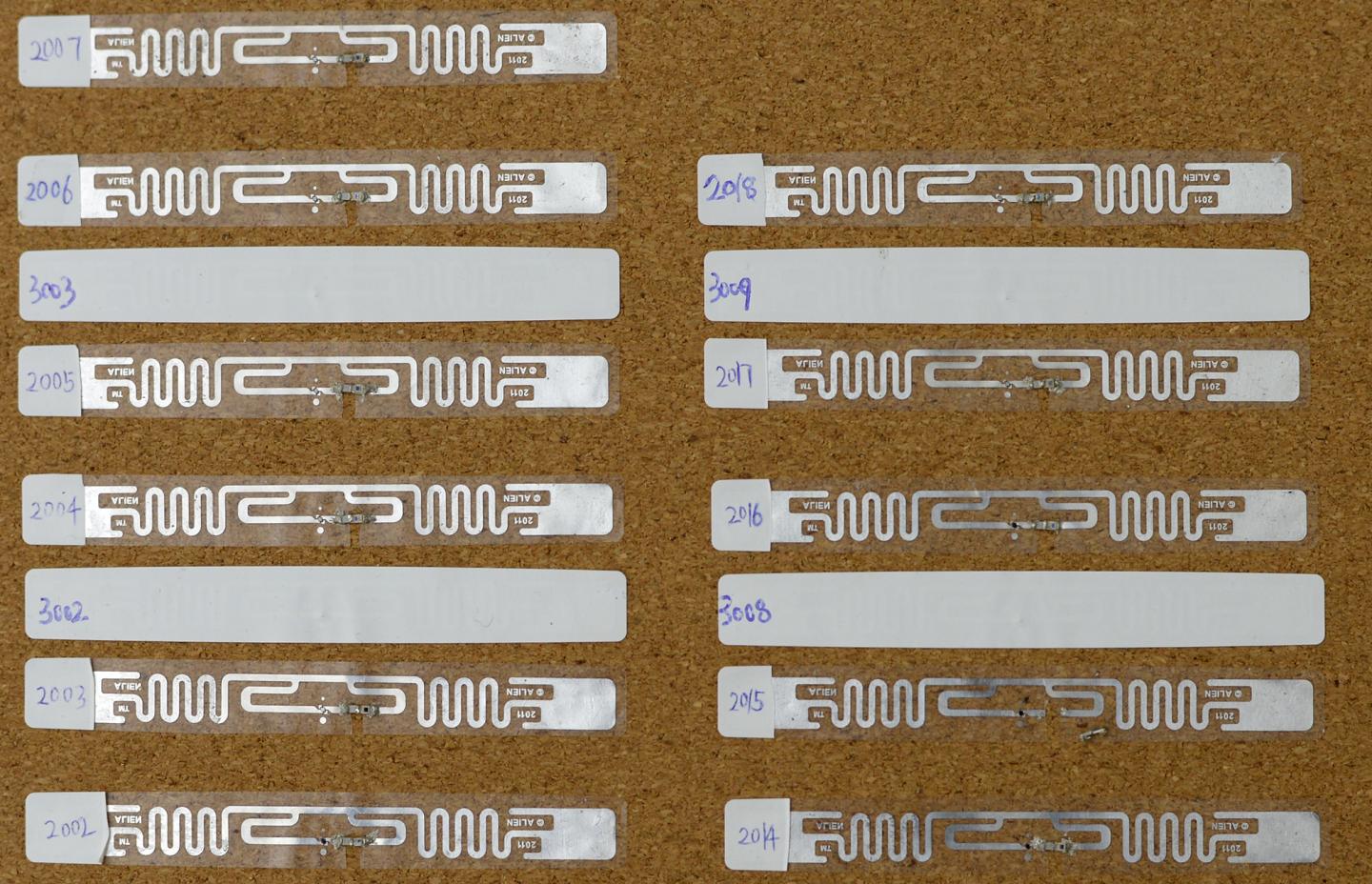
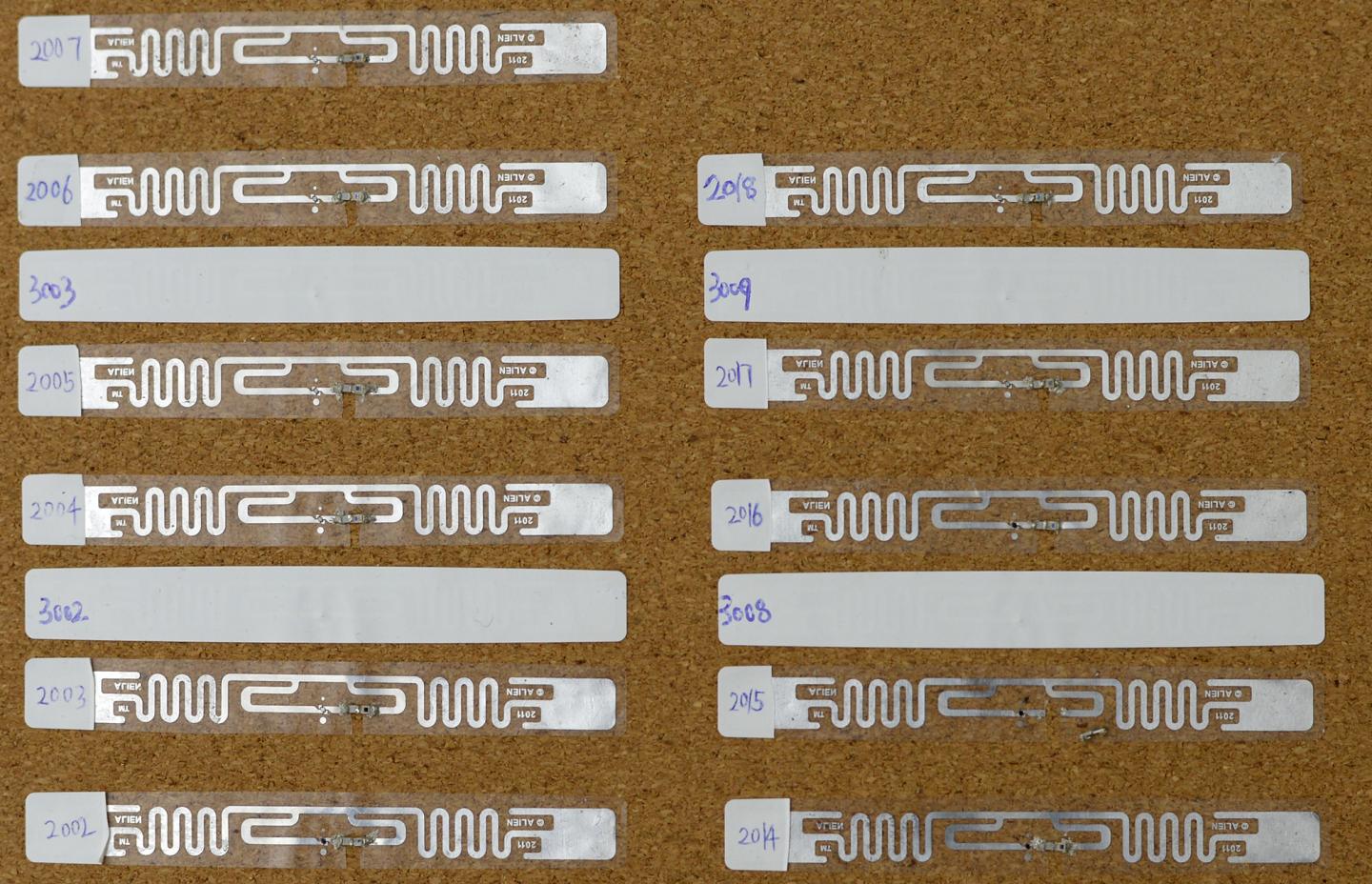
IMAGE

Credit: University of Waterloo

Researchers at the University of Waterloo have taken a huge step towards making smart devices that do not use batteries or require charging.

These battery-free objects, which feature an IP address for internet connectivity, are known as Internet of Things (IoT) devices. If an IoT device can operate without a battery it lowers maintenance costs and allows the device to be placed in areas that are off the grid.

Many of these IoT devices have sensors in them to detect their environment, from a room's ambient temperature and light levels to sound and motion, but one of the biggest challenges is making these devices sustainable and battery-free.

Professor Omid Abari, Postdoctoral Fellow Ju Wang and Professor Srinivasan Keshav from Waterloo's Cheriton School of Computer Science have found a way to hack radio frequency identification (RFID) tags, the ubiquitous squiggly ribbons of metal with a tiny chip found in various objects, and give the devices the ability to sense the environment.

"It's really easy to do," said Wang. "First, you remove the plastic cover from the RFID tag, then cut out a small section of the tag's antenna with scissors, then attach a sensor across the cut bits of the antenna to complete the circuit."

In their stock form, RFID tags provide only identification and location. It's the hack the research team has done — cutting the tag's antenna and placing a sensing device across it — that gives the tag the ability to sense its environment.

To give a tag eyes, the researchers hacked an RFID tag with a phototransistor, a tiny sensor that responds to different levels of light.

By exposing the phototransistor to light, it changed the characteristics of the RFID's antenna, which in turn caused a change in the signal going to the reader. They then developed an algorithm on the reader side that monitors change in the tag's signal, which is how it senses light levels.

Among the simplest of hacks is adding a switch to an RFID tag so it can act as a keypad that responds to touch.

"We see this as a good example of a complete software-hardware system for IoT devices," Abari said. "We hacked simple hardware — we cut RFID tags and placed a sensor on them. Then we designed new algorithms and combined the software and hardware to enable new applications and capabilities.

"Our main contribution is showing how simple it is to hack an RFID tag to create an IoT device. It's so easy a novice could do it."

The research paper by Wang, Abari and Keshav titled, Challenge: RFID Hacking for Fun and Profit-ACM MobiCom, appeared in the Proceedings of the 24th Annual International Conference on Mobile Computing and Networking, October 29-November 2, 2018, New Delhi, India, 461- 70.

###

Media Contact

Ryon Jones
[email protected]
@uWaterlooNews

http://www.uwaterloo.ca/

Share12Tweet8Share2ShareShareShare2

Related Posts

Wavelets Meet Attention: New AI Spots Tiny Changes in Satellite Images With Unusual Precision

Wavelets Meet Attention: New AI Spots Tiny Changes in Satellite Images With Unusual Precision

October 5, 2026
Failing Cellular Recycling Lets Zombie Cells Pile Up as We Age, Study Finds

Failing Cellular Recycling Lets Zombie Cells Pile Up as We Age, Study Finds

October 5, 2026

Soft Flexible Framework Material Could Improve Solid-State Battery Design

October 5, 2026

City Life Shields Bats From Weather Swings, Landmark Acoustic Survey Reveals

October 5, 2026
Please login to join discussion

POPULAR NEWS

  • Alloys That Shrink Their Own Grains: New PIX Mechanism Refines Metals With Heat Alone

    Alloys That Shrink Their Own Grains: New PIX Mechanism Refines Metals With Heat Alone

    29 shares
    Share 12 Tweet 7
  • Endurance Exercise Reshapes the Liver in Males and Females Through Distinct Molecular Routes

    29 shares
    Share 12 Tweet 7
  • Single Transcription Factor PU.1 Rapidly Converts Fibroblasts into Macrophage-Lineage Cells

    29 shares
    Share 12 Tweet 7
  • New Scale Measures How Ready Nurse Educators Really Are for the AI Era

    29 shares
    Share 12 Tweet 7

About

We bring you the latest biotechnology news from best research centers and universities around the world. Check our website.

Follow us

Recent News

Alloys That Shrink Their Own Grains: New PIX Mechanism Refines Metals With Heat Alone

Endurance Exercise Reshapes the Liver in Males and Females Through Distinct Molecular Routes

Single Transcription Factor PU.1 Rapidly Converts Fibroblasts into Macrophage-Lineage Cells

Subscribe to Blog via Email

Success! An email was just sent to confirm your subscription. Please find the email now and click 'Confirm' to start subscribing.

Join 85 other subscribers
  • Contact Us

Bioengineer.org © Copyright 2023 All Rights Reserved.

Welcome Back!

Login to your account below

Forgotten Password?

Retrieve your password

Please enter your username or email address to reset your password.

Log In
No Result
View All Result
  • Homepages
    • Home Page 1
    • Home Page 2
  • News
  • National
  • Business
  • Health
  • Lifestyle
  • Science

Bioengineer.org © Copyright 2023 All Rights Reserved.