• HOME
  • NEWS
  • EXPLORE
    • CAREER
      • Companies
      • Jobs
    • EVENTS
    • iGEM
      • News
      • Team
    • PHOTOS
    • VIDEO
    • WIKI
  • BLOG
  • COMMUNITY
    • FACEBOOK
    • INSTAGRAM
    • TWITTER
Saturday, April 18, 2026
BIOENGINEER.ORG
No Result
View All Result
  • Login
  • HOME
  • NEWS
  • EXPLORE
    • CAREER
      • Companies
      • Jobs
        • Lecturer
        • PhD Studentship
        • Postdoc
        • Research Assistant
    • EVENTS
    • iGEM
      • News
      • Team
    • PHOTOS
    • VIDEO
    • WIKI
  • BLOG
  • COMMUNITY
    • FACEBOOK
    • INSTAGRAM
    • TWITTER
  • HOME
  • NEWS
  • EXPLORE
    • CAREER
      • Companies
      • Jobs
        • Lecturer
        • PhD Studentship
        • Postdoc
        • Research Assistant
    • EVENTS
    • iGEM
      • News
      • Team
    • PHOTOS
    • VIDEO
    • WIKI
  • BLOG
  • COMMUNITY
    • FACEBOOK
    • INSTAGRAM
    • TWITTER
No Result
View All Result
Bioengineer.org
No Result
View All Result
Home NEWS Science News Biology

Beyond 1984: narrow focus on wildfire trends underestimates future risks to water security

Bioengineer by Bioengineer
October 29, 2018
in Biology
Reading Time: 2 mins read
0
Share on FacebookShare on TwitterShare on LinkedinShare on RedditShare on Telegram
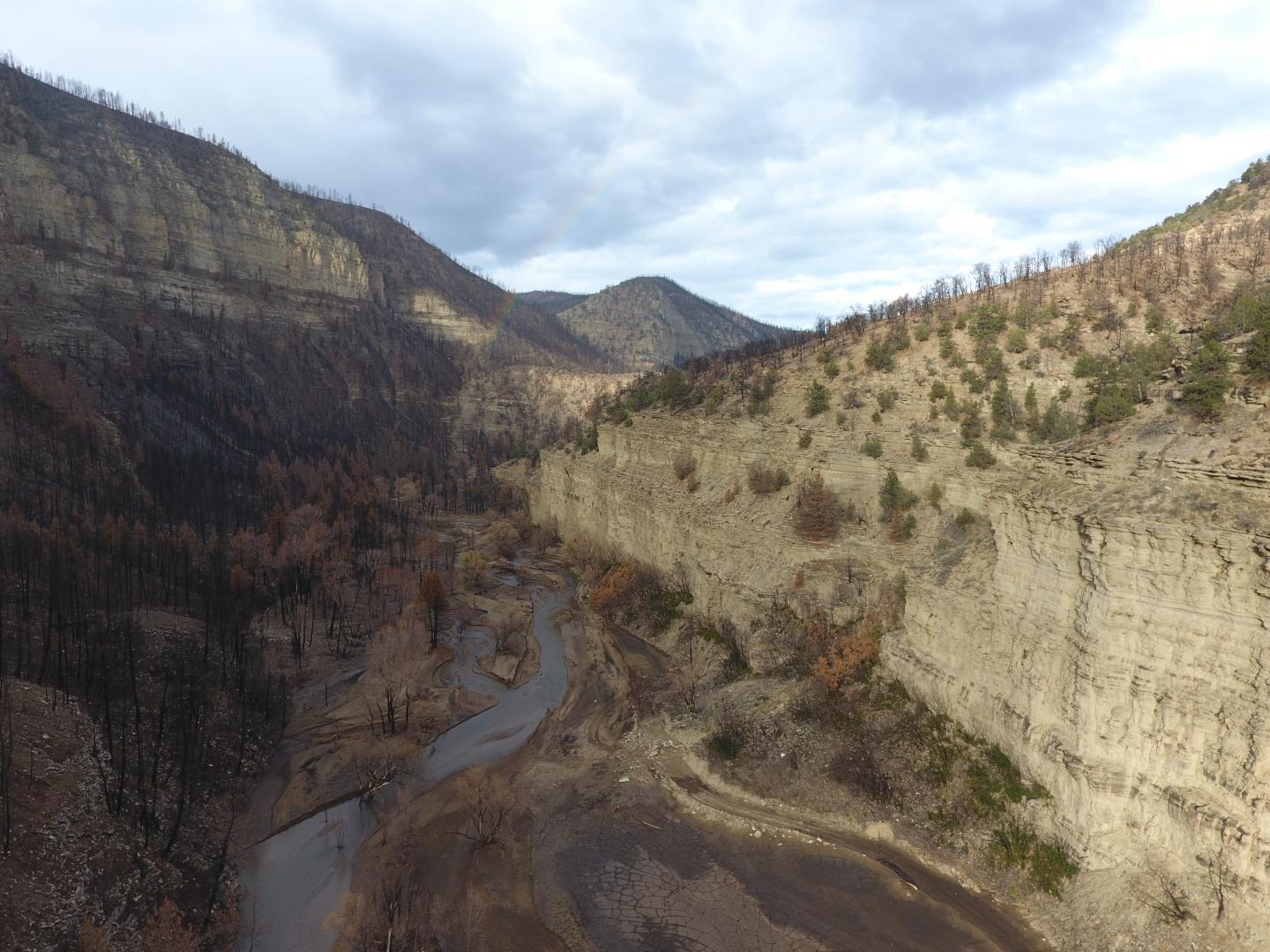
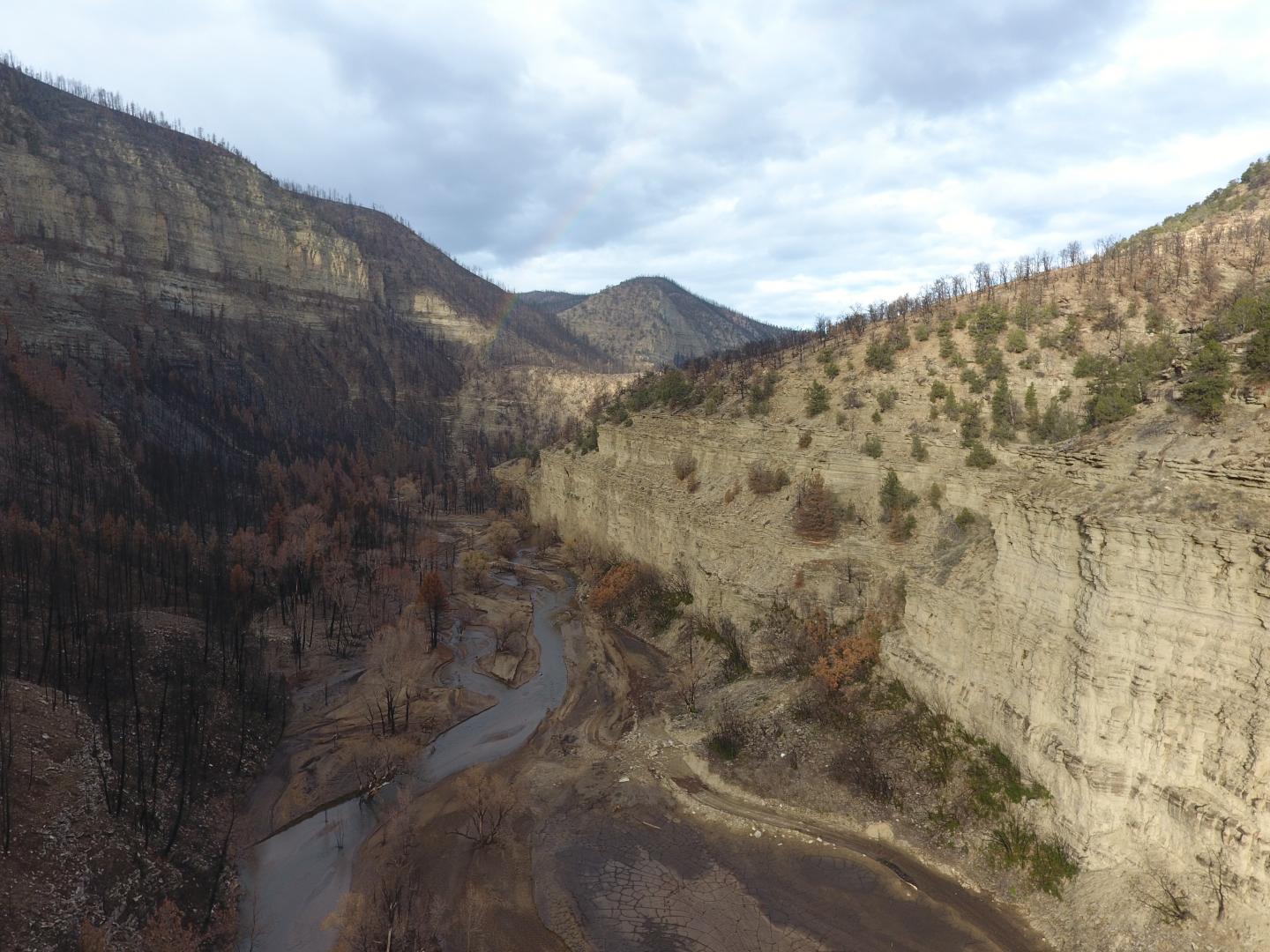
IMAGE

Credit: Chris Brown/Utah State University

Dramatic increases in wildfire over the last few decades have garnered considerable media attention. Numerous headlines have claimed that the amount of wildfire in the western U.S. is unprecedented. However, in a recent issue of Earth's Future, published by the American Geophysical Union, Brendan Murphy, Larissa Yocom, and Patrick Belmont at the S.J. and Jessie E. Quinney College of Natural Resources at Utah State University compiled long-term fire datasets that demonstrate the amount of wildfire occurring in the western U.S. remains far below the acreage burning prior to pre-European settlement. Specifically, these records show that historically 4 to 12 percent of the entire western U.S. would burn each year. Why does that matter? The authors argue that we need to view wildfire as an inevitable part of the future in the western U.S. Drying of western forests due to climate change coupled with the buildup of excess vegetation after decades of fire suppression have led to exceedingly low amounts of fire. This perspective will shift our assessment of fire liabilities and prevention and mitigation plans. While the authors acknowledge the well-documented risk that wildfires pose to homes and structures, particularly those built in the wildland-urban interface, they highlight the less appreciated and underestimated risk that uncontrollable, high severity wildfires pose for water security. Further, they suggest that focusing on the amount of area burned is not enough to understand these complex issues. "The annual amount of area burning can be informative for demonstrating that wildfires are on the rise with climate change, but alone, this metric is insufficient. If we hope to better predict the future risks wildfires pose to water resources and more effectively manage our ecosystems, then it is critical we give other wildfire attributes, specifically burn severity, more consideration." said Brendan Murphy, lead author and postdoctoral fellow in Watershed Science at USU.

Low severity wildfire benefits forest health and poses less risk to water infrastructure, so the authors argue we need to have more areas burning to reduce the frequency of catastrophic wildfires. This approach will require reducing restrictions on prescribed burns and 'managed' wildfires. Other forests naturally burn at high severity, and the authors argue that the best approach in these areas is to limit or eliminate development. The authors believe we need to adopt more widespread and effective management strategies for our forest and water resources. The critical first step will be realigning public perspectives about the past and future of wildfire.

###

The paper's abstract is available online, in addition to a link to the complete paper, at tinyurl.com/EarthsFuture-wildfire.

Media Contact

Brendan Murphy
[email protected]

https://qcnr.usu.edu/

Related Journal Article

http://dx.doi.org/10.1029/2018EF001006

Share12Tweet8Share2ShareShareShare2

Related Posts

On-Demand Growth of Liver Tissue Directly Within the Body

On-Demand Growth of Liver Tissue Directly Within the Body

April 17, 2026
Conserved DNA Architect Links Chloroplasts to Cell Cycle

Conserved DNA Architect Links Chloroplasts to Cell Cycle

April 17, 2026

UTS Study Reveals Toxic Metal Exposure from E-Cigarette Devices

April 17, 2026

Can Exercise Help You Beat Stress Hormones? New Insights from a Clinical Trial

April 17, 2026
Please login to join discussion

POPULAR NEWS

  • Scientists Investigate Possible Connection Between COVID-19 and Increased Lung Cancer Risk

    62 shares
    Share 25 Tweet 16
  • NSF funds machine-learning research at UNO and UNL to study energy requirements of walking in older adults

    100 shares
    Share 40 Tweet 25
  • Boosting Breast Cancer Risk Prediction with Genetics

    47 shares
    Share 19 Tweet 12
  • Popular Anti-Aging Compound Linked to Damage in Corpus Callosum, Study Finds

    46 shares
    Share 18 Tweet 12

About

BIOENGINEER.ORG

We bring you the latest biotechnology news from best research centers and universities around the world. Check our website.

Follow us

Recent News

Infectious Foci: Hidden Trigger in IgA Vasculitis

Pfizer Vaccine Safe, Effective in Juvenile Inflammatory Disease

Healthcare and Family Views on Dementia Meds Deprescribing

Subscribe to Blog via Email

Enter your email address to subscribe to this blog and receive notifications of new posts by email.

Join 79 other subscribers
  • Contact Us

Bioengineer.org © Copyright 2023 All Rights Reserved.

Welcome Back!

Login to your account below

Forgotten Password?

Retrieve your password

Please enter your username or email address to reset your password.

Log In
No Result
View All Result
  • Homepages
    • Home Page 1
    • Home Page 2
  • News
  • National
  • Business
  • Health
  • Lifestyle
  • Science

Bioengineer.org © Copyright 2023 All Rights Reserved.