• HOME
  • NEWS
  • EXPLORE
    • CAREER
      • Companies
      • Jobs
    • EVENTS
    • iGEM
      • News
      • Team
    • PHOTOS
    • VIDEO
    • WIKI
  • BLOG
  • COMMUNITY
    • FACEBOOK
    • INSTAGRAM
    • TWITTER
Saturday, February 7, 2026
BIOENGINEER.ORG
No Result
View All Result
  • Login
  • HOME
  • NEWS
  • EXPLORE
    • CAREER
      • Companies
      • Jobs
        • Lecturer
        • PhD Studentship
        • Postdoc
        • Research Assistant
    • EVENTS
    • iGEM
      • News
      • Team
    • PHOTOS
    • VIDEO
    • WIKI
  • BLOG
  • COMMUNITY
    • FACEBOOK
    • INSTAGRAM
    • TWITTER
  • HOME
  • NEWS
  • EXPLORE
    • CAREER
      • Companies
      • Jobs
        • Lecturer
        • PhD Studentship
        • Postdoc
        • Research Assistant
    • EVENTS
    • iGEM
      • News
      • Team
    • PHOTOS
    • VIDEO
    • WIKI
  • BLOG
  • COMMUNITY
    • FACEBOOK
    • INSTAGRAM
    • TWITTER
No Result
View All Result
Bioengineer.org
No Result
View All Result
Home NEWS Science News Cancer

Cancer-associated mutations are common in normal human esophagus

Bioengineer by Bioengineer
October 18, 2018
in Cancer
Reading Time: 2 mins read
0
Share on FacebookShare on TwitterShare on LinkedinShare on RedditShare on Telegram

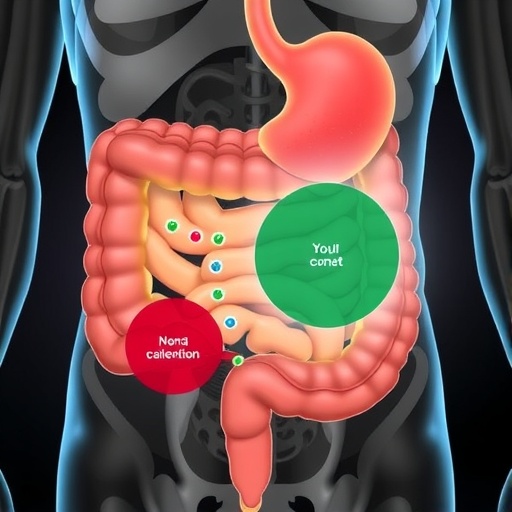
Unexpectedly, a new study finds that cancer-associated genetic mutations are surprisingly common in aged, healthy esophageal epithelium tissue. The results further our understanding of cancer and aging and underscore how little is known about the mutational evolution within normal tissues, a process likely ubiquitous in the tissues of all living things. As people get older, they accumulate mutations in the healthy cells of normal tissues. Generally, these mutations accumulate passively and do not alter cell behavior. However, if a genetic alteration provides a mutant cell with a competitive edge, these cells become persistent mutant clones, which are thought to be the origin of cancer. Human skin, exposed to the powerful mutagenic power of the sun's light, is the most highly mutated normal tissue – nearly 25% of cells in the sun-exposed skin of middle-aged individuals carry cancer driver mutations. Despite its importance, the extent to which cells accumulate somatic mutations throughout life is poorly understood, particularly in tissues not exposed to mutagens like ultraviolet light. To explore the mutational burden of other tissues, IƱigo Martincorena and colleagues performed targeted gene sequencing of normal esophageal epithelium – a tissue-like skin, which lines the esophagus – from nine human donors ranging from 20 to 75 years of age. While the mutation rate was lower in the esophageal tissue than in skin, Martincorena et al. revealed a strong positive selection of cellular clones carrying mutations in 14 cancer-associated genes. According to the results, by middle age, over half of the esophageal epithelium tissue contained mutant clones. What's more, Martincorena et al. observed a high frequency of mutations in the cancer driver gene NOTCH1 in aged normal esophageal epithelium. These mutations were more common in normal cells than in esophageal cancer cells, suggesting that esophageal cancers are more likely to evolve from cells in epithelium without NOTCH1 mutations.

###

Media Contact

Science Press Package Team
[email protected]
202-326-6440
@AAAS

http://www.aaas.org

http://dx.doi.org/10.1126/science.aau3879
Share12Tweet7Share2ShareShareShare1

Related Posts

Deep Learning Uncovers Tetrahydrocarbazoles as Potent Broad-Spectrum Antitumor Agents with Click-Activated Targeted Cancer Therapy Approach

February 7, 2026

Newly Discovered Limonoid DHL-11 from Munronia henryi Targets IMPDH2 to Combat Triple-Negative Breast Cancer

February 7, 2026

New Discovery Reveals Why Ovarian Cancer Spreads Rapidly in the Abdomen

February 6, 2026

New Study Finds Americans Favor In-Clinic Screening Over At-Home Tests for Cervical Cancer

February 6, 2026
Please login to join discussion

POPULAR NEWS

  • Robotic Ureteral Reconstruction: A Novel Approach

    Robotic Ureteral Reconstruction: A Novel Approach

    82 shares
    Share 33 Tweet 21
  • Digital Privacy: Health Data Control in Incarceration

    63 shares
    Share 25 Tweet 16
  • Study Reveals Lipid Accumulation in ME/CFS Cells

    57 shares
    Share 23 Tweet 14
  • Breakthrough in RNA Research Accelerates Medical Innovations Timeline

    53 shares
    Share 21 Tweet 13

About

We bring you the latest biotechnology news from best research centers and universities around the world. Check our website.

Follow us

Recent News

Scientists Identify SARS-CoV-2 PLpro and RIPK1 Inhibitors Showing Potent Synergistic Antiviral Effects in Mouse COVID-19 Model

Neg-Entropy: The Key Therapeutic Target for Chronic Diseases

Multidisciplinary Evidence-Based Guidelines for Therapeutic Drug Monitoring of Biologics in Inflammatory Bowel Disease

Subscribe to Blog via Email

Enter your email address to subscribe to this blog and receive notifications of new posts by email.

Join 73 other subscribers
  • Contact Us

Bioengineer.org Ā© Copyright 2023 All Rights Reserved.

Welcome Back!

Login to your account below

Forgotten Password?

Retrieve your password

Please enter your username or email address to reset your password.

Log In
No Result
View All Result
  • Homepages
    • Home Page 1
    • Home Page 2
  • News
  • National
  • Business
  • Health
  • Lifestyle
  • Science

Bioengineer.org Ā© Copyright 2023 All Rights Reserved.