

• HOME
  • NEWS
  • EXPLORE
    • CAREER
      • Companies
      • Jobs
    • EVENTS
    • iGEM
      • News
      • Team
    • PHOTOS
    • VIDEO
    • WIKI
  • BLOG
  • COMMUNITY
    • FACEBOOK
    • INSTAGRAM
    • TWITTER
Saturday, February 7, 2026
BIOENGINEER.ORG
No Result
View All Result
  • Login
  • HOME
  • NEWS
  • EXPLORE
    • CAREER
      • Companies
      • Jobs
        • Lecturer
        • PhD Studentship
        • Postdoc
        • Research Assistant
    • EVENTS
    • iGEM
      • News
      • Team
    • PHOTOS
    • VIDEO
    • WIKI
  • BLOG
  • COMMUNITY
    • FACEBOOK
    • INSTAGRAM
    • TWITTER
  • HOME
  • NEWS
  • EXPLORE
    • CAREER
      • Companies
      • Jobs
        • Lecturer
        • PhD Studentship
        • Postdoc
        • Research Assistant
    • EVENTS
    • iGEM
      • News
      • Team
    • PHOTOS
    • VIDEO
    • WIKI
  • BLOG
  • COMMUNITY
    • FACEBOOK
    • INSTAGRAM
    • TWITTER
No Result
View All Result
Bioengineer.org
No Result
View All Result
Home NEWS Science News Biology

In the absence of bees, flies are responsible for pollination in the Arctic region

Bioengineer by Bioengineer
October 9, 2018
in Biology
Reading Time: 2 mins read
0
Share on FacebookShare on TwitterShare on LinkedinShare on RedditShare on Telegram
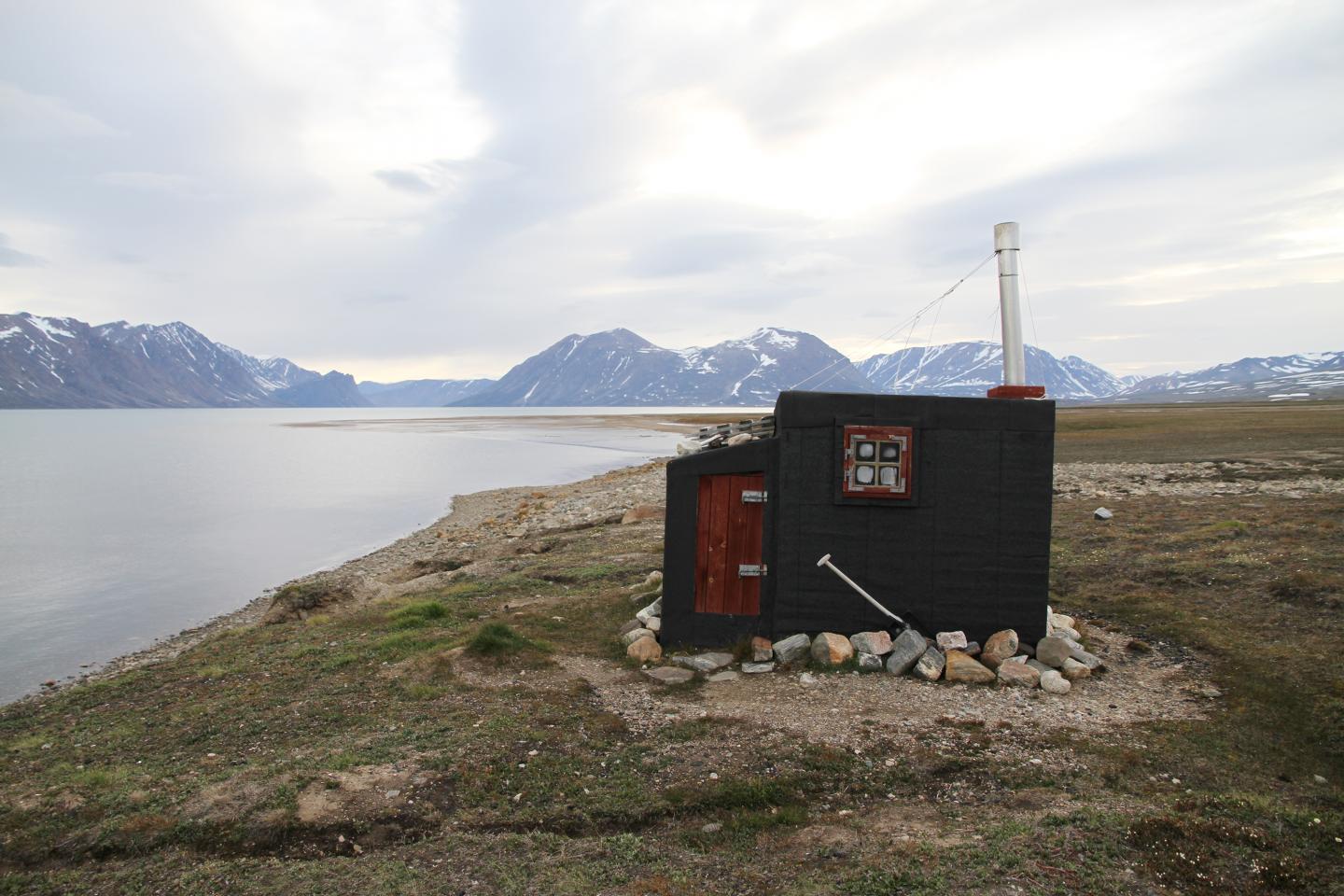
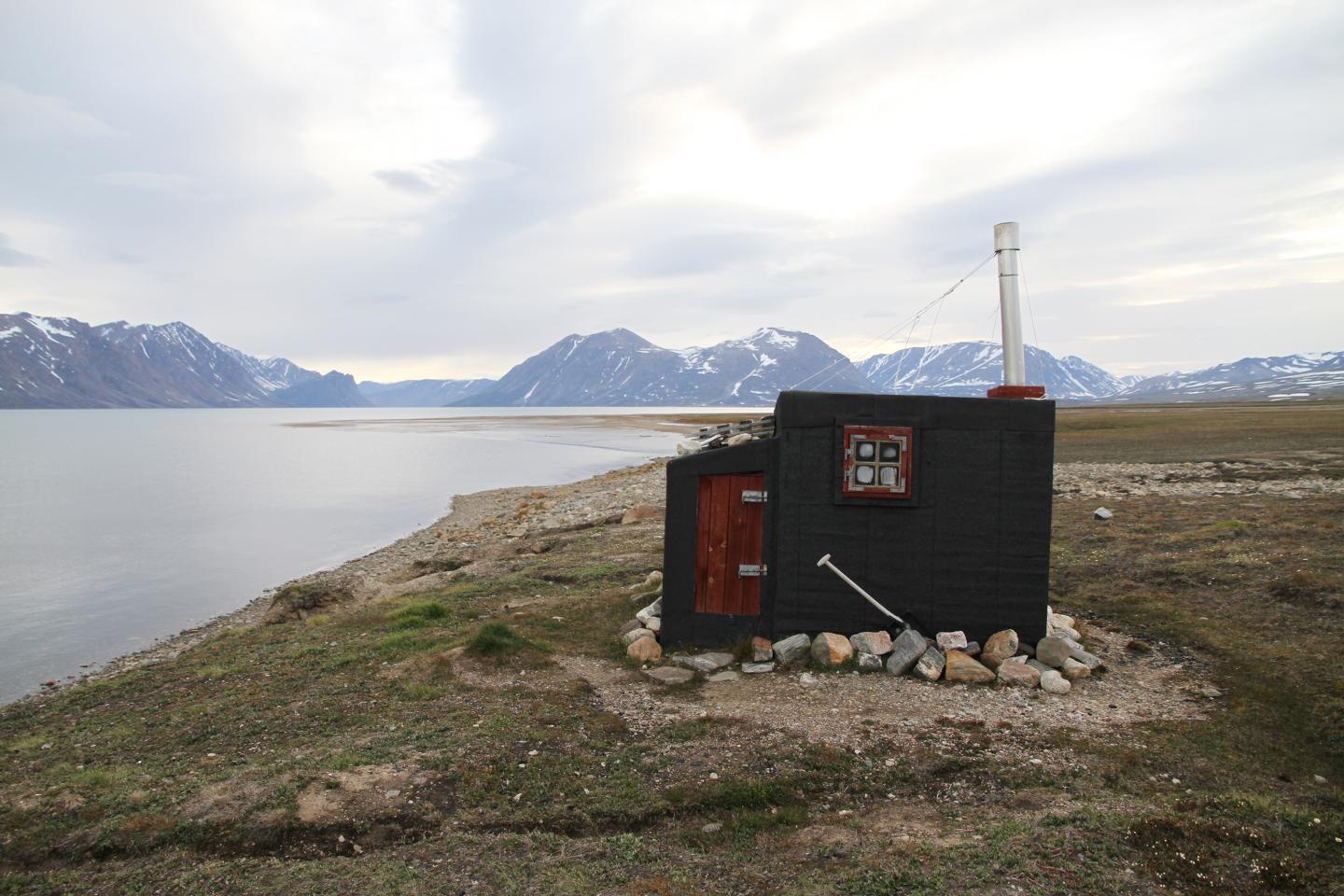
IMAGE

Credit: Mikko Tiusanen

Mikko Tiusanen, MSc, investigated in his doctoral dissertation the structure and functioning of plants and their pollinators in Arctic regions.

"Up north, there are very few apids, such as bees and bumblebees, so other insect groups bear the main responsibility for pollination," explains Tiusanen.

In his study, Tiusanen found that relatives of the ubiquitous housefly had a central role. These members of the Muscidae family are important pollinators, whose abundance impacts the seed production of northern plants.

The mountain avens hoards pollinators

Flowering in the Arctic occurs in the few weeks after the snow has melted. The subsequent profusion of flowers causes intensive competition for the pollination services provided by insects.

The abundant mountain avens with its attractive flowers hoards most of the pollinator visits, which leaves the pollination of rare and less attractive flowers particularly inadequate. At the height of mountain avens' blooming time, even their own seed production suffers from the competition for pollinators within the species itself.

During the flowering peak, pollinators insufficient for everyone

In the doctoral study, Arctic pollinator communities were found to be dominated by a few plant and insect species, resulting in insufficient pollinator numbers at the height of flowering.

"This is probably due to a decrease in pollinators. The number of Muscidae, the most important pollinators, has been in decline for the past twenty years. Additionally, plants and pollinators react differently to the warming climate, shifting their occurrence to different stages of the growing season," Tiusanen explains.

Are pollinator services sufficient elsewhere?

Global changes in habitats result in declining biodiversity, which disrupts ecosystems and their ability to produce ecosystem services. For example, the decline in insect populations, pollinators in particular, may have significant effects on food production and, thus, the entire human race.

"Arctic communities are not the only pollinator communities dominated by a handful of species. Agricultural environments with their crops and western honey bees comprise a structurally similar community," notes Tiusanen.

As climate change and other human-induced environmental changes intensify, insect-pollinated plants and their pollinator communities must adapt to new conditions in both Arctic and southern regions.

###

Further information:

Mikko Tiusanen
University of Helsinki
Faculty of Biological and Environmental Sciences and Faculty of Agriculture and Forestry
Spatial Foodweb Ecology Group
[email protected]

Media Contact

Mikko Tiusanen
[email protected]
@helsinkiuni

http://www.helsinki.fi/university/

Original Source

https://www.helsinki.fi/en/news/life-science-news/in-the-absence-of-bees-flies-are-responsible-for-pollination-in-the-arctic-region

Share12Tweet7Share2ShareShareShare1

Related Posts

New Study Uncovers Mechanism Behind Burn Pit Particulate Matter–Induced Lung Inflammation

New Study Uncovers Mechanism Behind Burn Pit Particulate Matter–Induced Lung Inflammation

February 6, 2026

DeepBlastoid: Advancing Automated and Efficient Evaluation of Human Blastoids with Deep Learning

February 6, 2026

Navigating the Gut: The Role of Formic Acid in the Microbiome

February 6, 2026

AI-Enhanced Optical Coherence Photoacoustic Microscopy Revolutionizes 3D Cancer Model Imaging

February 6, 2026
Please login to join discussion

POPULAR NEWS

  • Robotic Ureteral Reconstruction: A Novel Approach

    Robotic Ureteral Reconstruction: A Novel Approach

    82 shares
    Share 33 Tweet 21
  • Digital Privacy: Health Data Control in Incarceration

    63 shares
    Share 25 Tweet 16
  • Study Reveals Lipid Accumulation in ME/CFS Cells

    57 shares
    Share 23 Tweet 14
  • Breakthrough in RNA Research Accelerates Medical Innovations Timeline

    53 shares
    Share 21 Tweet 13

About

We bring you the latest biotechnology news from best research centers and universities around the world. Check our website.

Follow us

Recent News

Palmitoylation of Tfr1 Drives Platelet Ferroptosis and Exacerbates Liver Damage in Heat Stroke

Oxygen-Enhanced Dual-Section Microneedle Patch Improves Drug Delivery and Boosts Photodynamic and Anti-Inflammatory Treatment for Psoriasis

Scientists Identify SARS-CoV-2 PLpro and RIPK1 Inhibitors Showing Potent Synergistic Antiviral Effects in Mouse COVID-19 Model

Subscribe to Blog via Email

Enter your email address to subscribe to this blog and receive notifications of new posts by email.

Join 73 other subscribers
  • Contact Us

Bioengineer.org © Copyright 2023 All Rights Reserved.

Welcome Back!

Login to your account below

Forgotten Password?

Retrieve your password

Please enter your username or email address to reset your password.

Log In
No Result
View All Result
  • Homepages
    • Home Page 1
    • Home Page 2
  • News
  • National
  • Business
  • Health
  • Lifestyle
  • Science

Bioengineer.org © Copyright 2023 All Rights Reserved.
