



• HOME
  • NEWS
  • EXPLORE
    • CAREER
      • Companies
      • Jobs
    • EVENTS
    • iGEM
      • News
      • Team
    • PHOTOS
    • VIDEO
    • WIKI
  • BLOG
  • COMMUNITY
    • FACEBOOK
    • INSTAGRAM
    • TWITTER
Saturday, February 7, 2026
BIOENGINEER.ORG
No Result
View All Result
  • Login
  • HOME
  • NEWS
  • EXPLORE
    • CAREER
      • Companies
      • Jobs
        • Lecturer
        • PhD Studentship
        • Postdoc
        • Research Assistant
    • EVENTS
    • iGEM
      • News
      • Team
    • PHOTOS
    • VIDEO
    • WIKI
  • BLOG
  • COMMUNITY
    • FACEBOOK
    • INSTAGRAM
    • TWITTER
  • HOME
  • NEWS
  • EXPLORE
    • CAREER
      • Companies
      • Jobs
        • Lecturer
        • PhD Studentship
        • Postdoc
        • Research Assistant
    • EVENTS
    • iGEM
      • News
      • Team
    • PHOTOS
    • VIDEO
    • WIKI
  • BLOG
  • COMMUNITY
    • FACEBOOK
    • INSTAGRAM
    • TWITTER
No Result
View All Result
Bioengineer.org
No Result
View All Result
Home NEWS Science News Biology

Invasive snakes ‘hitchhiking’ on planes

Bioengineer by Bioengineer
September 26, 2018
in Biology
Reading Time: 2 mins read
0
Share on FacebookShare on TwitterShare on LinkedinShare on RedditShare on Telegram
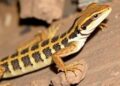
IMAGE

Credit: Professor Bryan Fry

A team of international scientists has discovered why brown tree snakes have become one of the most successful invasive species.

The research team, led by University of Queensland scientists, has been studying why a type of cat-eyed snake has been so effective at devastating native bird populations on the island of Guam.

Associate Professor Bryan Fry from UQ's School of Biological Sciences said the takeover began when the brown tree snake was introduced on the Pacific island during World War II.

"The snake hitchhiked on troop carriers from the Australian region and has since driven multiple native bird species into extinction, with only three species now found on the island," he said.

"The snakes' impact was so devastating, it now ranks among the worst pests of all time."

The team, including UQ PhD students Daniel Dashevsky and Jordan Debono as well as researchers from Florida State University, investigated the species' toxin, which is particularly venomous to birds.

"The brown tree snake's venom, while not dangerous to humans, is 100 times more toxic to birds than to mammals," Dr Fry said.

"It contains a toxin that's made up of two smaller toxins joined together, a feature that was believed to be unique to brown tree snakes.

"Daniel and Jordan's research has revealed that this is not the case and that any cat-eyed snakes belonging to the genus Boiga would have caused similar devastation.

"It's just that this particular species was transported to Guam by accident."

Cat-eyed snakes evolved in Africa and rapidly spread across the Indian subcontinent, throughout South-East Asia and to Australia, with the team finding the snake's toxin type was responsible for its explosive natural spread.

"For the last 80 years or so, for the brown tree snake at least, this biological advantage has been aided by the introduction of air travel," Dr Fry said.

"The United States government is still flying military planes from Guam to Hawaii and the snakes continue to hitchhike.

"They're regularly intercepted in the Hawaii airports, so if these direct flights are allowed to continue, it's only a matter of time until they get to Hawaii and wipe out the birds like they did on Guam.

"Now we know more about the snake's basic biology, we can help in developing a smart approach to preventing and managing this and other invasive species."

###

The study has been published in the Journal of Molecular Evolution (DOI: 10.1007/s00239-018-9864-6).

Media Contact

Bryan Fry
[email protected]
61-400-193-182
@uq_news

http://www.uq.edu.au

Original Source

https://www.uq.edu.au/news/article/2018/09/invasive-snakes-hitchhiking%E2%80%99-planes http://dx.doi.org/10.1007/s00239-018-9864-6

Share12Tweet8Share2ShareShareShare2

Related Posts

Florida Cane Toad: Complex Spread and Selective Evolution

Florida Cane Toad: Complex Spread and Selective Evolution

February 7, 2026
New Study Uncovers Mechanism Behind Burn Pit Particulate Matter–Induced Lung Inflammation

New Study Uncovers Mechanism Behind Burn Pit Particulate Matter–Induced Lung Inflammation

February 6, 2026

DeepBlastoid: Advancing Automated and Efficient Evaluation of Human Blastoids with Deep Learning

February 6, 2026

Navigating the Gut: The Role of Formic Acid in the Microbiome

February 6, 2026
Please login to join discussion

POPULAR NEWS

  • Robotic Ureteral Reconstruction: A Novel Approach

    Robotic Ureteral Reconstruction: A Novel Approach

    82 shares
    Share 33 Tweet 21
  • Digital Privacy: Health Data Control in Incarceration

    63 shares
    Share 25 Tweet 16
  • Study Reveals Lipid Accumulation in ME/CFS Cells

    57 shares
    Share 23 Tweet 14
  • Breakthrough in RNA Research Accelerates Medical Innovations Timeline

    53 shares
    Share 21 Tweet 13

About

We bring you the latest biotechnology news from best research centers and universities around the world. Check our website.

Follow us

Recent News

Phage-Antibiotic Combo Beats Resistant Peritoneal Infection

Boosting Remote Healthcare: Stepped-Wedge Trial Insights

Barriers and Boosters of Seniors’ Physical Activity in Karachi

Subscribe to Blog via Email

Enter your email address to subscribe to this blog and receive notifications of new posts by email.

Join 73 other subscribers
  • Contact Us

Bioengineer.org © Copyright 2023 All Rights Reserved.

Welcome Back!

Login to your account below

Forgotten Password?

Retrieve your password

Please enter your username or email address to reset your password.

Log In
No Result
View All Result
  • Homepages
    • Home Page 1
    • Home Page 2
  • News
  • National
  • Business
  • Health
  • Lifestyle
  • Science

Bioengineer.org © Copyright 2023 All Rights Reserved.
