Credit: Tatu Pantsar
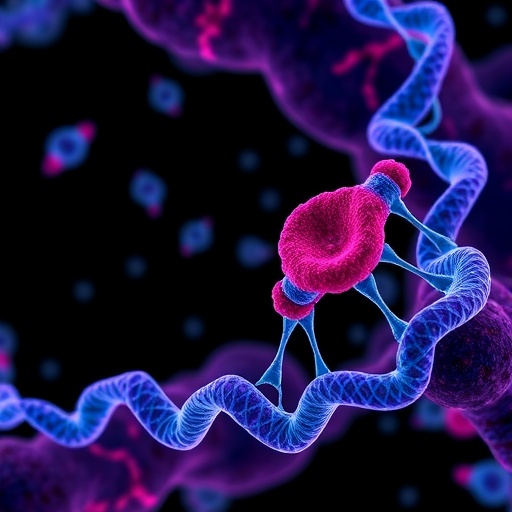
The effects of KRAS mutations underlying many different types of cancer are more diverse than previously thought, according to a new study led by the University of Eastern Finland. Different mutations in the same amino acid of the KRAS protein have so varied effects on protein function that they may require different approaches when it comes to treatment and drug development.
The findings were published in PLOS Computational Biology.
Mutations occurring in the proteins of the human body often constitute a critical factor that predisposes to cancer development. In this sense, one of the most important proteins is KRAS, whose mutations play a role in the development of pancreatic cancer, among others. Point mutation of the glycine 12 amino acid of the KRAS protein can – depending on the mutation – cause glycine to mutate into any of the six possible different amino acids, all of which make the protein overactive. This causes uncontrolled cell growth and, consequently, the development of cancerous tissue.
Previously, all of the six different mutations occurring in the same location of the KRAS protein were regarded equal in their function. However, this may not be the case, as the newly published study now shows that these mutations are not fully random: different mutations occur more or less frequently in different tissue types. This suggests that different mutations may have a different effect on protein function.
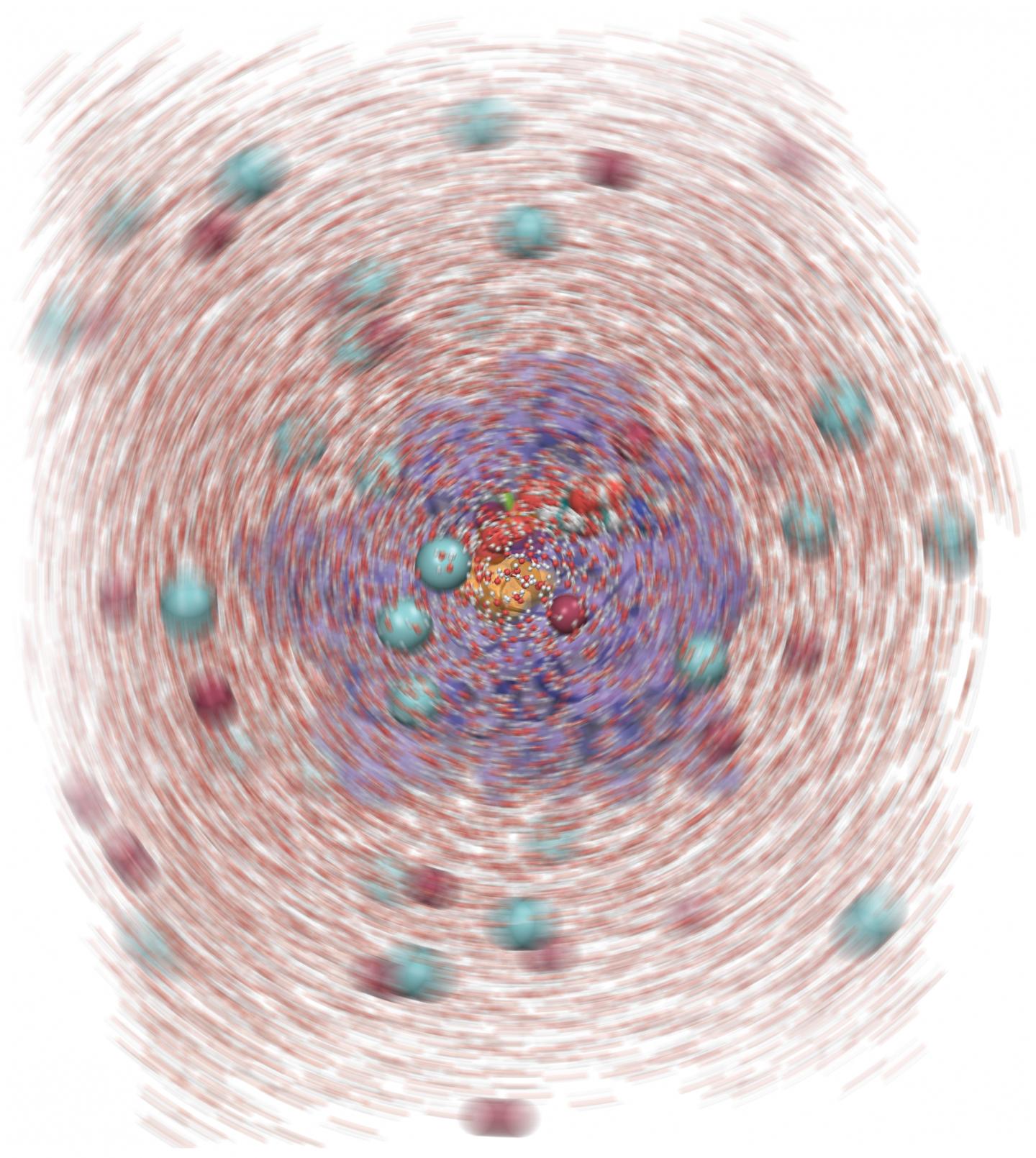
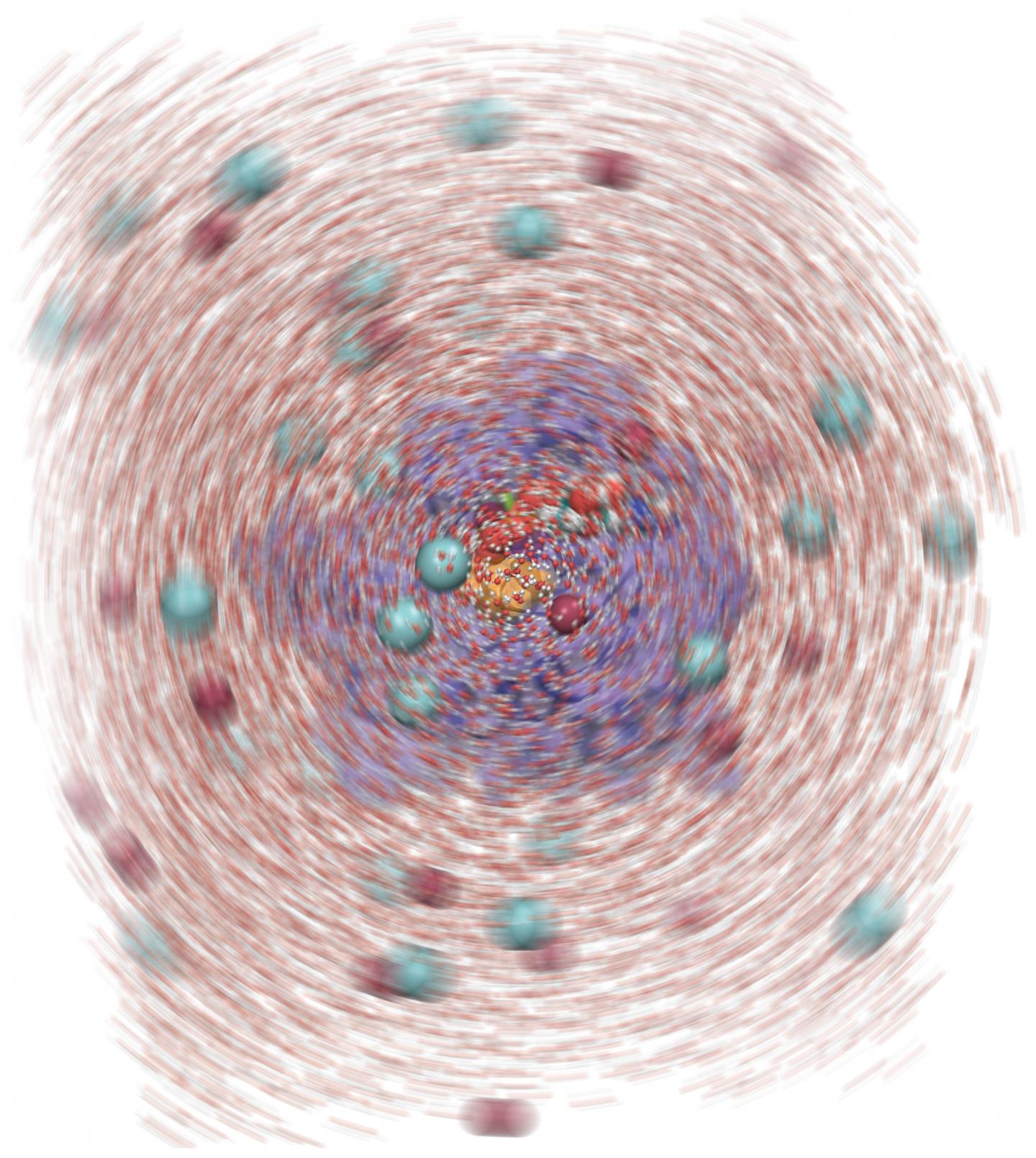
The researchers conducted a thorough analysis of the effects of different mutations on protein function with the help of computer-simulated molecular dynamics. The simulation showed that different mutations have different effects on protein dynamics and, consequently, on protein function. These observed differences may partially explain why different mutations occur more or less frequently in different tissue types.
The study is the first to show that different mutations occurring in the same location have a different effect on the molecular-level function of the KRAS protein.
Mutations of the glycine 12 amino acid of the KRAS protein are most frequently discovered in cancer tumours of the colon, lungs and pancreas, and they are especially common in pancreatic ductal adenocarcinoma. Among the common cancers, pancreatic ductal adenocarcinoma is associated with the worst prognosis, with no effective treatment alternatives available. The findings enhance our understanding of the effects of different mutations. In the future, they may help in the development and selection of drug therapy alternatives targeting the function of the mutated KRAS protein.
###
The study was conducted in collaboration between the University of Eastern Finland, Tampere University of Technology, the University of Tübingen in Germany and the University of Helsinki. A Finnish supercomputer administered by CSC – IT Centre for Science Ltd. was used in the study.
The study was funded by the Academy of Finland and the EU.
For further information, please contact:
Professor Antti Poso, University of Eastern Finland and Eberhard Karls Universität Tübingen, tel. +358 (0) 40 355 2462, antti.poso (a) uef.fi
Tatu Pantsar, Doctor of Pharmacy, University of Eastern Finland, tel. +49 (0) 7071 29 74575, tatu.pantsar (a) uef.fi
Research article:
Pantsar T, Rissanen S, Dauch D, Laitinen T, Vattulainen I, Poso A (2018) Assessment of mutation probabilities of KRAS G12 missense mutants and their long-timescale dynamics by atomistic molecular simulations and Markov state modeling. PLoS Comput Biol 14(9): e1006458. doi:10.1371/journal.pcbi.1006458
Media Contact
Tatu Pantsar
[email protected]
49-070-712-974-575
@UniEastFinland
http://www.uef.fi
Related Journal Article
http://dx.doi.org/10.1371/journal.pcbi.1006458