Credit: Josh Hawkins/UNLV Creative Services
Out of sight, out of mind.
That's the conclusion of a new UNLV study which found that real estate prices for homes in wildfire-prone areas fall relative to homes in low-risk areas immediately following a blaze. But the effect is only temporary: Sale prices in risky areas rebound within one to two years.
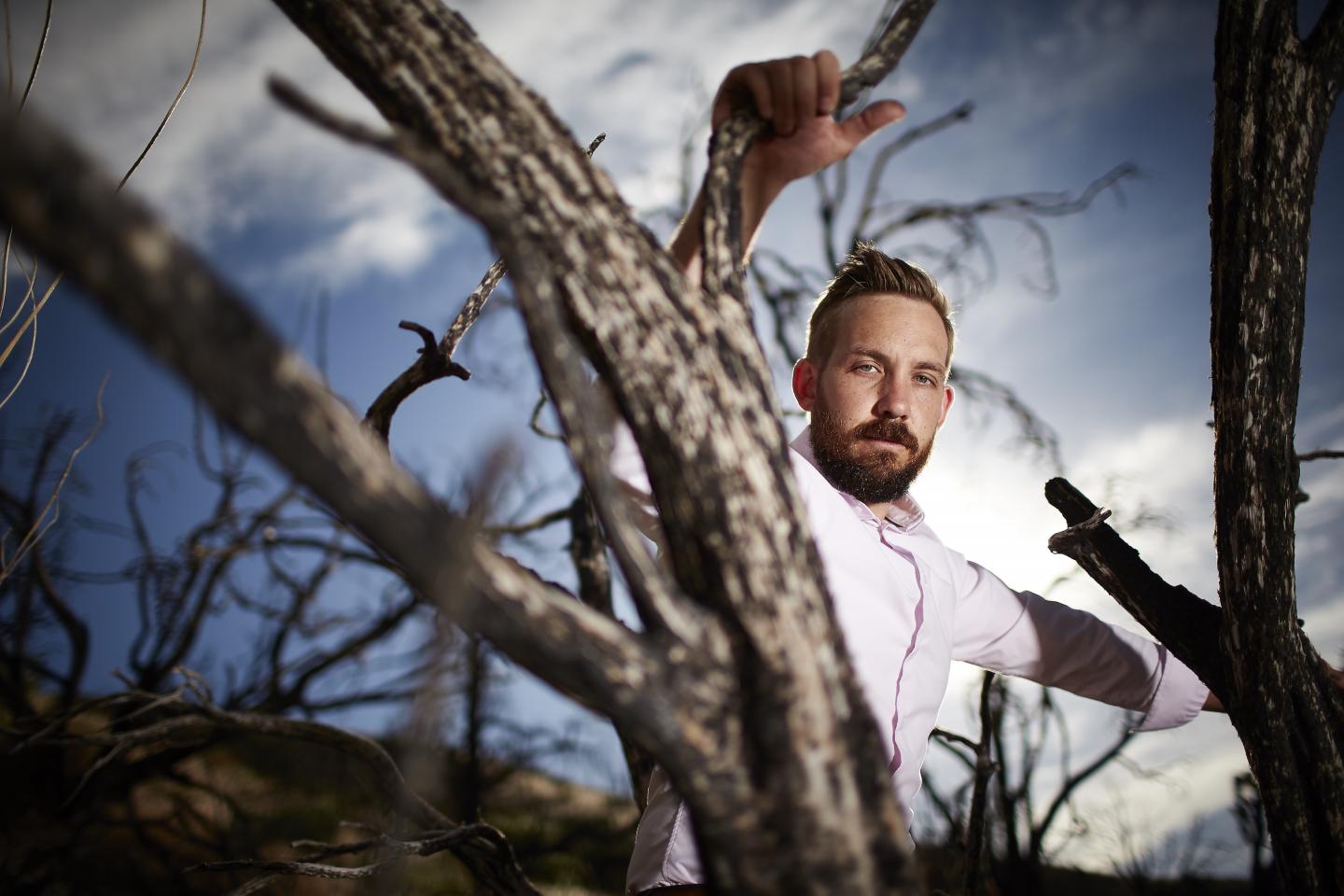
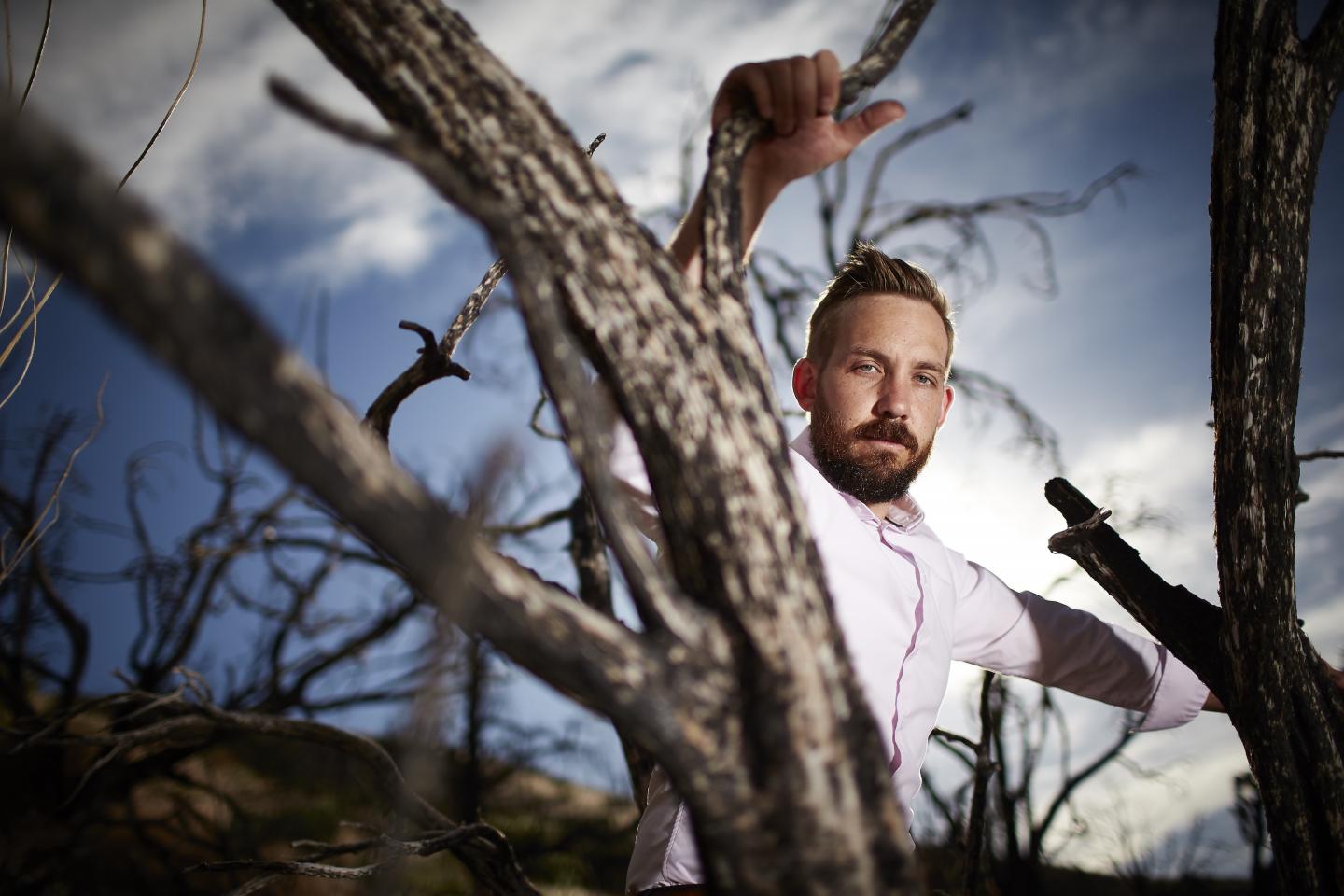
While that may sound like a blessing to homeowners and real estate agents alike, UNLV research economist Shawn McCoy says the phenomenon may also pose somewhat of a curse.
That's because homebuyers place such a significant premium on homes with the appealing views and beautifully isolating dense vegetation provided by mountainous high-fire risk areas that even media coverage of out-of-control blazes, mass evacuations, or deaths may not deter them. As a result, residential growth in forested areas across the United States — areas of landscape commonly referred to as the Wildland-Urban Interface (WUI) — significantly increased in recent years from an estimated 30.8 million housing units in 1990 to 43.4 million by 2010.
And more people living in the WUI creates ideal conditions for large-scale natural disasters.
"To the extent that homeowners value the environmental amenities in these high-risk areas," McCoy said, "if the market participants systematically underestimate the likelihood of a fire, we may observe inefficiently increased rates of housing development in forested areas, as well as a potential decrease in the willingness among existing homeowners to take the steps needed to prevent fire from impacting their homes."
McCoy said it is unlikely that media coverage of the recent fires in California will bring about lasting changes in homeowners' subjective beliefs of a fire impacting their property.
"Despite an initial drop in real estate prices in risk-prone areas, the results of our study suggest that homebuyers' initial fears about fire risk will fade, and development in risk areas may continue to increase," he said. "This is a problem: A lot of recent work shows that wildfires are not just a result of changes in global climates, but also rapid housing development into forested lands."
McCoy and co-author Randy P. Walsh of the University of Pittsburgh conducted the study in Colorado, but say the findings could help homeowners, legislators, insurers, and people across the U.S., which experiences over 100,000 forest wildfires annually.
In their research, McCoy and Walsh examined real estate transaction data from nearly 360,000 properties across eight Colorado counties which were affected by 18 severe wildfires between 2000 and 2012.
McCoy and Walsh used statistical techniques to contrast changes in real estate prices before and after wildfires across two distinct types of homes: Houses located in wildfire risk zones and otherwise similar homes located in low risk zones. They also interlay that information with property sale information and 3D modeling that took into account the homes' risk and proximity to wildfires, as well as residents' view of the blazes or subsequent burn scars based on how elevation and forest density would affect their line of sight.
"This modeling strategy allows us to use real estate markets as a lens to draw inferences regarding the underlying linkages between fire and fire risk perception at a very fine geographic and temporal scale," McCoy said. "If a recent fire has the effect of inducing a significant change in the salience of fire risk, this will ultimately be reflected by a decrease in the demand for homes in fire risk areas."
The study is accepted for publication in the Journal of Environmental Economics and Management.
###
Media Contact
Keyonna Summers
[email protected]
802-895-0898
http://www.unlv.edu
Original Source
https://www.unlv.edu/news/release/wildfire-risk-doesn-t-douse-housing-demand http://dx.doi.org/10.1016/j.jeem.2018.07.005