• HOME
  • NEWS
  • EXPLORE
    • CAREER
      • Companies
      • Jobs
    • EVENTS
    • iGEM
      • News
      • Team
    • PHOTOS
    • VIDEO
    • WIKI
  • BLOG
  • COMMUNITY
    • FACEBOOK
    • INSTAGRAM
    • TWITTER
Saturday, February 7, 2026
BIOENGINEER.ORG
No Result
View All Result
  • Login
  • HOME
  • NEWS
  • EXPLORE
    • CAREER
      • Companies
      • Jobs
        • Lecturer
        • PhD Studentship
        • Postdoc
        • Research Assistant
    • EVENTS
    • iGEM
      • News
      • Team
    • PHOTOS
    • VIDEO
    • WIKI
  • BLOG
  • COMMUNITY
    • FACEBOOK
    • INSTAGRAM
    • TWITTER
  • HOME
  • NEWS
  • EXPLORE
    • CAREER
      • Companies
      • Jobs
        • Lecturer
        • PhD Studentship
        • Postdoc
        • Research Assistant
    • EVENTS
    • iGEM
      • News
      • Team
    • PHOTOS
    • VIDEO
    • WIKI
  • BLOG
  • COMMUNITY
    • FACEBOOK
    • INSTAGRAM
    • TWITTER
No Result
View All Result
Bioengineer.org
No Result
View All Result
Home NEWS Science News Biology

In the race of life, the tortoise beats the hare every time

Bioengineer by Bioengineer
August 27, 2018
in Biology
Reading Time: 2 mins read
0
Share on FacebookShare on TwitterShare on LinkedinShare on RedditShare on Telegram
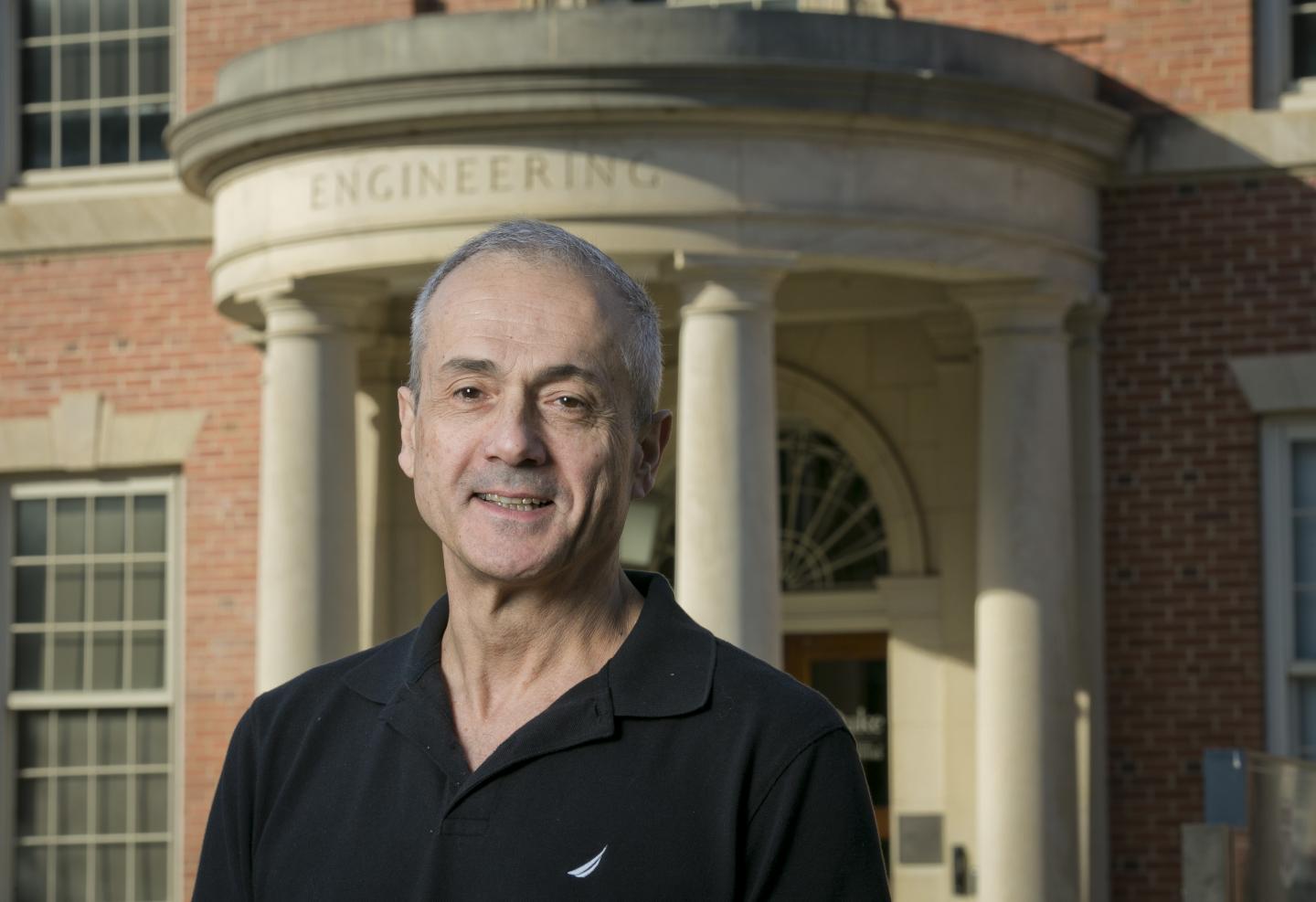
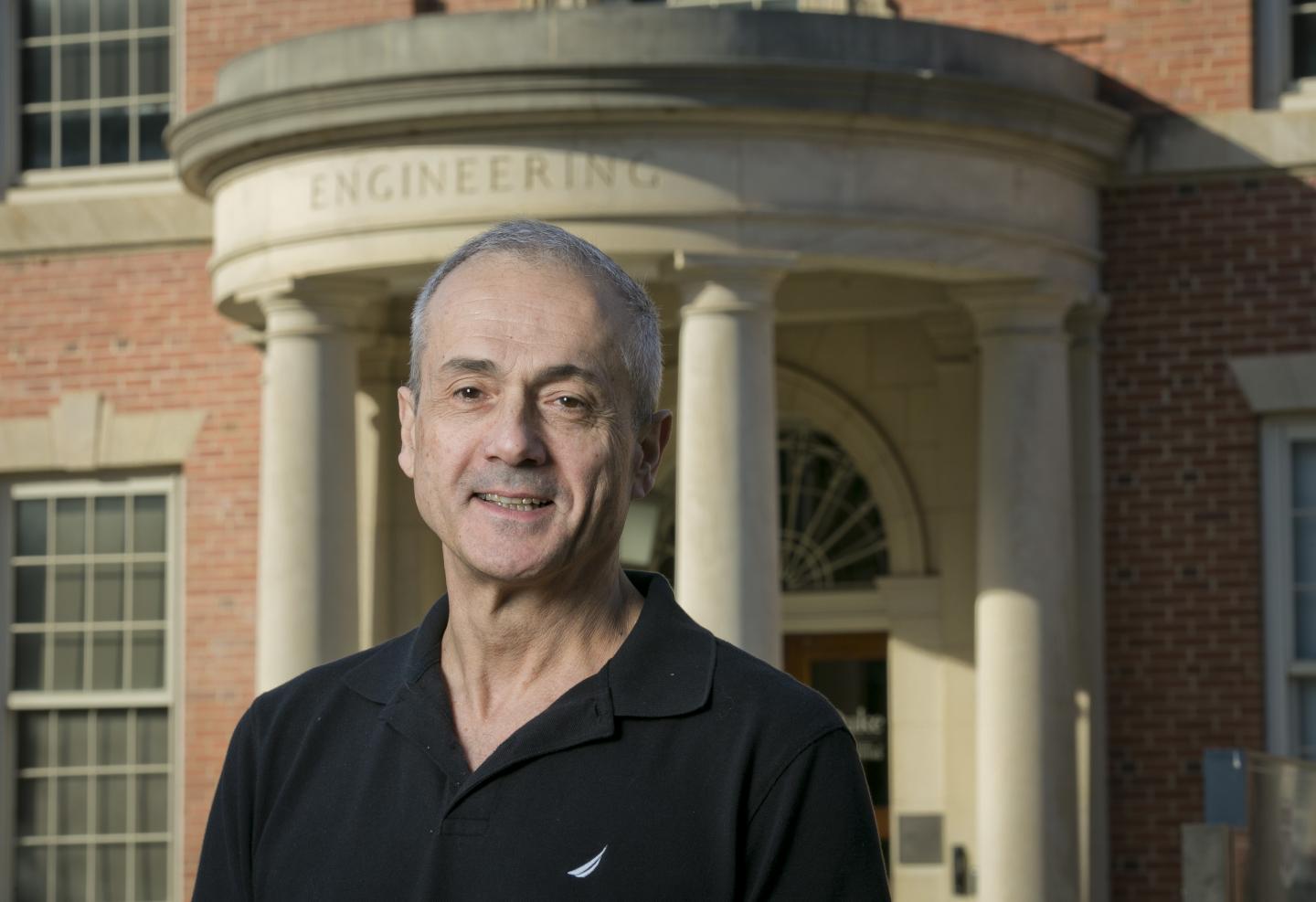
IMAGE

Credit: Duke University

DURHAM, N.C. – Over the long-run, the race will indeed go to the slower, steadier animal.

"The fable of 'The Tortoise and the Hare' is a metaphor about life, not a story about a race," said Adrian Bejan, the J.A. Jones Professor of Mechanical Engineering at Duke University. "We see in animal life two starkly different lifestyles — one with nearly steady feeding and daily sleep and another with short bursts of intermittent feeding interspersed with day-long siestas. Both of these patterns are the rhythms of living that Aesop taught."

In the iconic parable, Aesop tells of a race between a fast but often-distracted hare and a slow but relentless tortoise. Readers are supposed to be surprised when the tortoise manages to defeat the hare, coining the phrase "slow and steady wins the race." But according to Bejan's new analysis, they shouldn't be.

Published on August 27 in the journal Scientific Reports, Bejan analyzes the reported speeds of animals based on land, air and water. The results show that some of the world's fastest animals are actually some of the slowest when their movements are averaged throughout their lifetimes.

Bejan then goes on to demonstrate that this counterintuitive result is also true of the modern aviation industry. With data from hundreds of historical airplane models in hand, Bejan shows that the general trend in their design is for size and speed to increase hand-in-hand.

Except, that is, for the modern jet fighter.

Just like in the animal world, the jet fighter may be faster than other airplanes in short bursts, but it spends much of its time grounded. When averaged over its service lifetime, jet fighters are surprisingly slow when compared to models designed for transport or reconnaissance.

The study emerged as a consequence of a previous paper that used Bejan's constructal theory to show that all animals' speeds tend to rise along with their body mass and adhere to a similar ratio. For example, the stride frequency of running vertebrates bears the same relationship to the animals' mass as does the rate at which fish swim. Similarly, the velocity of runners conforms to the same principles as the speed of birds in flight. These models can be used to predict future evolutionary trends and design directions for aircraft and other vehicles.

"When I would give speeches on this topic, somebody would always bring up outliers to this principle such as the cheetah as counterexamples," said Bejan. "But this study shows that these 'outliers' are to be expected and, when looked at over their lifetimes, are not so different from their lumbering cousins after all."

###

This research was supported by the National Science Foundation.

"The fastest animals and vehicles are neither the biggest nor the fastest over lifetime," A. Bejan, Ü. Güne?, J. D. Charles & B. Sahin. Scientific Reports, DATE 2018. DOI: 10.1038/s41598-018-30303-1

Media Contact

Ken Kingery
[email protected]
919-660-8414
@DukeU

http://www.duke.edu

Related Journal Article

http://dx.doi.org/10.1038/s41598-018-30303-1

Share13Tweet8Share2ShareShareShare2

Related Posts

Florida Cane Toad: Complex Spread and Selective Evolution

Florida Cane Toad: Complex Spread and Selective Evolution

February 7, 2026
New Study Uncovers Mechanism Behind Burn Pit Particulate Matter–Induced Lung Inflammation

New Study Uncovers Mechanism Behind Burn Pit Particulate Matter–Induced Lung Inflammation

February 6, 2026

DeepBlastoid: Advancing Automated and Efficient Evaluation of Human Blastoids with Deep Learning

February 6, 2026

Navigating the Gut: The Role of Formic Acid in the Microbiome

February 6, 2026
Please login to join discussion

POPULAR NEWS

  • Robotic Ureteral Reconstruction: A Novel Approach

    Robotic Ureteral Reconstruction: A Novel Approach

    82 shares
    Share 33 Tweet 21
  • Digital Privacy: Health Data Control in Incarceration

    63 shares
    Share 25 Tweet 16
  • Study Reveals Lipid Accumulation in ME/CFS Cells

    57 shares
    Share 23 Tweet 14
  • Breakthrough in RNA Research Accelerates Medical Innovations Timeline

    53 shares
    Share 21 Tweet 13

About

We bring you the latest biotechnology news from best research centers and universities around the world. Check our website.

Follow us

Recent News

Evaluating Pediatric Emergency Care Quality in Ethiopia

TPMT Expression Predictions Linked to Azathioprine Side Effects

Improving Dementia Care with Enhanced Activity Kits

Subscribe to Blog via Email

Success! An email was just sent to confirm your subscription. Please find the email now and click 'Confirm' to start subscribing.

Join 73 other subscribers
  • Contact Us

Bioengineer.org © Copyright 2023 All Rights Reserved.

Welcome Back!

Login to your account below

Forgotten Password?

Retrieve your password

Please enter your username or email address to reset your password.

Log In
No Result
View All Result
  • Homepages
    • Home Page 1
    • Home Page 2
  • News
  • National
  • Business
  • Health
  • Lifestyle
  • Science

Bioengineer.org © Copyright 2023 All Rights Reserved.