• HOME
  • NEWS
  • EXPLORE
    • CAREER
      • Companies
      • Jobs
    • EVENTS
    • iGEM
      • News
      • Team
    • PHOTOS
    • VIDEO
    • WIKI
  • BLOG
  • COMMUNITY
    • FACEBOOK
    • INSTAGRAM
    • TWITTER
Saturday, February 7, 2026
BIOENGINEER.ORG
No Result
View All Result
  • Login
  • HOME
  • NEWS
  • EXPLORE
    • CAREER
      • Companies
      • Jobs
        • Lecturer
        • PhD Studentship
        • Postdoc
        • Research Assistant
    • EVENTS
    • iGEM
      • News
      • Team
    • PHOTOS
    • VIDEO
    • WIKI
  • BLOG
  • COMMUNITY
    • FACEBOOK
    • INSTAGRAM
    • TWITTER
  • HOME
  • NEWS
  • EXPLORE
    • CAREER
      • Companies
      • Jobs
        • Lecturer
        • PhD Studentship
        • Postdoc
        • Research Assistant
    • EVENTS
    • iGEM
      • News
      • Team
    • PHOTOS
    • VIDEO
    • WIKI
  • BLOG
  • COMMUNITY
    • FACEBOOK
    • INSTAGRAM
    • TWITTER
No Result
View All Result
Bioengineer.org
No Result
View All Result
Home NEWS Science News Cancer

Rare cancer could be caught early using simple blood tests

Bioengineer by Bioengineer
August 15, 2018
in Cancer
Reading Time: 2 mins read
0
Share on FacebookShare on TwitterShare on LinkedinShare on RedditShare on Telegram
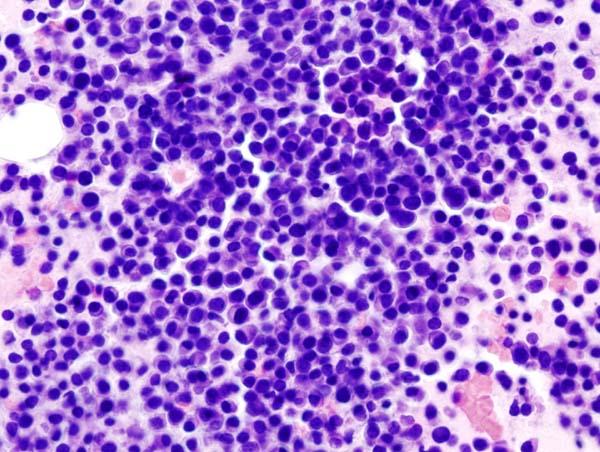
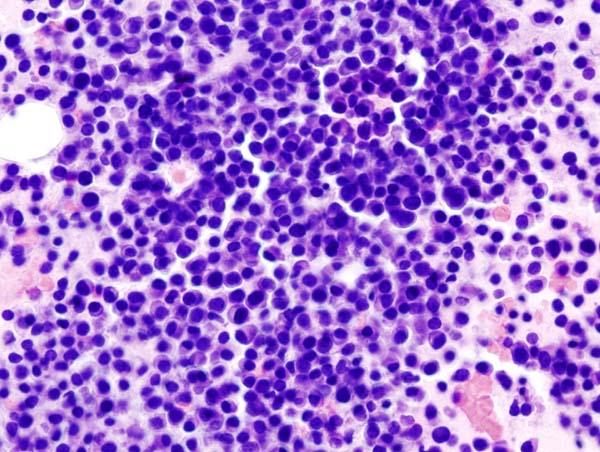
IMAGE

Credit: Wikipedia Commons

A pioneering study into myeloma, a rare cancer, could lead to GPs using simple blood tests to improve early diagnosis.

The study investigated the best combination of blood tests that could be used to diagnose myeloma in GP practices.

The research was a collaboration between the University of Oxford, the University of Exeter and Chiddenbrook Surgery, Crediton, funded by the National Institute for Health Research (NIHR) and is published in the British Journal of General Practice.

Researchers investigated how useful a number of different measures were for indicating the presence of the disease, and suggested what combinations of these tests were sufficient to rule out the disease, and to diagnose it, saving the patient from the worry of specialist referral.

Blood tests of 2703 cases taken up to five years prior to diagnosis were analysed and compared with those of 12,157 patients without the cancer, matching cases with control patients of similar age amongst other relevant parameters.

They demonstrated that a simple combination of two blood parameters could be enough to diagnose patients. Such blood tests are routinely conducted in GP surgeries.

Constantinos Koshiaris, lead author of the study, from Oxford University, said: "The combination of levels of haemoglobin, the oxygen carrier in the blood, and one of two inflammatory markers (erythrocyte sedimentation rate or plasma viscosity) are a sufficient test rule out myeloma. If abnormalities are detected in this test, it should lead to urgent urine protein tests which can help speed up diagnosis".

Each year approximately 5,700 people are diagnosed with myeloma in the UK alone. It can lead to symptoms such as bone pain, fatigue and kidney failure. It has the longest diagnosis process of all common cancers, and a large number of patients are diagnosed after emergency care, over a third of which having had at least three primary care consultations.

Professor Willie Hamilton, of the University of Exeter Medical School, is principal investigator on the study. He said "Ordinarily a GP will see a patient with myeloma every five years – and early diagnosis matters. More timely treatment could significantly improve survival rates for this disease. We report a simple way a GP can check patients presenting symptoms such as back, rib and chest pain, or recurrent chest infections, and determine whether they have myeloma or not".

The authors also suggest the possibility of integrating a system in the electronic health record to alert clinicians to relevant symptoms or changes in blood parameters related to myeloma.

###

Media Contact

James Marks
[email protected]
01-392-722-390
@uniofexeter

http://www.exeter.ac.uk

Share13Tweet8Share2ShareShareShare2

Related Posts

Deep Learning Uncovers Tetrahydrocarbazoles as Potent Broad-Spectrum Antitumor Agents with Click-Activated Targeted Cancer Therapy Approach

February 7, 2026

Newly Discovered Limonoid DHL-11 from Munronia henryi Targets IMPDH2 to Combat Triple-Negative Breast Cancer

February 7, 2026

New Discovery Reveals Why Ovarian Cancer Spreads Rapidly in the Abdomen

February 6, 2026

New Study Finds Americans Favor In-Clinic Screening Over At-Home Tests for Cervical Cancer

February 6, 2026
Please login to join discussion

POPULAR NEWS

  • Robotic Ureteral Reconstruction: A Novel Approach

    Robotic Ureteral Reconstruction: A Novel Approach

    82 shares
    Share 33 Tweet 21
  • Digital Privacy: Health Data Control in Incarceration

    63 shares
    Share 25 Tweet 16
  • Study Reveals Lipid Accumulation in ME/CFS Cells

    57 shares
    Share 23 Tweet 14
  • Breakthrough in RNA Research Accelerates Medical Innovations Timeline

    53 shares
    Share 21 Tweet 13

About

We bring you the latest biotechnology news from best research centers and universities around the world. Check our website.

Follow us

Recent News

Phage-Antibiotic Combo Beats Resistant Peritoneal Infection

Boosting Remote Healthcare: Stepped-Wedge Trial Insights

Barriers and Boosters of Seniors’ Physical Activity in Karachi

Subscribe to Blog via Email

Enter your email address to subscribe to this blog and receive notifications of new posts by email.

Join 73 other subscribers
  • Contact Us

Bioengineer.org © Copyright 2023 All Rights Reserved.

Welcome Back!

Login to your account below

Forgotten Password?

Retrieve your password

Please enter your username or email address to reset your password.

Log In
No Result
View All Result
  • Homepages
    • Home Page 1
    • Home Page 2
  • News
  • National
  • Business
  • Health
  • Lifestyle
  • Science

Bioengineer.org © Copyright 2023 All Rights Reserved.