ROCHESTER, Minn. — Mayo Clinic researchers are using precision genomics to search for undiscovered, inheritable genetic mutations that cause accelerated aging. In a study recently published in Mayo Clinic Proceedings, researchers conducted a study assessing 17 patients with short telomere syndromes — rare conditions that result in premature DNA and cellular deterioration. The ability to pinpoint the genetic abnormalities associated with short telomere syndromes is key to finding better ways to screen, diagnose and treat patients.
"We're using precision genomics like a heat-seeking missile," says Mrinal Patnaik, M.B.B.S., a Mayo Clinic hematologist and clinical researcher. "Not to destroy, but to zero in on genetic mutations that may be linked with short telomere and other inherited bone marrow failure syndromes, providing unique insights into their disease biology."
Mayo Clinic is one of the few medical institutions in the world committed to building the necessary expertise in telomere biology, combined with access to a dedicated clinic for such unique patients. This effort has enabled the researchers to undertake the study.
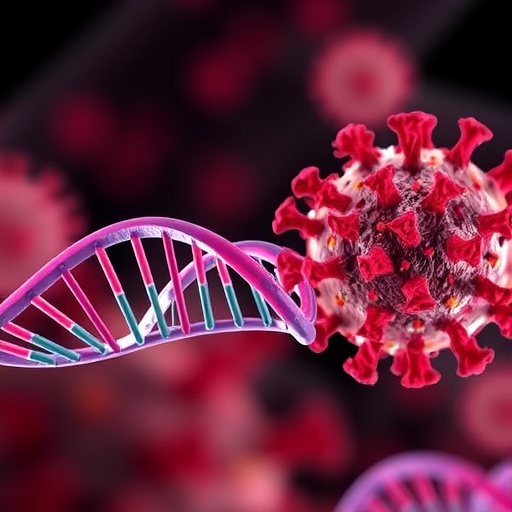
Telomeres are DNA-protein structures that protect the ends of chromosomes, similar to plastic tips at the ends of shoelaces. As people age, telomeres naturally break down and get shorter during the process of DNA replication. This process happens faster in parts of the body with higher cell turnover, such as the skin, hair, bone marrow, liver, lungs and immune system. Scientists hypothesize that this is why certain parts of the body tend to show visible signs of aging, such as hair turning gray and skin becoming wrinkled. For patients with short telomeres, these signs of aging can occur much earlier in life and often include premature aging of skin and hair, liver and lung disease, and bone marrow failure.
Certain genetic mutations are known to be associated with short telomeres. However, only about 40 percent of patients with short telomeres have one of these known mutations. This means that there are still important causes of short telomeres that researchers have not yet discovered.
In their study, Mayo researchers demonstrated the potential of using a targeted genomics approach to identify new genetic abnormalities associated with short telomeres and follow such patients prospectively.
###
Researchers involved in this study were Abhishek Mangaonkar, M.B.B.S., and Alejandro Ferrer, Ph.D., who were the co-first authors. Mark Wylam, M.D., and Dr. Patnaik were senior authors.
This research was funded by the Gerstner Family Career Development Award from the Mayo Clinic Center for Individualized Medicine and a grant from the National Institutes of Health's National Center for Advancing Translational Science.
The researchers report no conflicts of interest.
About Mayo Clinic
Mayo Clinic is a nonprofit organization committed to clinical practice, education and research, providing expert, comprehensive care to everyone who needs healing. Learn more about Mayo Clinic. Visit the Mayo Clinic News Network.
Media Contact
Caitlin Doran
[email protected]
507-284-5005
@MayoClinic
http://www.mayoclinic.org/news
https://newsnetwork.mayoclinic.org/discussion/precision-genomics-point-the-way-to-mutations-associated-with-accelerated-aging/