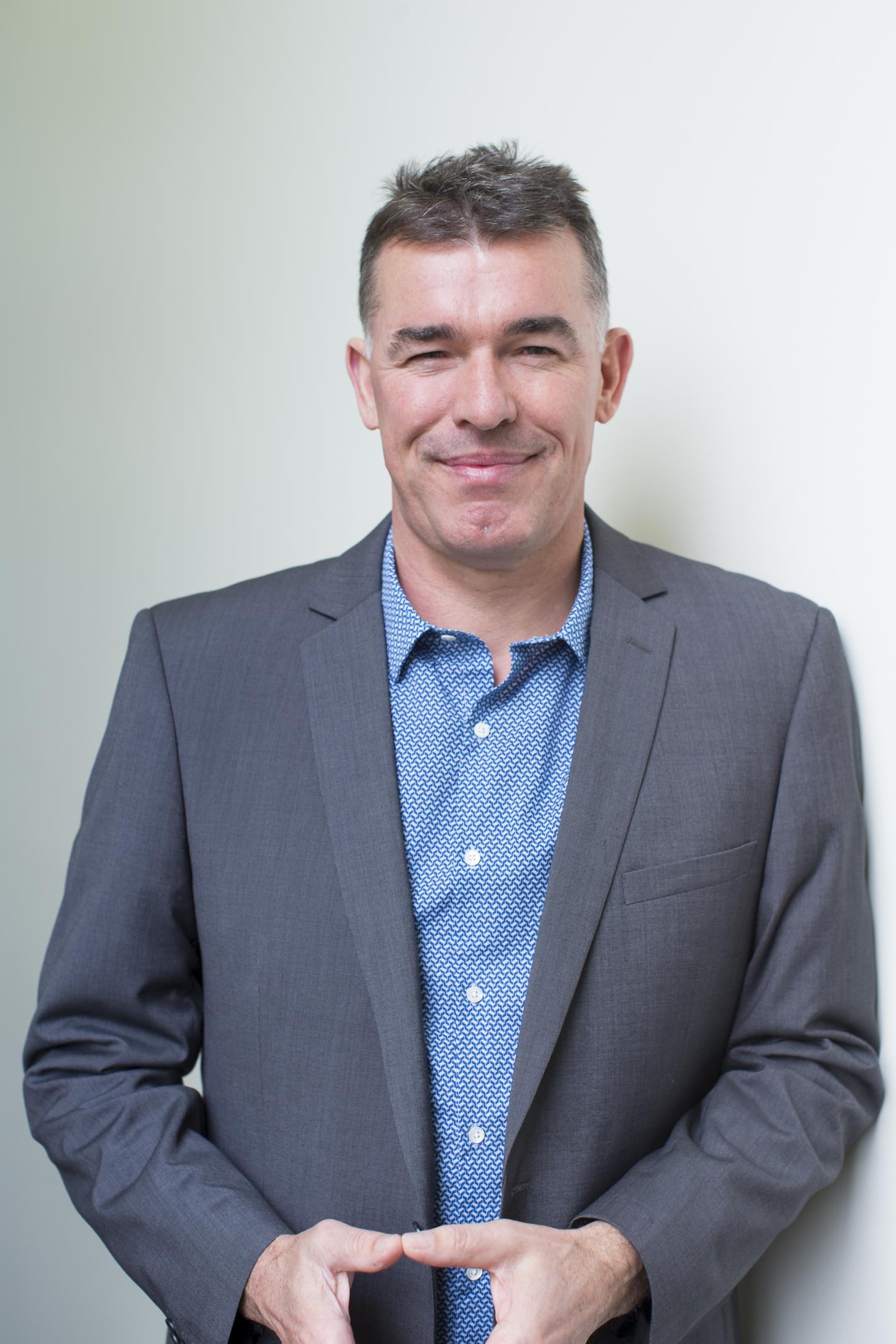
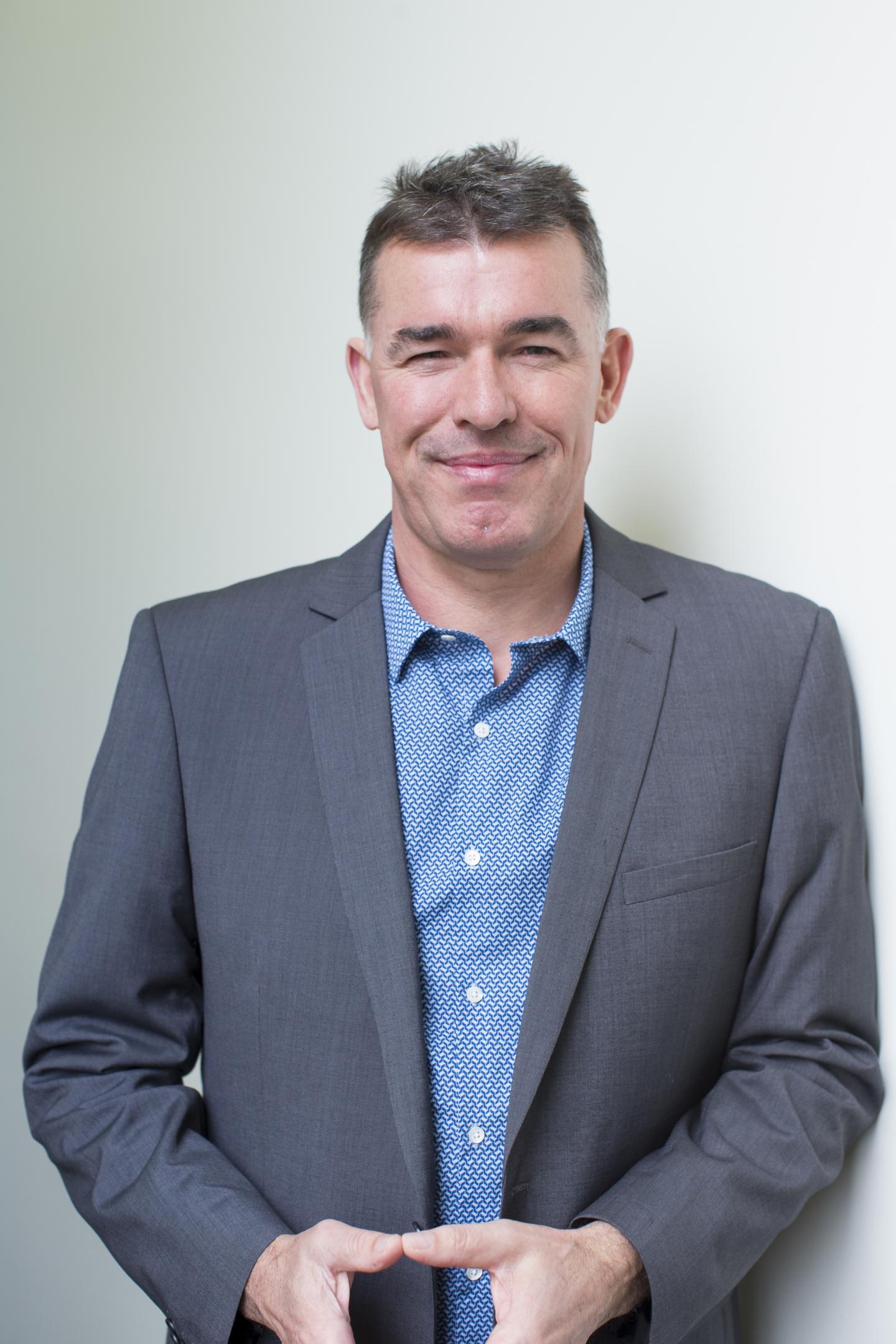
Credit: University of Sydney
A pioneering study has found Australian parents who turned to medicinal cannabis to treat children with epilepsy overwhelmingly (75 percent) considered the extracts as "effective". Contrary to parental expectations, extracts generally contained low doses of cannabidiol (CBD) – commonly considered to be a key therapeutic element and that has been successfully used in recent clinical trials to treat epilepsy.
The research, which commenced two years ago by the University of Sydney's Lambert Initiative for Cannabinoid Therapeutics, not only sheds light on the composition of cannabis used in the community but also reveals the legal, bureaucratic, and cost issues faced by families who relied on the products, as well as demonstrating the barriers to accessing medicinal cannabis.
The study found that the main psychoactive ingredient in cannabis, tetrahydrocannabidiol (THC), and the closely related compound THCA, were present in most extracts, although the quantity was generally not enough to produce intoxicating effects. Just over half the extracts were associated with a seizure reduction of 75-100 percent, which reinforces observations from animal studies and case reports of anticonvulsant effects of THC and THCA. As well, 65 percent were associated with other beneficial effects like improved cognition (35 percent) and language skills (24 percent).
The findings are published today by Springer Nature in its leading journal, Scientific Reports.
Lead author and PhD candidate with the Lambert Initiative at the Brain and Mind Centre, Ms Anastasia Suraev, said just under half the families who used medicinal cannabis reduced their antiepileptic medication.
"Our findings highlight the huge unmet clinical need in the management of treatment-resistant epilepsy in childhood," said Miss Suraev, from the School of Psychology.
Corresponding author and academic director of the Lambert Initiative, Professor Iain McGregor, said: "Although the illicit extracts we analysed contained low doses of CBD, three in four were reported as 'effective', indicating the importance of researching the cannabis plant in its entirety for the treatment of epilepsy.
"And despite the overwhelming presence of generally low levels of THC, concentrations did not differ between samples perceived as 'effective' and 'ineffective'.
"Our research indicates there is a potential role for other cannabinoids, alone or in combination with conventional drugs, in treatment-resistant epilepsy – and this warrants further investigation so we can hopefully develop safer and more effective medicines."
###
Information on accessing medicinal cannabis is available at sydney.edu.au/lambert/how-to-get-medicinal-cannabis.html
Notes to editors
- The majority of families had disclosed their use of cannabis extracts to their treating doctor with substantial variation in the level of support provided to families by the medical profession.
- Almost half (49 percent) of the extracts were associated with families reducing some, but not all, of their child's concomitant antiepileptic medication while 45 percent did not result in any changes to the child's current medication. Three extracts (6 percent) were associated with complete cessation of all antiepileptic drugs.
- Only 3 out of 51 extracts analysed provided doses of CBD that approached the minimum doses used in recent clinical trials of CBD (i.e. at least 10 mg/kg/day); when excluding two extracts accessed through government schemes, the average CBD dose fell to 0.64 ± 1.94 (range 0 – 12.3) mg/kg/day.
- THCA and THC together ranked most prevalent cannabinoids (60.5 percent); CBD was most prevalent in just under a quarter of samples (23 percent) and was undetectable in 8 percent (4/51 samples). The majority of children received relatively low doses of THC, with 41 out of 51 samples being administered at less than 0.5 mg/kg/day.
- While no serious adverse effects were reported, 37 percent of extracts were reported to have side effects. These included: worsening of pre-existing problem behaviours (12 percent), possible increase in seizures (12 percent), drowsiness/lethargy (8 percent), gastrointestinal upset (6 percent) and possible intoxication (4 percent).
Media Contact
Vivienne Reiner
[email protected]
61-438-021-390
@SydneyUni_Media
http://www.usyd.edu.au/
Original Source
https://sydney.edu.au/news-opinion/news/2018/07/05/content-of-illicit-cannabis-to-treat-children-with-epilepsy-revealed.html http://dx.doi.org/10.1038/s41598-018-28127-0