• HOME
  • NEWS
  • EXPLORE
    • CAREER
      • Companies
      • Jobs
    • EVENTS
    • iGEM
      • News
      • Team
    • PHOTOS
    • VIDEO
    • WIKI
  • BLOG
  • COMMUNITY
    • FACEBOOK
    • INSTAGRAM
    • TWITTER
Wednesday, April 1, 2026
BIOENGINEER.ORG
No Result
View All Result
  • Login
  • HOME
  • NEWS
  • EXPLORE
    • CAREER
      • Companies
      • Jobs
        • Lecturer
        • PhD Studentship
        • Postdoc
        • Research Assistant
    • EVENTS
    • iGEM
      • News
      • Team
    • PHOTOS
    • VIDEO
    • WIKI
  • BLOG
  • COMMUNITY
    • FACEBOOK
    • INSTAGRAM
    • TWITTER
  • HOME
  • NEWS
  • EXPLORE
    • CAREER
      • Companies
      • Jobs
        • Lecturer
        • PhD Studentship
        • Postdoc
        • Research Assistant
    • EVENTS
    • iGEM
      • News
      • Team
    • PHOTOS
    • VIDEO
    • WIKI
  • BLOG
  • COMMUNITY
    • FACEBOOK
    • INSTAGRAM
    • TWITTER
No Result
View All Result
Bioengineer.org
No Result
View All Result
Home NEWS Science News Biology

Exposure of hummingbirds and bumble bees to pesticides

Bioengineer by Bioengineer
July 5, 2018
in Biology
Reading Time: 1 min read
0
Share on FacebookShare on TwitterShare on LinkedinShare on RedditShare on Telegram

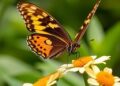
New research reveals that hummingbirds and bumble bees are being exposed to neonicotinoid and other pesticides through routes that are widespread and complex. The findings are published in Environmental Toxicology & Chemistry.

To measure exposure to pesticides in these avian pollinators, investigators made novel use of cloacal fluid and fecal pellets from hummingbirds living near blueberry fields in British Columbia. They also collected bumble bees native to Canada, and their pollen, and blueberry leaves and flowers from within conventionally sprayed and organic blueberry farms.

The researchers detected pesticides and related compounds in cloacal fluid and fecal pellets of hummingbirds revealing for the first time that hummingbirds are exposed to and accumulate pesticide exposures of multiple types. In addition, bumble bees, their pollen, and blueberry flowers contained pesticides, with the highest concentration of the insecticide imidacloprid in pollen from organic farms.

"Hummingbirds and bumble bees are important pollinators of wild and agricultural plants and they survive each day on a razor's edge due to their high energy needs," said lead author Dr. Christine Bishop, of Environment and Climate Change Canada. "Pesticide exposure in these animals may have impacts on their health and the ecosystem services they provide to humans and wildlife."

###

Media Contact

Josh Glickman
[email protected]
201-748-6572

http://newsroom.wiley.com/

http://dx.doi.org/10.1002/etc.4174
Share12Tweet8Share2ShareShareShare2

Related Posts

New Study Reveals Respiratory Evolution as Key Driver of Body Size Variation in Early Terrestrial Vertebrates

New Study Reveals Respiratory Evolution as Key Driver of Body Size Variation in Early Terrestrial Vertebrates

April 1, 2026
Survey Reveals Many Dog Owners Overlook Subtle Pain Signs Like Nighttime Restlessness and Clinginess

Survey Reveals Many Dog Owners Overlook Subtle Pain Signs Like Nighttime Restlessness and Clinginess

April 1, 2026

Ancient 500-Million-Year-Old Clawed Predator Redefines the Evolution of Spiders and Horseshoe Crabs

April 1, 2026

Chikungunya Virus Lingers in Joint Macrophages, Causes Chronic Disease

April 1, 2026
Please login to join discussion

POPULAR NEWS

  • blank

    Revolutionary AI Model Enhances Precision in Detecting Food Contamination

    96 shares
    Share 38 Tweet 24
  • Imagine a Social Media Feed That Challenges Your Views Instead of Reinforcing Them

    1006 shares
    Share 398 Tweet 249
  • Promising Outcomes from First Clinical Trials of Gene Regulation in Epilepsy

    51 shares
    Share 20 Tweet 13
  • Popular Anti-Aging Compound Linked to Damage in Corpus Callosum, Study Finds

    44 shares
    Share 18 Tweet 11

About

We bring you the latest biotechnology news from best research centers and universities around the world. Check our website.

Follow us

Recent News

DNA Damage Drives Selective CUX2 Neuron Loss

Metabolic Signatures Link VAT Mass to Liver Disease

SOCS5 Links DNA Damage to Diabetic Retinopathy

Subscribe to Blog via Email

Enter your email address to subscribe to this blog and receive notifications of new posts by email.

Join 78 other subscribers
  • Contact Us

Bioengineer.org © Copyright 2023 All Rights Reserved.

Welcome Back!

Login to your account below

Forgotten Password?

Retrieve your password

Please enter your username or email address to reset your password.

Log In
No Result
View All Result
  • Homepages
    • Home Page 1
    • Home Page 2
  • News
  • National
  • Business
  • Health
  • Lifestyle
  • Science

Bioengineer.org © Copyright 2023 All Rights Reserved.