Credit: UAB
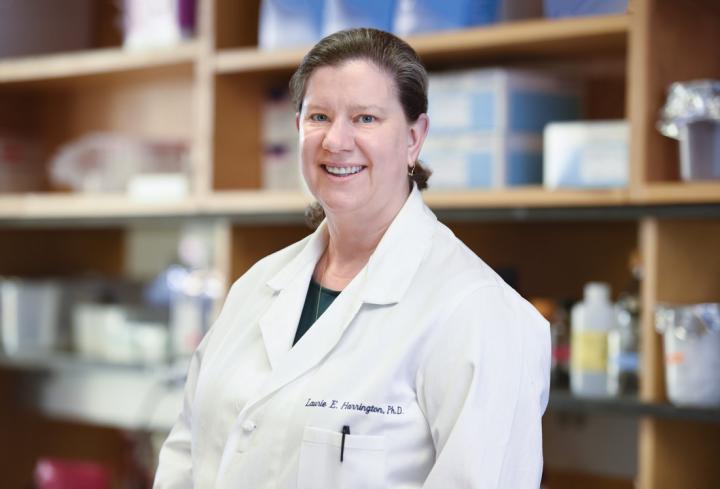
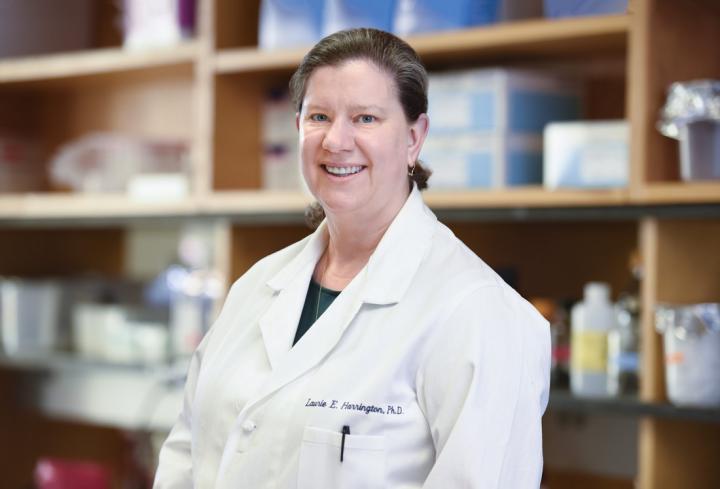
BIRMINGHAM, Ala. – In preclinical experiments, Laurie Harrington, Ph.D., and colleagues at the University of Alabama at Birmingham have discovered a subset of immune cells that create and sustain chronic inflammatory bowel disease. These cells could become potential therapeutic targets to ameliorate or cure Crohn's disease and ulcerative colitis.
Furthermore, if this subset of CD4 T cells plays a similar role in other autoimmune diseases, such as Type 1 diabetes or rheumatoid arthritis, they could also be targets for therapy.
"We think these cells could be in a number of auto-inflammatory diseases," said Harrington, an associate professor in the UAB Department of Cell, Developmental and Integrative Biology. "Our hope is, if we could treat these cells, it could be curative."
Inflammatory bowel disease, or IBD, has two forms: Crohn's disease, which can affect any part of the gastrointestinal tract but most often occurs in the lower small intestine; and ulcerative colitis, found in the large intestine and rectum. In both, prolonged inflammation damages the GI tract, accompanied by symptoms that include persistent diarrhea and abdominal pain.
IBD is an autoimmune disease caused by a dysfunctional immune response, yet the mechanisms of how the immune cells cause chronic inflammation and pathology are unknown. In IBD, the cytokine interferon-gamma is abundantly produced by a type of immune cells called CD4 T cells, yet there is conflicting information about the role of interferon-gamma in the disease.
The immune system in mammals functions via an exquisite series of interactions among a large cast of different immune cells. The goal is to trigger a response that will identify and eliminate infecting bacteria or viruses, and then turn off that response when the infection is gone. At the same time, the immune response is not supposed to attack a person's own cells, a harmful attack that is called autoimmunity.
This tightly controlled immunity starts with blood-line stem cells in the bone marrow that have the capacity to differentiate into a large number of different immune cells. The stem cells themselves can divide indefinitely. The stem cells produce intermediate cells known as progenitor cells. Progenitor cells can divide for a while, but not indefinitely, and they have the ability to further differentiate into one or several types of fully differentiated immune cells.
As an example, effector CD4 T cells are progenitors that can differentiate into various types of T-helper cells that are found in IBD.
In a mouse model of colitis, Harrington, first author Boyoung Shin and colleagues found that effector CD4 T cells exist in a spectrum of differentiation states, and the pathogenic potential of the cells was directly linked to the differentiation status.
They were able to separate the CD4 T cells into two groups: interferon-gamma-producing CD4 T cells and CD4 T cells that did not produce interferon-gamma. The interferon-gamma-positive CD4 T cells were not able to confer colitis when transferred to healthy mice, and those cells were not required to sustain disease.
In contrast, it was the interferon-gamma-negative CD4 T cells that were pathogenic. Those cells were capable of eliciting and maintaining intestinal inflammation. That group showed a stem cell-like transcriptional signature, which supports the capacity to self-renew and resist the programmed cell death, called apoptosis. They also continually seeded terminally differentiated, interferon-gamma-producing cells in the inflamed intestine.
The researchers also identified a glycosyltransferase enzyme in the interferon-gamma-negative CD4 T cells that positively regulated a transcription factor involved in stemness.
Similar to the Harrington study, a different group of researchers recently found there is a distinct subset of CD8 T cells that sustains the control of chronic viral infections, and this unique cell population is distinguished by its stem-like qualities.
###
Besides Harrington and Shin, co-authors of the study, "Effector CD4 T cells with progenitor potential mediate chronic intestinal inflammation," published in the Journal of Experimental Medicine, are Robert L. Kress and Susan L. Bellis, UAB Department of Cell, Developmental and Integrative Biology; and Philip A. Kramer and Victor M. Darley?Usmar, UAB Department of Pathology.
This work was supported by National Institutes of Health grants DK084082, AI113007, GM111093 and DK079337; American Heart Association grant 16PRE29650004; a UAB Multiple Sclerosis Center grant; and a UAB School of Medicine Blue Sky Award.
At UAB, Darley-Usmar holds the Endowed Professorship in Mitochondrial Medicine and Pathology.
Media Contact
Jeff Hansen
[email protected]
205-209-2355
http://www.uab.edu
Original Source
https://www.uab.edu/news/research/item/9561-immune-cells-that-create-and-sustain-chronic-inflammatory-bowel-disease-identified http://dx.doi.org/10.1084/jem.20172335