(Boston)–Researchers have identified a one-of-a kind mutation in the DNA of a patient who died of transthyretin (TTR) amyloidosis, a progressive condition characterized by the buildup of abnormal deposits of a misfolded protein called amyloid in the body's organs and tissues.
The findings, published in the journal Proceedings of the National Academy of Sciences, may help identify much-needed new targets for treatment of this debilitating disease which can lead to organ failure and even death.
Protein misfolding (when a protein structure does not assume its functional state) underlies a number of diseases including cystic fibrosis, Alzheimer's disease, dementia and Parkinson's disease among others. Amyloid formation by a misfolded protein causes some of these and other diseases, including TTR amyloidosis, a common form of systemic amyloid disease worldwide.
According to John Berk, MD, associate clinical director of the Amyloid Treatment and Research Program at Boston University School of Medicine (BUSM) who treated the patient, the strategy of stabilizing the structure of a mutated protein to prevent its misfolding works for many patients with familial TTR amyloidosis. "Studying those that do not respond to treatment provides critical insights into the molecular basis of the disease and offers new strategies for better treatments." The patient with this new TTR mutation did not respond to treatment. The researchers wanted to understand why the drug was ineffective.
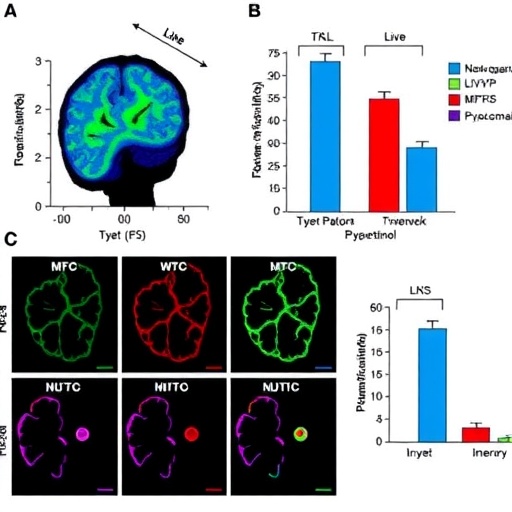
In order to determine how this new mutation in TTR affects the structural stability and misfolding of the protein and its interactions with the drug used to treat the disease, lead author Elena Klimtchuk, PhD, research scientist at BUSM, generated recombinant proteins that mimic normal transthyretin and its disease-causing variants. These proteins were then analyzed by Klimtchuk and colleagues using a battery of biophysical, biochemical and bioinformatics methods. The results showed that the mutation greatly destabilized the protein and enhanced amyloid formation, and that the drug failed to block this deleterious process.
"We were surprised to find that the mutation had little, if any, effect on the drug binding to its target protein, TTR. We suspect that a higher dose of this drug is unlikely to help patients with this gene mutation," explained corresponding author Olga Gursky, PhD, professor of Physiology and Biophysics at BUSM.
The researchers believe this study helps explain why the drug that is currently used to treat TTR amyloidosis has limited effect and does not work for all patients. "Our findings indicate that new drugs must target different sites on the protein to stabilize TTR and inhibit its deposition as amyloid," added Gursky.
This study impacts the treatment of TTR amyloidosis, a debilitating and deadly disease that affects approximately 40,000 worldwide, and has broader implications for understanding the molecular basis of other amyloid diseases caused by various proteins. "Increasing our understanding of the protein misfolding processes and how drugs intended to stabilize the particular protein succeed and fail provides insights into the design of more effective drugs."
###
Also contributing to this study were Tatiana Prokaeva, MD, PhD; Nicholas Frame, PhD candidate in Biophysics; Lawreen Connors, PhD, Director of the Gerry Amyloid Research Laboratory and co-corresponding author, and other members of the BUSM Amyloidosis Center.
Funding for this study was provided by the National Institutes of Health grants GM067260, AG031804, and HL007969; the Wildflower Foundation and the Gruss Foundation; the Stewart Amyloidosis Endowment Fund; the Young Family Amyloidosis Endowment Fund; and the Amyloidosis Research Fund at Boston University.
Media Contact
Gina DiGravio
[email protected]
617-638-8480
@BUMedicine
http://www.bmc.org