Barcelona, Spain: Colorectal cancer is the second most common cause of cancer-related deaths in the Western world, mainly because it is usually diagnosed too late. Finding ways to identify those people who are at increased risk of developing colon cancer is therefore crucial, a researcher will tell the annual conference of the European Society of Human Genetics today.
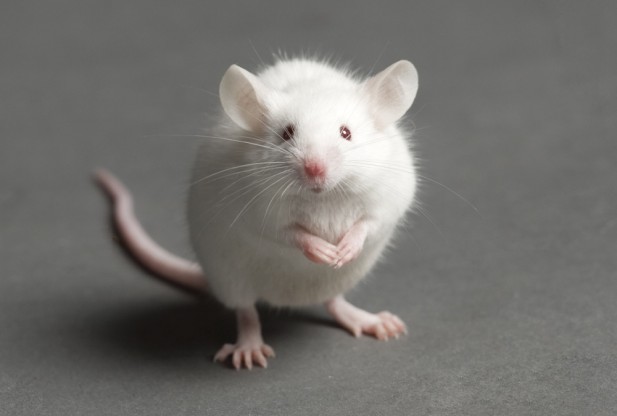
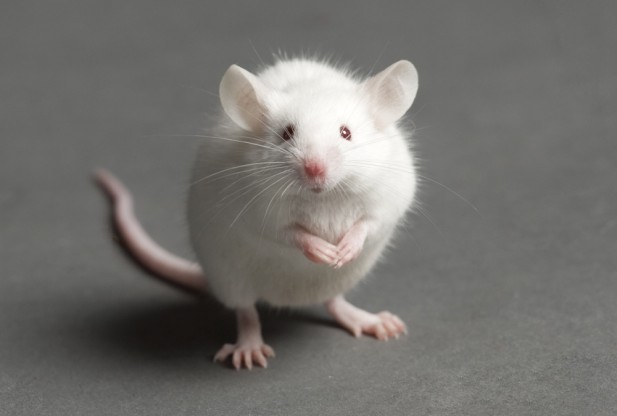
Marjaana Pussila, a PhD student in the ‘DNA mismatch repair and cancer’ group at the University of Helsinki, Finland, will explain how her team’s work in genetically-engineered mice has helped to reveal the role played by a Western-style diet, rich in fat and low in fibre, vitamin D and folate, in the development of colorectal cancer.
Interactions between genetic and environmental factors, including diet, are thought to play a crucial role in its development, but the earliest changes in normal colonic mucosa that could lead to early detection and prevention of cancer development remain to be elucidated. Using a mouse model of Lynch syndrome, the most common form of inherited colon cancer, the researchers carried out a long-term diet experiment. The Lynch syndrome mouse carries a mutation in MIh1, a mismatch repair gene, which is one of the main susceptibility genes in the disease. Each time cells divide, DNA has to replicate itself. It is during this process that mistakes can be made, leading to genomic instability and potentially to cancer. Lynch syndrome carriers have inherited one healthy and one mutated mismatch repair gene, and about an 80% risk of developing cancer.
“We wanted to be able to spot cancer-predicting events in the colon mucosa before tumours developed,” Ms Pussila explains. “For this reason, we decided to use a mouse model which was already known to have a susceptibility to colon cancer. We reasoned that in mutation carriers requiring just a second hit of the inherited susceptibility gene for malignant transformation, it might be possible to detect the earliest changes, perhaps even preceding the second hit, and distinguish these from alterations occurring later in cancer development.
“Interestingly, our results showed that the gene expression profiles of normal mucosa in those mice that developed colon cancer were very different from those of the mice that did not. This seems to indicate that there is a colon-wide effect of events that predispose to cancer. And the Western-style diet seemed to be a severe risk factor, since 80% of cancers were detected in WD fed mice,” says Ms Pussila.
Surprisingly, no typical Lynch syndrome tumour characteristics, such as lack of MIh1 protein or microsatellite instability — a kind of genetic hyper-mutability — were detected, although MIh1 gene expression was already severely decreased in the mucosa. This suggests that a decrease in MIh1 gene expression may be sufficient to induce the development of tumours, even where the DNA mismatch repair mechanism that recognises and corrects mistakes in DNA replication is still operating well enough to avoid microsatellite instability.
“It has been generally assumed that the development of cancer in Lynch syndrome carriers needs an inactivation of both the mismatch repair gene alleles, or pairs, involved, thus causing microsatellite instability. However, our studies have shown that this is not necessarily the case, since a severely decreased amount of MIh1 without loss of the second allele and without microsatellite instability appears to be enough to provoke the development of tumours,” says Ms Pussila.
“Now, by studying the gene expression profiles of Mlh
1 low mucosa we hope to be able to further identify cancer predisposing changes which may help in the early detection of tumours,” Ms Pussila will conclude.
###
Abstract no: C14 – Lynch syndrome mouse: A model for colon carcinogenesis
Media Contact
Mary Rice
[email protected]
http://www.eshg.org
The post Dietary experiments in mice point the way to early detection of cancer in humans appeared first on Scienmag.