Credit: University of Colorado Cancer Center
The five-year survival rate for locally-advanced head and neck cancer is only 46 percent, even with treatments including surgery, radiation, chemotherapy and/or genetically targeted treatments such as cetuximab. Often, the problem is that while treatments initially work, cancer evolves to resist treatment.
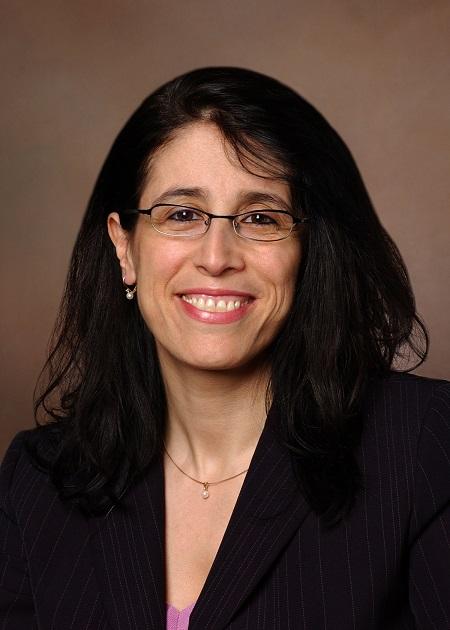
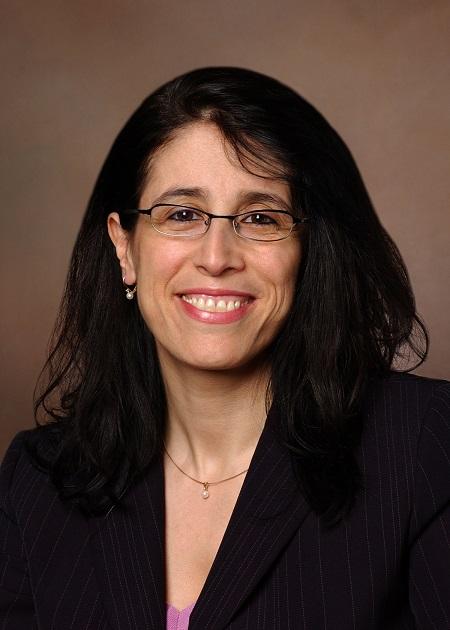
"The question has been how are cancers resisting these treatments," says Sana Karam, MD, PhD, University of Colorado Cancer Center investigator and assistant professor of Radiation Oncology at the CU School of Medicine.
To answer this question, Karam worked with first author and postdoctoral fellow, Shilpa Bhatia, to explore the genetics of tumor samples taken at the time of a patient's first surgery and then again once cancer progressed following treatment.
"By finding what was different between tumors that responded to treatment and those that had learned to resist treatment, we hoped to find some biological predictors or targets that we could exploit or manipulate to improve outcomes," Bhatia says.
What they found is that a pair of genes associated with early brain development but silent in healthy adult tissue had been turned back on in tumor samples that resisted therapy. The genes were EphB4 and its partner ephrin-B2.
"Both of these go up after the patient fails, so we thought, why don't we target them and see if that works," Karam says.
To do this, they used tumor tissue from a patient who had relapsed and grew it in mice. Then mice were split into treatment groups, with some receiving the chemotherapy cisplatin, some receiving the anti-EGFR drug cetuximab, and some receiving radiation alone or in addition to these therapies. In a separate cohort of each group, researchers also added an experimental EphB4-ephrin-B2 inhibitor to treatment.
First, "in the cisplatin arm, tumors laughed at the new inhibitor therapy," Karam says. But in models in which EphB4-ephrin-B2 inhibition was added to treatment with the EGFR inhibitor cetuximab, the addition of EphB4-ephrin-B2 inhibition dramatically reduced tumor size and resulted in better overall survival.
In the researchers' opinion, it may be as if EGFR and EphB4-ephrin-B2 are alternate paths to the same goal. This might explain why EphB4-ephrin-B2 inhibition was unsuccessful when combined with the chemotherapy cisplatin – tumors could continue their growth through EGFR. And it might also explain why EphB4-ephrin-B2 inhibition was successful when combined with cetuximab – with both EGFR and EphB4-ephrin-B2 blocked, tumors had no path to continue their growth.
"EphB4-ephrin-B2 inhibitors are currently in clinical trials in other disease settings, and our work shows that it might be successful in combination with EGFR inhibition in advanced head and neck cancers as well," Karam says.
Ongoing work seeks to discover predictors of response to this combination treatment, possibly pairing EphB4-ephrin-B2 inhibition with patients whose tumors show high levels of these proteins.
Results are published in the journal Clinical Cancer Research.
###
Media Contact
Garth Sundem
[email protected]
@CUAnschutz
http://www.ucdenver.edu
Original Source
http://www.coloradocancerblogs.org/colorado-study-suggests-new-combination-treatment-against-relapsed-head-and-neck-cancer/ http://dx.doi.org/10.1158/1078-0432.CCR-18-0327