• HOME
  • NEWS
  • EXPLORE
    • CAREER
      • Companies
      • Jobs
    • EVENTS
    • iGEM
      • News
      • Team
    • PHOTOS
    • VIDEO
    • WIKI
  • BLOG
  • COMMUNITY
    • FACEBOOK
    • INSTAGRAM
    • TWITTER
Wednesday, January 14, 2026
BIOENGINEER.ORG
No Result
View All Result
  • Login
  • HOME
  • NEWS
  • EXPLORE
    • CAREER
      • Companies
      • Jobs
        • Lecturer
        • PhD Studentship
        • Postdoc
        • Research Assistant
    • EVENTS
    • iGEM
      • News
      • Team
    • PHOTOS
    • VIDEO
    • WIKI
  • BLOG
  • COMMUNITY
    • FACEBOOK
    • INSTAGRAM
    • TWITTER
  • HOME
  • NEWS
  • EXPLORE
    • CAREER
      • Companies
      • Jobs
        • Lecturer
        • PhD Studentship
        • Postdoc
        • Research Assistant
    • EVENTS
    • iGEM
      • News
      • Team
    • PHOTOS
    • VIDEO
    • WIKI
  • BLOG
  • COMMUNITY
    • FACEBOOK
    • INSTAGRAM
    • TWITTER
No Result
View All Result
Bioengineer.org
No Result
View All Result
Home NEWS Science News Health

Wake Forest researchers create advanced brain organoid to model strokes, screen drugs

Bioengineer by Bioengineer
May 29, 2018
in Health
Reading Time: 2 mins read
0
Share on FacebookShare on TwitterShare on LinkedinShare on RedditShare on Telegram
IMAGE

Credit: WFIRM

WINSTON-SALEM, N.C. – May 29, 2018 – Wake Forest Institute for Regenerative Medicine (WFIRM) scientists have developed a 3-D brain organoid that could have potential applications in drug discovery and disease modeling. This is the first engineered tissue equivalent to closely resemble normal human brain anatomy, containing all six major cell types found in normal organs including, neurons and immune cells.

In a study published this month in Scientific Reports, the researchers report that their advanced 3-D organoids promote the formation of a fully cell-based, natural and functional barrier – the blood brain barrier – that mimics normal human anatomy.

The blood brain barrier is a semipermeable membrane that separates the circulating blood from the brain, protecting it from foreign substances that could cause injury. This development is important because the model can help to further understanding of disease mechanisms at the blood brain barrier, the passage of drugs through the barrier, and the effects of drugs once they cross the barrier.

"The shortage of effective therapies and low success rate of investigational drugs are due in part because we do not have a human-like tissue models for testing," said senior author Anthony Atala, M.D., director of WFIRM. "The development of tissue engineered 3D brain tissue equivalents such as these can help advance the science toward better treatments and improve patients' lives."

The development of the model opens the door to speedier drug discovery and screening, both for neurological conditions and for diseases like HIV where pathogens hide in the brain and avoid current treatments that cannot cross the blood brain barrier. It may also allow for disease modeling of neurological conditions such as Alzheimer's disease, multiple sclerosis and Parkinson's disease so that researchers can better understand their pathways and progression.

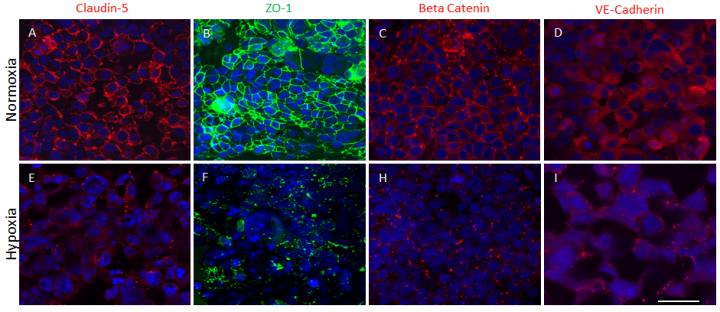
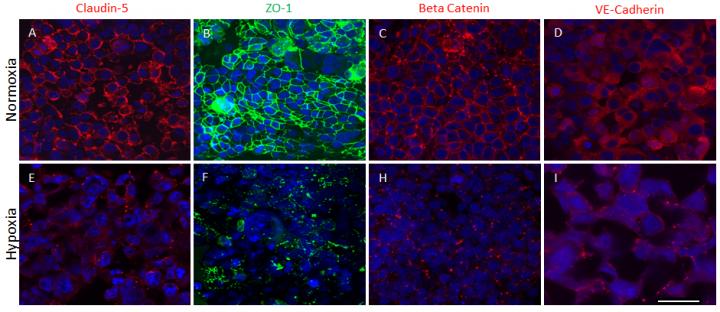
Thus far the researchers have used the brain organoids to mimic strokes in order to measure impairment of the blood brain barrier and have successfully tested the model's permeability with large and small molecules.

"Using an engineered tissue model provides a platform that can be used to understand the fundamental principles at play with the blood brain barrier and its function, as well as the effects of chemical substances that cross it," said Goodwell Nzou, a Ph.D. candidate at WFIRM who co-authored the paper.

###

Co-authors include: John Jackson, Ph.D., and Sean Murphy, Ph.D., WFIRM faculty; Elizabeth Wicks, Stephanie Seale, C.H. Sane, A. Chen, all students who participated in the Summer Scholars program; and Robert Wicks, M.D., Wake Forest Baptist, Neurological Surgery.

The authors declare no competing interests and there was no external funding.

Media contact: Bonnie Davis, [email protected], 336-713-1597.

Media Contact

Bonnie Davis
[email protected]
336-713-1597
@wakehealth

http://www.wfubmc.edu

Related Journal Article

http://dx.doi.org/10.1038/s41598-018-25603-5

Share12Tweet7Share2ShareShareShare1

Related Posts

Pre-Breakfast Hand Bathing Boosts Postoperative Recovery Comfort

January 14, 2026

Exploring Dorstenia barnimiana’s Antioxidant and Antibacterial Properties

January 14, 2026

Pre-Breakfast Bathing Boosts Post-Surgery Comfort in Japan

January 14, 2026

Aging Alters Everolimus Pharmacokinetics in Male Mice

January 14, 2026
Please login to join discussion

POPULAR NEWS

  • Enhancing Spiritual Care Education in Nursing Programs

    155 shares
    Share 62 Tweet 39
  • PTSD, Depression, Anxiety in Childhood Cancer Survivors, Parents

    147 shares
    Share 59 Tweet 37
  • Robotic Ureteral Reconstruction: A Novel Approach

    73 shares
    Share 29 Tweet 18
  • Study Reveals Lipid Accumulation in ME/CFS Cells

    52 shares
    Share 21 Tweet 13

About

We bring you the latest biotechnology news from best research centers and universities around the world. Check our website.

Follow us

Recent News

Pre-Breakfast Hand Bathing Boosts Postoperative Recovery Comfort

Exploring Dorstenia barnimiana’s Antioxidant and Antibacterial Properties

Pre-Breakfast Bathing Boosts Post-Surgery Comfort in Japan

Subscribe to Blog via Email

Enter your email address to subscribe to this blog and receive notifications of new posts by email.

Join 71 other subscribers
  • Contact Us

Bioengineer.org © Copyright 2023 All Rights Reserved.

Welcome Back!

Login to your account below

Forgotten Password?

Retrieve your password

Please enter your username or email address to reset your password.

Log In
No Result
View All Result
  • Homepages
    • Home Page 1
    • Home Page 2
  • News
  • National
  • Business
  • Health
  • Lifestyle
  • Science

Bioengineer.org © Copyright 2023 All Rights Reserved.