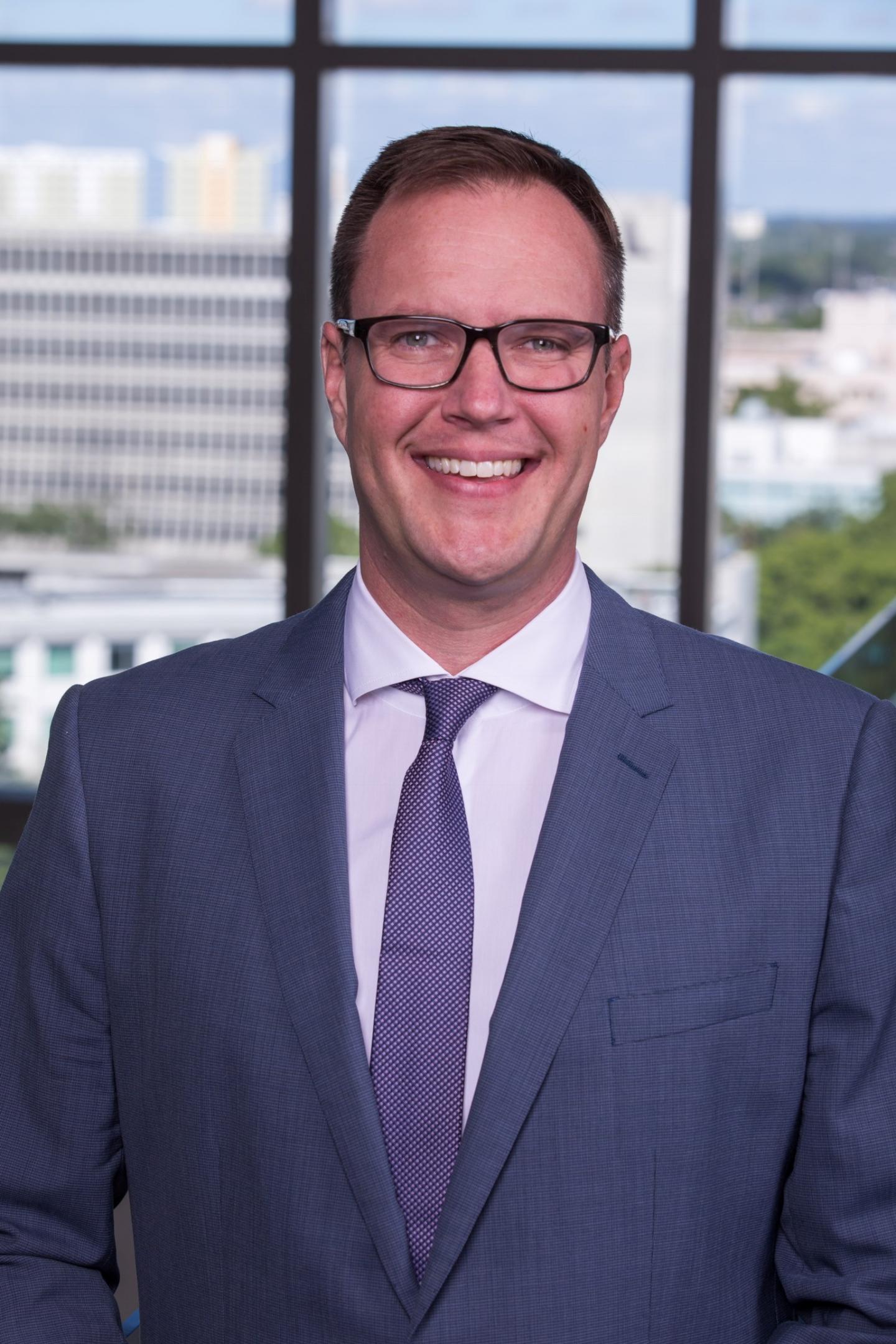
Credit: University of Miami Miller School of Medicine
A researcher at the University of Miami Miller School of Medicine has found that the use of stimulants, such as methamphetamine, can negatively affect the health of HIV-positive persons even when they are adhering to medical treatment.
"Stimulant use may accelerate HIV disease progression through biological and behavioral pathways," said Adam Carrico, Ph.D., associate professor of Public Health Sciences and Psychology. "But if we can identify the biological pathways, then we can develop new approaches to optimize the health of active stimulant users who are living with HIV."
Carrico was the lead author of a study, "Recent Stimulant Use and Leukocyte Gene Expression in Methamphetamine Users with Treated HIV Infection," published in the journal Brain, Behavior, and Immunity. The collaborative study, conducted with researchers at the University of California San Francisco, University of California Los Angeles, and New York University, involved epigenetic analyses of samples from 55 HIV-positive, methamphetamine-using men who were receiving effective anti-retroviral therapy.
"We found a differential expression of 32 genes and perturbation of 168 pathways in recent stimulant users, including genes previously associated with the HIV reservoir, immune activation, and inflammation," said Carrico.
Carrico has done extensive research on strategies to boost the effectiveness of HIV/AIDS anti-retroviral therapy with individuals who use stimulants. "Anti-retroviral therapy is often successful in suppressing HIV in the blood," he said. "However, the virus typically remains in reservoirs, such as the lymph nodes and inside some immune cells."
This study indicates that stimulants affect pathways in the immune system that allow HIV to become more active and could expand the reservoir. "The differences in gene expression we observed in recent stimulant users are like flipping switches that turn on parts of the immune system that expand the HIV reservoir," Carrico said.
Carrico said the study's findings could be helpful in the ongoing quest to find a cure for HIV. "Maybe these pathways can help us to understand how we can 'wake up' the virus and pull it out of hiding; some of these pathways could become targets for potential biomedical treatments targeting the HIV reservoir," he said.
"We are now testing behavioral interventions in San Francisco and Miami that are designed to reduce stimulant use in people living with HIV," Carrico said. "Hopefully, decreasing the use of stimulants like methamphetamine will allow for better control of the HIV viral load and could even directly improve the immune system."
Carrico was also lead author of a second study, "Substance-Associated Elevations in Monocyte Activation Among Methamphetamine Users with Treated HIV Infection," now in press in the journal AIDS. In 84 virally suppressed HIV-positive, methamphetamine-using men his team found that those with evidence of recent stimulant use displayed greater soluble CD14 (sCD14). This is a clinically relevant marker of monocyte activation that predicts faster clinical HIV progression and cardiovascular disease.
Carrico's research program at the Miller School focuses on developing and testing interventions that address the biopsychosocial vulnerabilities to optimizing HIV/AIDS prevention in substance users. This summer, Carrico will present his study findings at the University of Cape Town, where he will serve as a visiting scholar.
###
Media Contact
Kai Hill
[email protected]
305-332-3189
http://www.med.miami.edu/