• HOME
  • NEWS
  • EXPLORE
    • CAREER
      • Companies
      • Jobs
    • EVENTS
    • iGEM
      • News
      • Team
    • PHOTOS
    • VIDEO
    • WIKI
  • BLOG
  • COMMUNITY
    • FACEBOOK
    • INSTAGRAM
    • TWITTER
Monday, February 9, 2026
BIOENGINEER.ORG
No Result
View All Result
  • Login
  • HOME
  • NEWS
  • EXPLORE
    • CAREER
      • Companies
      • Jobs
        • Lecturer
        • PhD Studentship
        • Postdoc
        • Research Assistant
    • EVENTS
    • iGEM
      • News
      • Team
    • PHOTOS
    • VIDEO
    • WIKI
  • BLOG
  • COMMUNITY
    • FACEBOOK
    • INSTAGRAM
    • TWITTER
  • HOME
  • NEWS
  • EXPLORE
    • CAREER
      • Companies
      • Jobs
        • Lecturer
        • PhD Studentship
        • Postdoc
        • Research Assistant
    • EVENTS
    • iGEM
      • News
      • Team
    • PHOTOS
    • VIDEO
    • WIKI
  • BLOG
  • COMMUNITY
    • FACEBOOK
    • INSTAGRAM
    • TWITTER
No Result
View All Result
Bioengineer.org
No Result
View All Result
Home NEWS Science News Health

University of Houston researcher takes new approach to antibiotic tolerance

Bioengineer by Bioengineer
April 3, 2018
in Health
Reading Time: 2 mins read
0
Share on FacebookShare on TwitterShare on LinkedinShare on RedditShare on Telegram
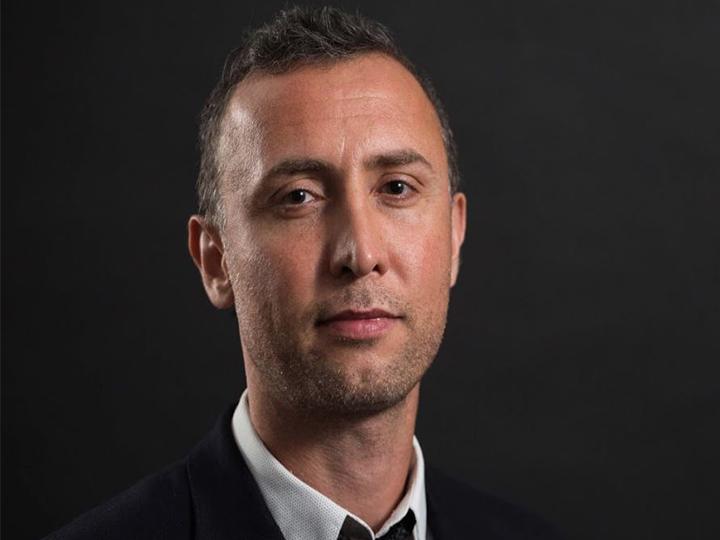
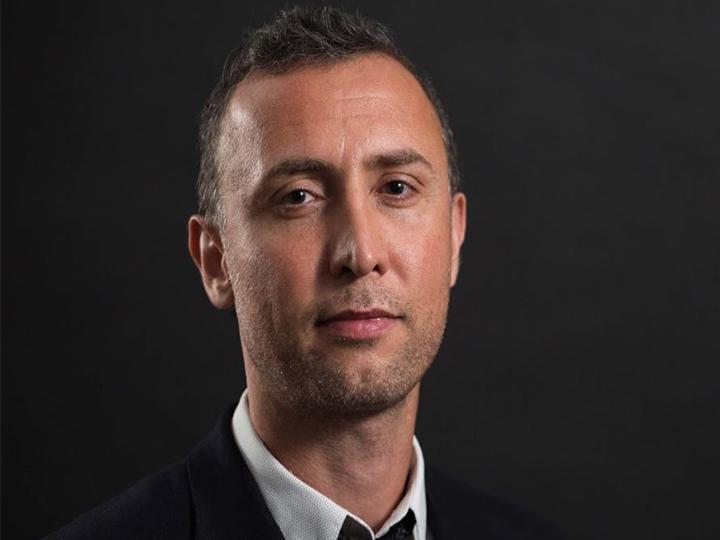
IMAGE

Credit: University of Houston

With a perfect score on his research proposal, chemical and biomolecular engineering researcher Mehmet Orman received the National Institute of Allergy and Infectious Diseases (NIAID) Career Transition Award, meant to help initiate a successful bioengineering career as an independent research scientist. Orman will use the $250,000 prize to investigate cells that are resistant to antibiotics.

"A small fraction of cells in bacterial populations enter a dormant state. Once these cells become dormant, they intrinsically become tolerant to extraordinary levels of antibiotics," said Orman. Conventional antibiotics function by targeting the mechanisms that enable the rapid growth of bacterial cell populations, but since the cells don't grow while dormant, the antibiotics have little chance to work.

Eventually, these persister cells, as they are called, wake up and regain their ability to proliferate. Because of this, persister cells are thought to facilitate the recurrence of infections, and they serve as a reservoir for the emergence of drug resistant mutants. Recurrent infections are generally associated with biofilms, a slimy bacterial film in which persister cells are significantly enriched and can evade the host immune system. Biofilm infections, such as airway infections in cystic fibrosis patients, chronic obstructive pulmonary diseases, chronic wound infections, or infections caused by medical devices or prostheses, pose a significant health care problem in the United States.

Using E. coli as a model organism, Orman is aiming to identify and explore the mechanisms in bacterial cells that lead to dormant cell formation to discover new therapeutic strategies that eliminate bacterial persisters.

"I'm going to perform a high-throughput screening to identify candidate genes that regulate the cell dormancy in bacteria," said Orman. "Then, I can focus on those genes individually and see how they impact the persister levels of the bacterial cells." The high-throughput screening process allows Orman to screen a large number of genes rapidly.

Orman has been dogged in the study of these stubborn cells. Previously he developed the first methods to directly measure the metabolism of these rare and transient persister cells. He has also developed cell sorting strategies to segregate persisters from highly heterogeneous bacterial cell populations. He will be using these methods in his current research project.

"The physiology of persisters has remained elusive and hindered progress toward eliminating them," said Orman.

###

Media Contact

Laurie Fickman
[email protected]
713-743-8454
@UH_News

http://www.uh.edu/news-events

Original Source

http://www.uh.edu/news-events/stories/2018/april-2018/04032018-orman-antibiotic-persisters.php

Share12Tweet8Share2ShareShareShare2

Related Posts

Intensive Short-Duration Exercise Outperforms Standard Care in Treating Panic Disorder

Intensive Short-Duration Exercise Outperforms Standard Care in Treating Panic Disorder

February 9, 2026

Exercise’s Impact on SASP Biomarkers in Seniors Unexplored

February 9, 2026

UK’s Rising Synthetic Opioid Crisis: Nitazene-Linked Deaths May Be Underreported by Up to 33%

February 9, 2026

Evaluating Digital Diabetes Screening’s B2C Potential in Switzerland

February 8, 2026
Please login to join discussion

POPULAR NEWS

  • Robotic Ureteral Reconstruction: A Novel Approach

    Robotic Ureteral Reconstruction: A Novel Approach

    82 shares
    Share 33 Tweet 21
  • Digital Privacy: Health Data Control in Incarceration

    63 shares
    Share 25 Tweet 16
  • Mapping Tertiary Lymphoid Structures for Kidney Cancer Biomarkers

    50 shares
    Share 20 Tweet 13
  • Breakthrough in RNA Research Accelerates Medical Innovations Timeline

    53 shares
    Share 21 Tweet 13

About

We bring you the latest biotechnology news from best research centers and universities around the world. Check our website.

Follow us

Recent News

Intensive Short-Duration Exercise Outperforms Standard Care in Treating Panic Disorder

Exercise’s Impact on SASP Biomarkers in Seniors Unexplored

UK’s Rising Synthetic Opioid Crisis: Nitazene-Linked Deaths May Be Underreported by Up to 33%

Subscribe to Blog via Email

Enter your email address to subscribe to this blog and receive notifications of new posts by email.

Join 74 other subscribers
  • Contact Us

Bioengineer.org © Copyright 2023 All Rights Reserved.

Welcome Back!

Login to your account below

Forgotten Password?

Retrieve your password

Please enter your username or email address to reset your password.

Log In
No Result
View All Result
  • Homepages
    • Home Page 1
    • Home Page 2
  • News
  • National
  • Business
  • Health
  • Lifestyle
  • Science

Bioengineer.org © Copyright 2023 All Rights Reserved.