

• HOME
  • NEWS
  • EXPLORE
    • CAREER
      • Companies
      • Jobs
    • EVENTS
    • iGEM
      • News
      • Team
    • PHOTOS
    • VIDEO
    • WIKI
  • BLOG
  • COMMUNITY
    • FACEBOOK
    • INSTAGRAM
    • TWITTER
Saturday, February 7, 2026
BIOENGINEER.ORG
No Result
View All Result
  • Login
  • HOME
  • NEWS
  • EXPLORE
    • CAREER
      • Companies
      • Jobs
        • Lecturer
        • PhD Studentship
        • Postdoc
        • Research Assistant
    • EVENTS
    • iGEM
      • News
      • Team
    • PHOTOS
    • VIDEO
    • WIKI
  • BLOG
  • COMMUNITY
    • FACEBOOK
    • INSTAGRAM
    • TWITTER
  • HOME
  • NEWS
  • EXPLORE
    • CAREER
      • Companies
      • Jobs
        • Lecturer
        • PhD Studentship
        • Postdoc
        • Research Assistant
    • EVENTS
    • iGEM
      • News
      • Team
    • PHOTOS
    • VIDEO
    • WIKI
  • BLOG
  • COMMUNITY
    • FACEBOOK
    • INSTAGRAM
    • TWITTER
No Result
View All Result
Bioengineer.org
No Result
View All Result
Home NEWS Science News Biology

Gene boosts rice growth and yield in salty soil

Bioengineer by Bioengineer
March 23, 2018
in Biology
Reading Time: 2 mins read
0
Share on FacebookShare on TwitterShare on LinkedinShare on RedditShare on Telegram
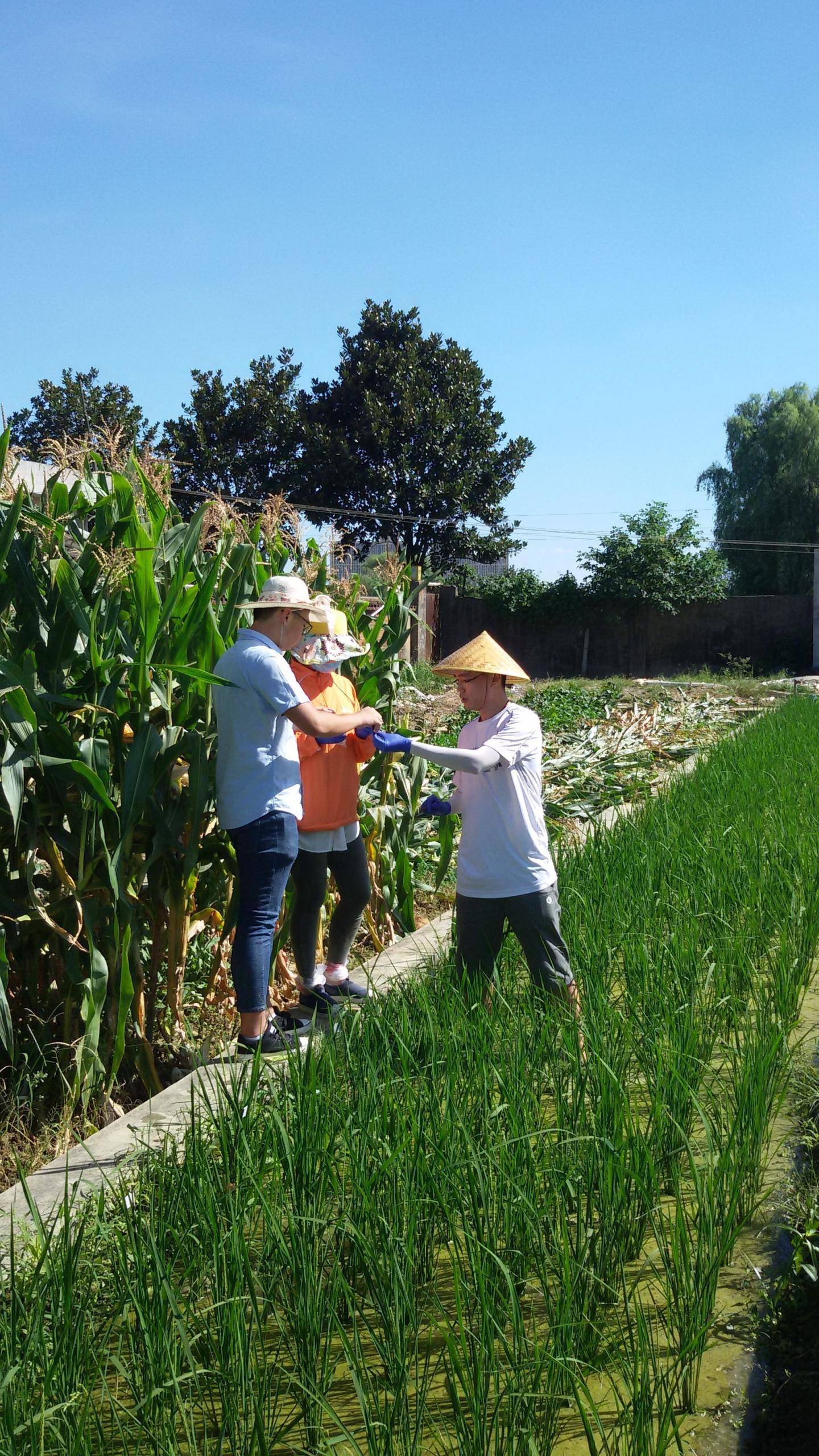
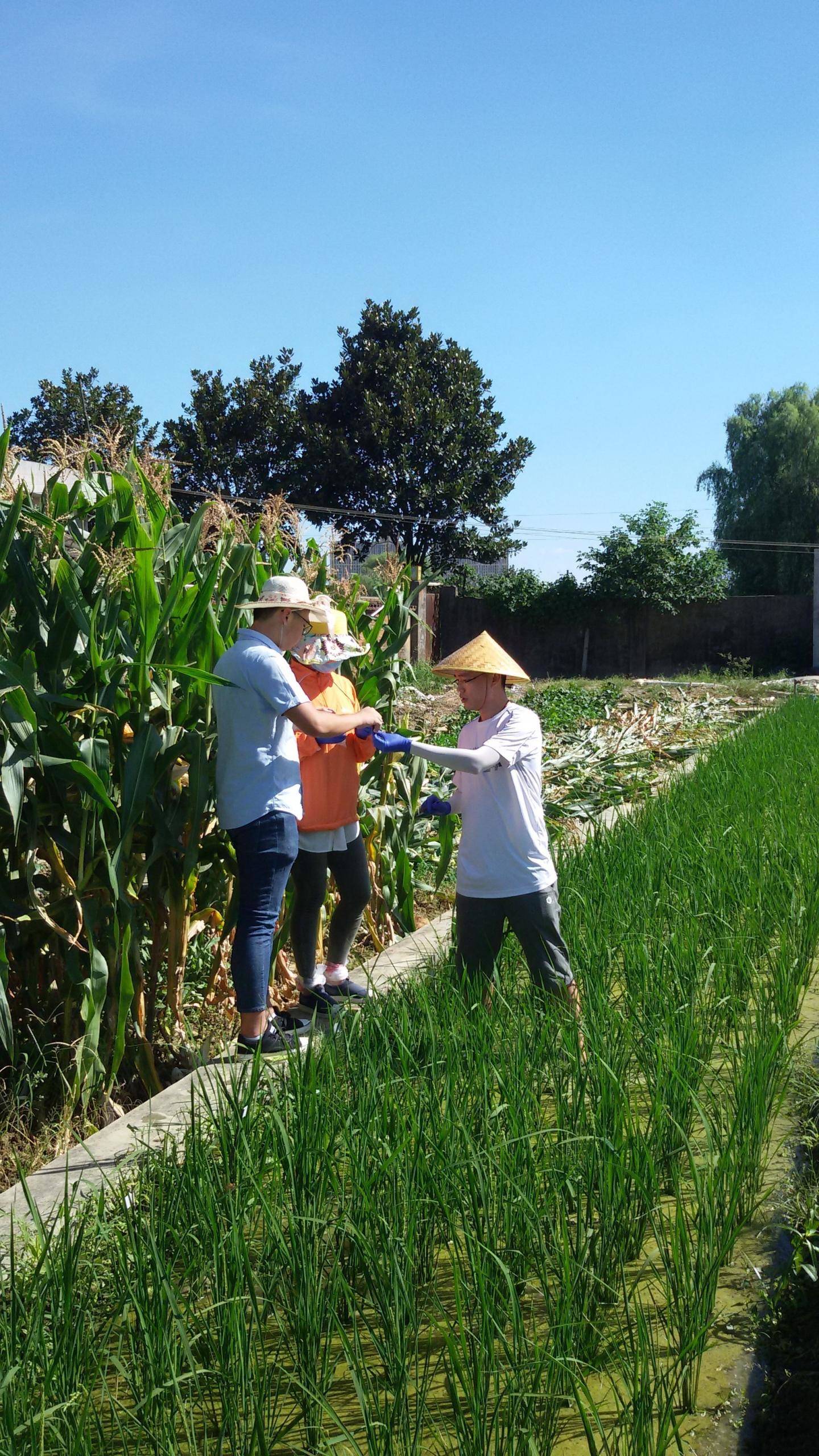
IMAGE

Credit: Jianzhong Lin

Around 20% of the world's irrigated land is considered to contain elevated concentrations of salt, and the soil continues to get saltier as the climate warms. Agricultural production is hard hit by soil salinity; salt stress reduces the growth and yield of most plants, resulting in billions of dollars in crop yield losses annually. Rice–the staple food of more than half the world's population–is particularly sensitive to salty soil, with even moderate levels of salt resulting in substantial yield losses. There is thus an urgent need to develop rice lines that can withstand salty conditions.

A team of scientists led by Jian-Zhong Lin and Xuan-Ming Liu of Hunan University in Changsha, China recently identified a gene that contributes to salt stress tolerance in rice. The gene, which they named STRK1 (salt tolerance receptor-like cytoplasmic kinase 1), was activated under salt stress conditions. The researchers generated two sets of transgenic plants, one in which STRK1 was expressed at high levels, and the other in which expression was greatly reduced. Under regular growth conditions, both sets of transgenic plants appeared normal. However, when challenged with salt, the transgenic plants with elevated STRK1 expression were greener and larger than the non-transgenic control plants, and those with reduced levels of STRK1 expression were smaller and browner than the controls.

Next, the team examined the effect of STRK1 on yield. "Notably, overexpression of STRK1 in rice not only improved growth but also markedly limited the grain yield loss under salt stress conditions," said Jian-Zhong Lin.

The team then turned their attention to deciphering the mechanism by which STRK1 enhances the plant's tolerance to salt. Salt stress triggers the production of potentially harmful reactive oxygen species, such as hydrogen peroxide, in plant cells. The group found that STRK1 (the protein encoded by STRK1) interacts with and activates a protein named CatC, which belongs to a family of proteins that decomposes hydrogen peroxide into water and oxygen. Thus, STRK1 increases the plant's tolerance to salt stress by keeping the levels of hydrogen peroxide in check, and thereby minimizing the damage caused by accumulating reactive oxygen species.

These exciting findings bring the research community closer to developing rice plants that thrive in salty soil. "Agricultural productivity is increasingly threatened by the salinization of irrigated farmland…Our work demonstrates that STRK1 is a promising candidate gene for protection of yield in crop plants exposed to salt stress," stated Xuan-Ming Liu.

###

Media Contact

Tyrone Spady, PhD
[email protected]
301-296-0934
@ASPB

Home

Original Source

https://aspb.org/wp-content/uploads/2016/09/Gene-Boosts-Rice-Growth-and-Yield-in-Salty-Soil.pdf http://dx.doi.org/10.1105/tpc.17.01000


Share12Tweet8Share2ShareShareShare2

Related Posts

Florida Cane Toad: Complex Spread and Selective Evolution

Florida Cane Toad: Complex Spread and Selective Evolution

February 7, 2026
New Study Uncovers Mechanism Behind Burn Pit Particulate Matter–Induced Lung Inflammation

New Study Uncovers Mechanism Behind Burn Pit Particulate Matter–Induced Lung Inflammation

February 6, 2026

DeepBlastoid: Advancing Automated and Efficient Evaluation of Human Blastoids with Deep Learning

February 6, 2026

Navigating the Gut: The Role of Formic Acid in the Microbiome

February 6, 2026
Please login to join discussion

POPULAR NEWS

  • Robotic Ureteral Reconstruction: A Novel Approach

    Robotic Ureteral Reconstruction: A Novel Approach

    82 shares
    Share 33 Tweet 21
  • Digital Privacy: Health Data Control in Incarceration

    63 shares
    Share 25 Tweet 16
  • Study Reveals Lipid Accumulation in ME/CFS Cells

    57 shares
    Share 23 Tweet 14
  • Breakthrough in RNA Research Accelerates Medical Innovations Timeline

    53 shares
    Share 21 Tweet 13

About

We bring you the latest biotechnology news from best research centers and universities around the world. Check our website.

Follow us

Recent News

Evaluating Pediatric Emergency Care Quality in Ethiopia

TPMT Expression Predictions Linked to Azathioprine Side Effects

Improving Dementia Care with Enhanced Activity Kits

Subscribe to Blog via Email

Success! An email was just sent to confirm your subscription. Please find the email now and click 'Confirm' to start subscribing.

Join 73 other subscribers
  • Contact Us

Bioengineer.org © Copyright 2023 All Rights Reserved.

Welcome Back!

Login to your account below

Forgotten Password?

Retrieve your password

Please enter your username or email address to reset your password.

Log In
No Result
View All Result
  • Homepages
    • Home Page 1
    • Home Page 2
  • News
  • National
  • Business
  • Health
  • Lifestyle
  • Science

Bioengineer.org © Copyright 2023 All Rights Reserved.