• HOME
  • NEWS
  • EXPLORE
    • CAREER
      • Companies
      • Jobs
    • EVENTS
    • iGEM
      • News
      • Team
    • PHOTOS
    • VIDEO
    • WIKI
  • BLOG
  • COMMUNITY
    • FACEBOOK
    • INSTAGRAM
    • TWITTER
Thursday, April 2, 2026
BIOENGINEER.ORG
No Result
View All Result
  • Login
  • HOME
  • NEWS
  • EXPLORE
    • CAREER
      • Companies
      • Jobs
        • Lecturer
        • PhD Studentship
        • Postdoc
        • Research Assistant
    • EVENTS
    • iGEM
      • News
      • Team
    • PHOTOS
    • VIDEO
    • WIKI
  • BLOG
  • COMMUNITY
    • FACEBOOK
    • INSTAGRAM
    • TWITTER
  • HOME
  • NEWS
  • EXPLORE
    • CAREER
      • Companies
      • Jobs
        • Lecturer
        • PhD Studentship
        • Postdoc
        • Research Assistant
    • EVENTS
    • iGEM
      • News
      • Team
    • PHOTOS
    • VIDEO
    • WIKI
  • BLOG
  • COMMUNITY
    • FACEBOOK
    • INSTAGRAM
    • TWITTER
No Result
View All Result
Bioengineer.org
No Result
View All Result
Home NEWS Science News Health

Why hospital staff sympathize with patients who self-discharge

Bioengineer by Bioengineer
March 22, 2018
in Health
Reading Time: 2 mins read
0
Share on FacebookShare on TwitterShare on LinkedinShare on RedditShare on Telegram
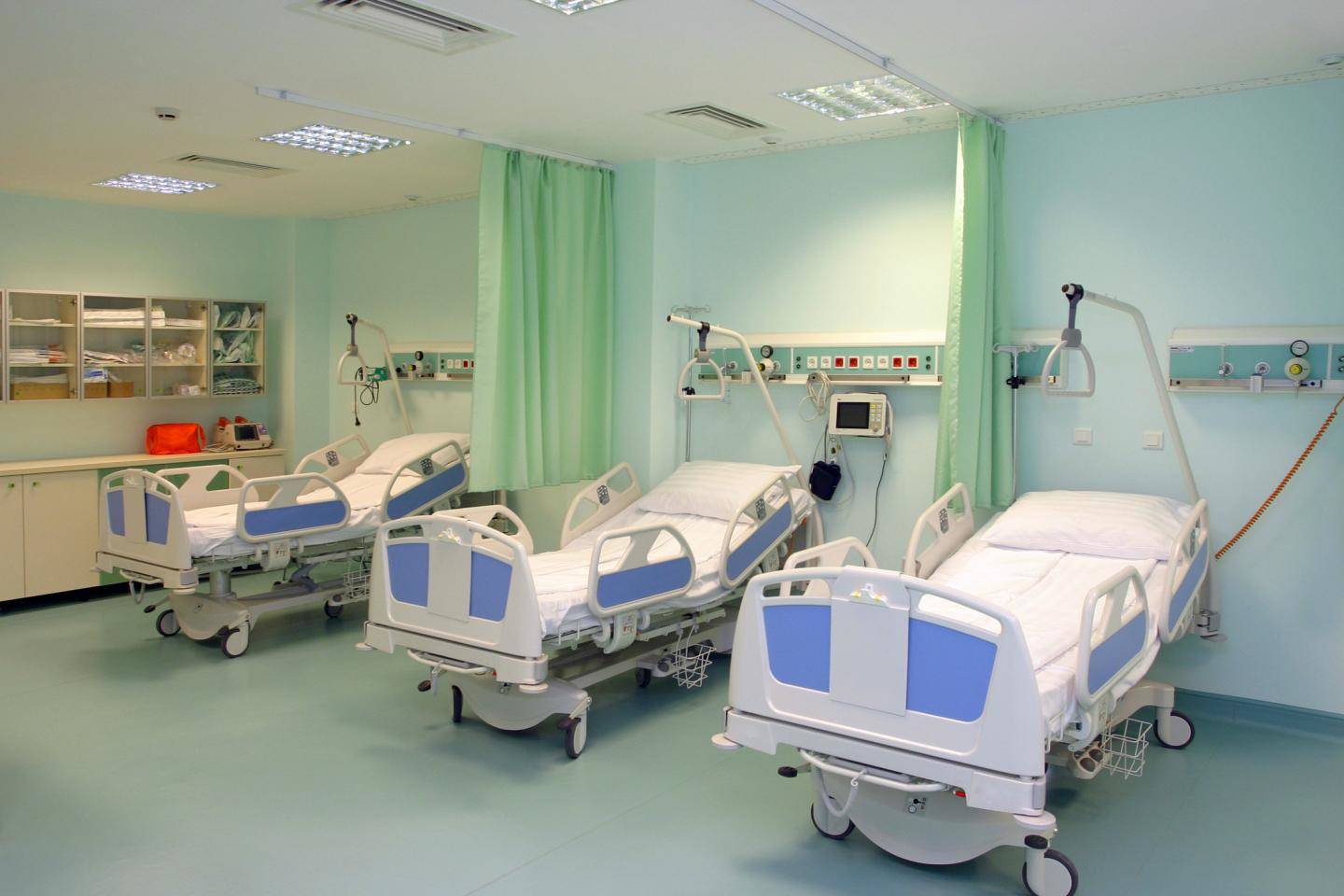
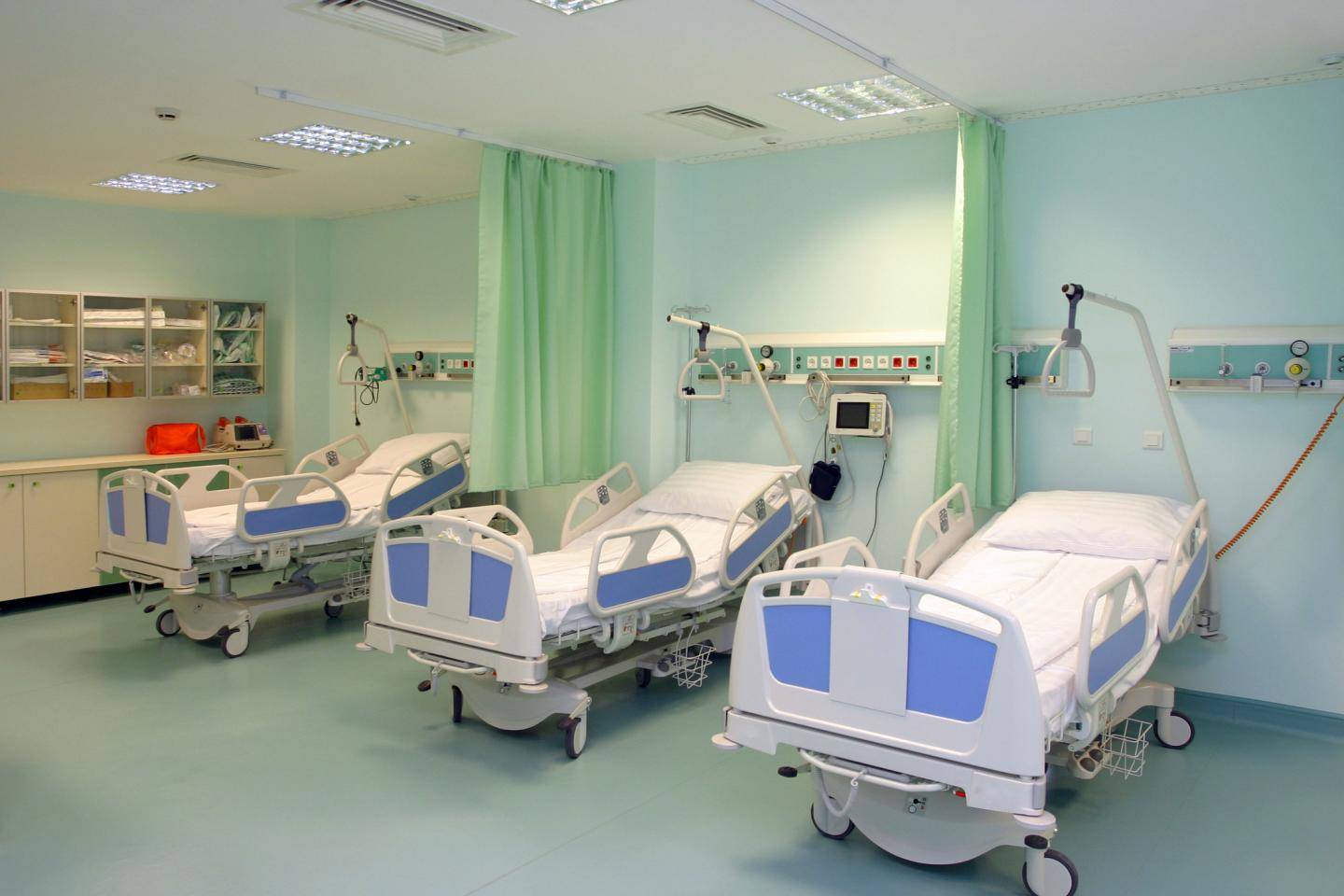
IMAGE

Credit: Lancaster University

Patients who discharge themselves from hospital should be viewed more positively say researchers, who discovered sympathy for their decision among hospital staff.

One doctor said: "…if patients are ill, where they want to be is at home where they feel most comfortable."

Approximately 2% to 3% of patients discharge themselves from hospital against medical advice each year in the UK and US, with the numbers increasing each year.

Figures on self discharge are hard to come by, but best estimates suggest that self-discharge financially affects already strained health care systems with patients who self discharge costing over 50% more.

Many people who self discharge return to hospital, with readmissions costing £300 million in the UK and $2.6 billion in the US.

But Dr Laura Machin and Dr Dawn Goodwin of Lancaster University, with Dr David Warriner from Sheffield Teaching Hospitals NHS Foundation Trust argue that viewing self-discharge negatively is "out of step with contemporary values of patient-centered health care".

They argue that the terms used to describe this – "discharge against medical advice, an unauthorized discharge" – reinforces the view that patients have acted inappropriately.

In the UK, patients have the legal right to determine whether they wish to stay in hospital or not, providing they are above 16 and not detained under the Mental Health Act.

Many health staff expressed sympathy for their decision, with one doctor saying "they're scared of what will go on in hospital . . . It's okay to be scared."

A nurse said: "We are waking them up in the middle of the night to check their observations, we've got patients coming and going and monitors going off, you get why somebody would much rather be at home in their own bed using their own facilities."

Some patients stressed it was not poor care but distress at living on a hospital ward which prompted their decision.

"I don't like being in hospital. I didn't like being in the ward environment even though it was actually very good. The staff were very good . . . So as long as I felt safe I just preferred to leave really."

Some even saw their departure as reducing the workload of hospital staff

"I thought if I come out there will be one less bed to look after."

Health care staff saw self discharge as a response to the lack of control patients experienced.

"Sometimes it's lack of empowerment that makes them want to do that in the first place if they don't feel that they've got any control over what's happening to them. "

The researchers say that viewing self discharge in a more positive way enables staff to demonstrate compassion toward patients.

###

Media Contact

Gillian Whitworth
[email protected]
01-524-592-612

http://www.lancs.ac.uk

Related Journal Article

http://dx.doi.org/10.1177/1049732318754514

Share13Tweet8Share2ShareShareShare2

Related Posts

Targeting Master Regulators: A Unified Cancer Therapy

April 2, 2026

Gut Microbiota and SCFA Biomarkers in Early PD Diagnosis

April 1, 2026

Lack of Access to Dental Care Linked to Increased Risk of Cardiovascular Disease and Dementia

April 1, 2026

Breakthrough Gene Editing Therapy Offers Hope for Severe Sickle Cell Disease

April 1, 2026
Please login to join discussion

POPULAR NEWS

  • blank

    Revolutionary AI Model Enhances Precision in Detecting Food Contamination

    96 shares
    Share 38 Tweet 24
  • Imagine a Social Media Feed That Challenges Your Views Instead of Reinforcing Them

    1007 shares
    Share 398 Tweet 249
  • Promising Outcomes from First Clinical Trials of Gene Regulation in Epilepsy

    51 shares
    Share 20 Tweet 13
  • Popular Anti-Aging Compound Linked to Damage in Corpus Callosum, Study Finds

    44 shares
    Share 18 Tweet 11

About

We bring you the latest biotechnology news from best research centers and universities around the world. Check our website.

Follow us

Recent News

From Algae Waste to High-Performance Filters: Innovative Biochar Membranes Boost Wastewater Purification

Study Finds Hydrochar Enhances Soil Carbon Storage and Structure More Effectively Than Biochar

Five-Year Study Uncovers Smarter Biochar Approach to Slash Methane Emissions in Rice Paddies

Subscribe to Blog via Email

Success! An email was just sent to confirm your subscription. Please find the email now and click 'Confirm' to start subscribing.

Join 78 other subscribers
  • Contact Us

Bioengineer.org © Copyright 2023 All Rights Reserved.

Welcome Back!

Login to your account below

Forgotten Password?

Retrieve your password

Please enter your username or email address to reset your password.

Log In
No Result
View All Result
  • Homepages
    • Home Page 1
    • Home Page 2
  • News
  • National
  • Business
  • Health
  • Lifestyle
  • Science

Bioengineer.org © Copyright 2023 All Rights Reserved.