• HOME
  • NEWS
  • EXPLORE
    • CAREER
      • Companies
      • Jobs
    • EVENTS
    • iGEM
      • News
      • Team
    • PHOTOS
    • VIDEO
    • WIKI
  • BLOG
  • COMMUNITY
    • FACEBOOK
    • INSTAGRAM
    • TWITTER
Monday, May 18, 2026
BIOENGINEER.ORG
No Result
View All Result
  • Login
  • HOME
  • NEWS
  • EXPLORE
    • CAREER
      • Companies
      • Jobs
        • Lecturer
        • PhD Studentship
        • Postdoc
        • Research Assistant
    • EVENTS
    • iGEM
      • News
      • Team
    • PHOTOS
    • VIDEO
    • WIKI
  • BLOG
  • COMMUNITY
    • FACEBOOK
    • INSTAGRAM
    • TWITTER
  • HOME
  • NEWS
  • EXPLORE
    • CAREER
      • Companies
      • Jobs
        • Lecturer
        • PhD Studentship
        • Postdoc
        • Research Assistant
    • EVENTS
    • iGEM
      • News
      • Team
    • PHOTOS
    • VIDEO
    • WIKI
  • BLOG
  • COMMUNITY
    • FACEBOOK
    • INSTAGRAM
    • TWITTER
No Result
View All Result
Bioengineer.org
No Result
View All Result
Home NEWS Science News Biology

Spring is springing earlier in polar regions than across the rest of earth

Bioengineer by Bioengineer
March 4, 2018
in Biology
Reading Time: 2 mins read
0
Share on FacebookShare on TwitterShare on LinkedinShare on RedditShare on Telegram
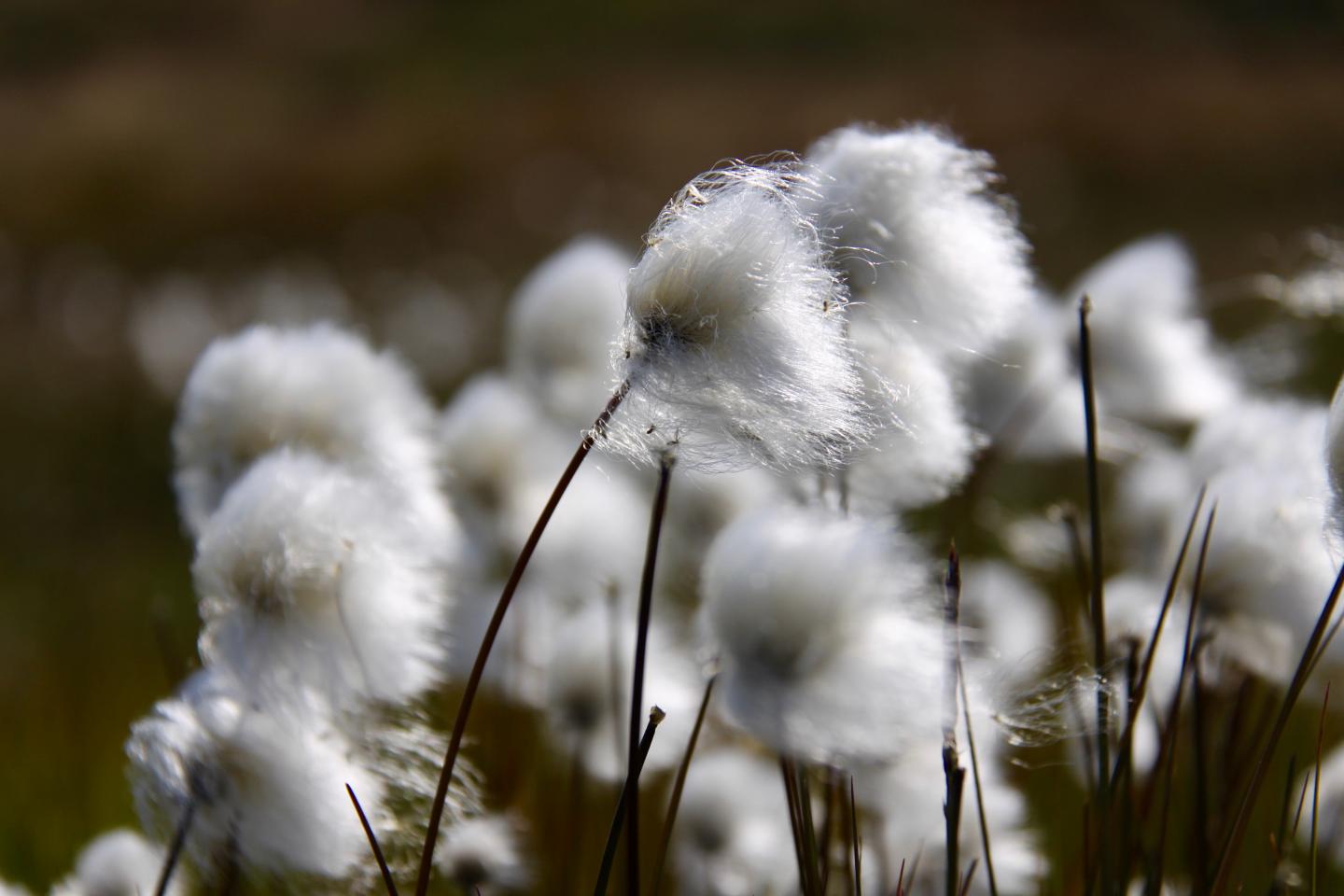
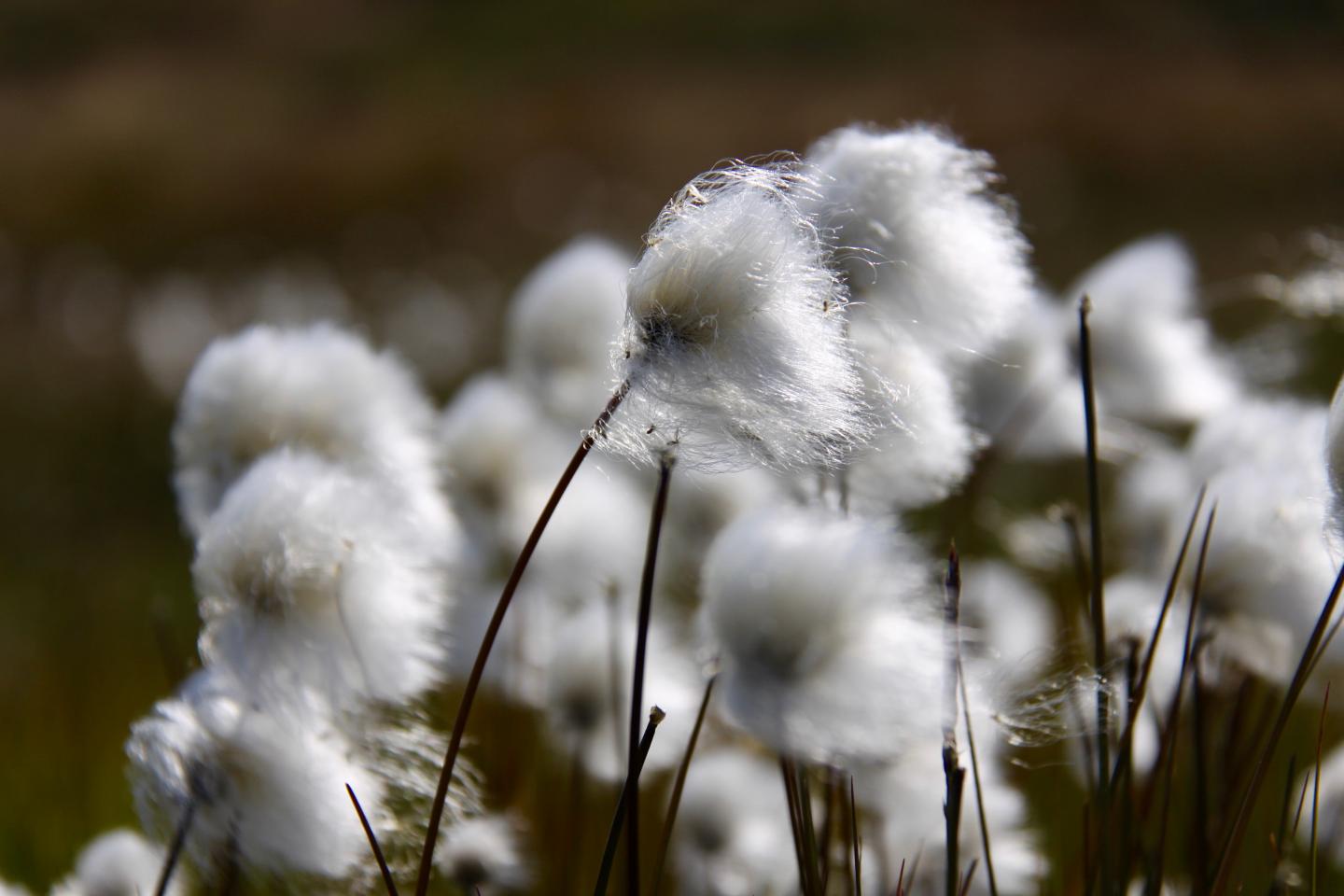
IMAGE

Credit: Eric Post/UC Davis

Spring is arriving earlier, but how much earlier? The answer depends where on Earth you find yourself, according to a study led by the University of California, Davis.

The study, published in Nature's online journal Scientific Reports, found that for every 10 degrees north from the equator you move, spring arrives about four days earlier than it did a decade ago. This northward increase in the rate of springtime advance is roughly three times greater than what previous studies have indicated.

For example, at southern to mid latitudes such as Los Angeles, New Orleans, or Dallas, the study suggests spring might be arriving a mere one day earlier than it did a decade ago. Farther north, in Seattle, Chicago, or Washington DC, it might be arriving four days earlier. And if you live in the Arctic, it might be arriving as much as 16 days earlier.

"This study verifies observations that have been circulating in the scientific community and popular reports for years," said lead author Eric Post, a Fellow of the John Muir Institute and polar ecologist in the UC Davis Department of Wildlife, Fish and Conservation Biology. "Yes, spring is arriving earlier, and the Arctic is experiencing greater advances of spring than lower latitudes. What our study adds is that we connect such differences to more rapid springtime warming at higher latitudes."

ACCELERATED SPRING

The study is the most comprehensive analysis to date of springtime advance, or phenology, as you move north with latitude. Such signs include birds migrating, flowers blooming, amphibians calling and the emergence of leaves.

The researchers analyzed 743 previously published estimates of the rate of springtime advance from studies spanning 86 years across the Northern Hemisphere, as well as rates of springtime warming over the same range of years and latitude. Even after accounting for differences in the length, time, and location of those previous studies, the relationship between earlier springs and higher latitudes was strong.

UNKNOWNS FOR MIGRATORY SPECIES

Springtime provides important biological cues for many plant and animal species, and it is unclear how an accelerated spring could play out for these species across the planet.

The study notes that impacts to migratory birds are a potential concern. Many birds move from tropical zones to higher latitudes, such as the Arctic, to breed.

"Whatever cues they're relying on to move northward for spring might not be reliable predictors of food availability once they get there if the onset of spring at these higher latitudes is amplified by future warming," Post said. "The springtime emergence of the plants and insects they'll eat when they arrive is happening faster than the changes at the lower latitudes those birds are departing from."

###

The study's co-authors are Byron Steinman from the University of Minnesota Duluth, and Michael Mann from Pennsylvania State University.

The research received financial support from the National Science Foundation.

The study will be available at http://www.nature.com/articles/s41598-018-22258-0.

Media Contact

Kat Kerlin
[email protected]
530-752-7704
@ucdavisnews

http://www.ucdavis.edu

Related Journal Article

http://dx.doi.org/10.1038/s41598-018-22258-0

Share12Tweet8Share2ShareShareShare2

Related Posts

Uncovering C. elegans Immunity via Genetic Screens — Biology

Uncovering C. elegans Immunity via Genetic Screens

May 16, 2026
Single mother must adapt swiftly — the survival of her colony depends on it — Biology

Single mother must adapt swiftly — the survival of her colony depends on it

May 15, 2026

Why Are Nearly Everyone Right-Handed? It Might Be Linked to How We Learned to Walk

May 15, 2026

Excessive Neuronal Activity Initiates Severe Autoimmune Brain Disorder

May 15, 2026
Please login to join discussion

POPULAR NEWS

  • Research Indicates Potential Connection Between Prenatal Medication Exposure and Elevated Autism Risk

    844 shares
    Share 338 Tweet 211
  • New Study Reveals Plants Can Detect the Sound of Rain

    731 shares
    Share 292 Tweet 182
  • Salmonella Haem Blocks Macrophages, Boosts Infection

    62 shares
    Share 25 Tweet 16
  • Breastmilk Balances E. coli and Beneficial Bacteria in Infant Gut Microbiomes

    58 shares
    Share 23 Tweet 15

About

We bring you the latest biotechnology news from best research centers and universities around the world. Check our website.

Follow us

Recent News

Unraveling Nanoscale Chirality via Momentum Polarimetry

Controlling Surrounding Rock Failure in Coal Pillar Retreats

Gut Microbiome Nitrogen Shift Boosts Ulcerative Colitis Treatment

Subscribe to Blog via Email

Success! An email was just sent to confirm your subscription. Please find the email now and click 'Confirm' to start subscribing.

Join 82 other subscribers
  • Contact Us

Bioengineer.org © Copyright 2023 All Rights Reserved.

Welcome Back!

Login to your account below

Forgotten Password?

Retrieve your password

Please enter your username or email address to reset your password.

Log In
No Result
View All Result
  • Homepages
    • Home Page 1
    • Home Page 2
  • News
  • National
  • Business
  • Health
  • Lifestyle
  • Science

Bioengineer.org © Copyright 2023 All Rights Reserved.