• HOME
  • NEWS
  • EXPLORE
    • CAREER
      • Companies
      • Jobs
    • EVENTS
    • iGEM
      • News
      • Team
    • PHOTOS
    • VIDEO
    • WIKI
  • BLOG
  • COMMUNITY
    • FACEBOOK
    • INSTAGRAM
    • TWITTER
Thursday, April 2, 2026
BIOENGINEER.ORG
No Result
View All Result
  • Login
  • HOME
  • NEWS
  • EXPLORE
    • CAREER
      • Companies
      • Jobs
        • Lecturer
        • PhD Studentship
        • Postdoc
        • Research Assistant
    • EVENTS
    • iGEM
      • News
      • Team
    • PHOTOS
    • VIDEO
    • WIKI
  • BLOG
  • COMMUNITY
    • FACEBOOK
    • INSTAGRAM
    • TWITTER
  • HOME
  • NEWS
  • EXPLORE
    • CAREER
      • Companies
      • Jobs
        • Lecturer
        • PhD Studentship
        • Postdoc
        • Research Assistant
    • EVENTS
    • iGEM
      • News
      • Team
    • PHOTOS
    • VIDEO
    • WIKI
  • BLOG
  • COMMUNITY
    • FACEBOOK
    • INSTAGRAM
    • TWITTER
No Result
View All Result
Bioengineer.org
No Result
View All Result
Home NEWS Science News Health

Female promiscuity in butterflies controls paternity

Bioengineer by Bioengineer
February 13, 2018
in Health
Reading Time: 2 mins read
0
Share on FacebookShare on TwitterShare on LinkedinShare on RedditShare on Telegram
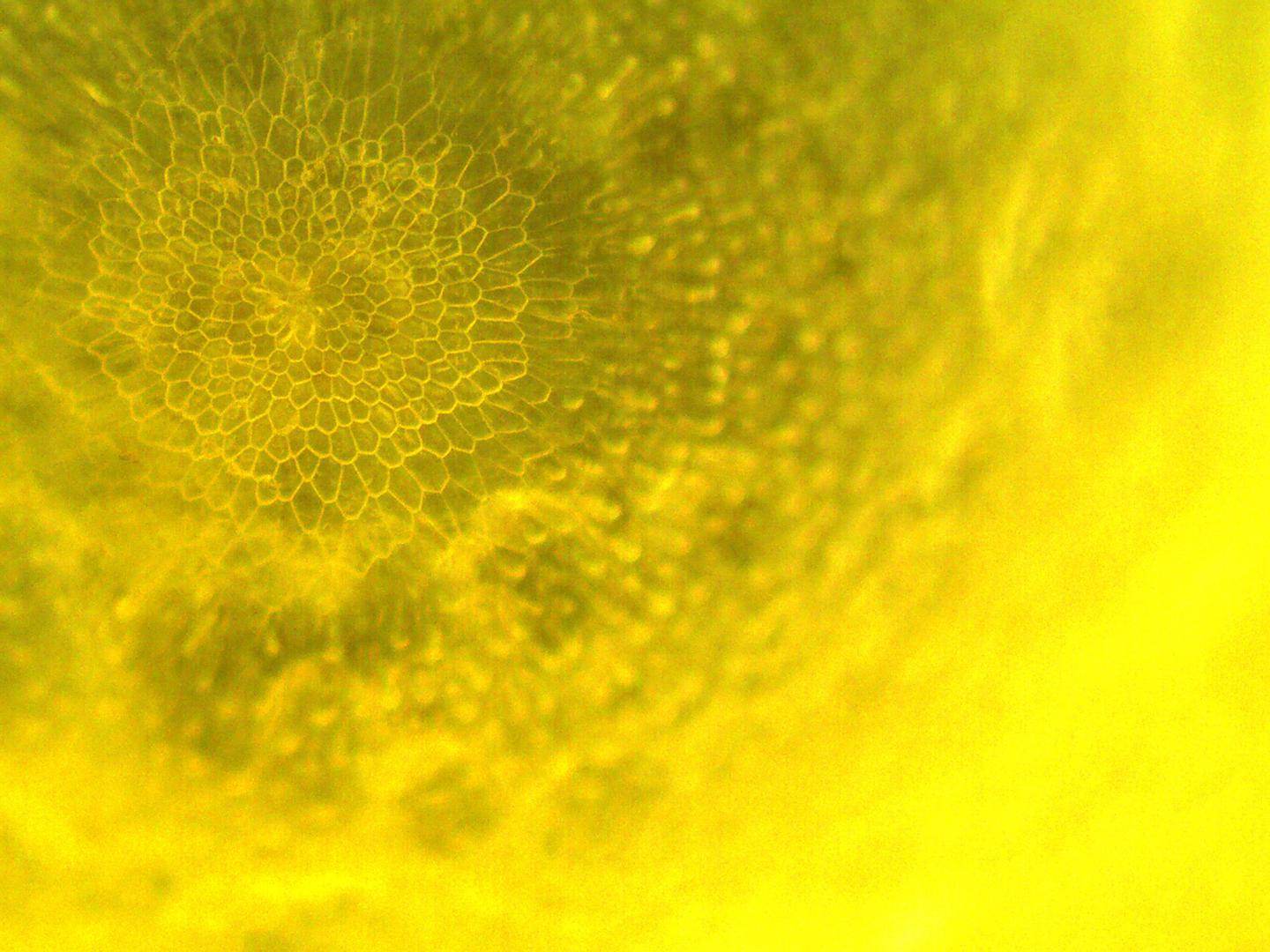
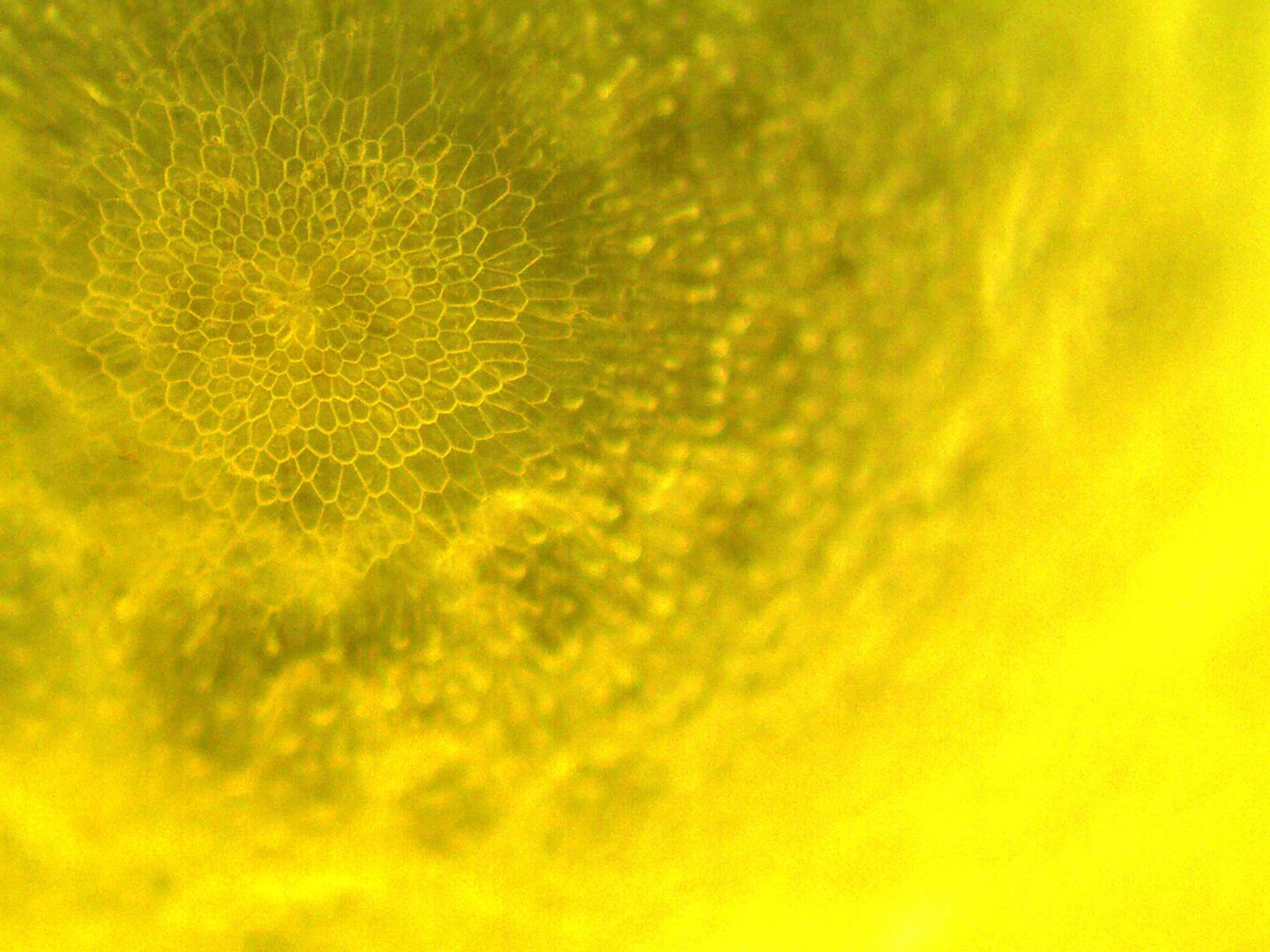
IMAGE

Credit: Thorin Jonsson

The eggs of some butterfly and moth species vary to give females control over the paternity of their offspring, according to new research published today.

The new study reveals for the first time that the number and location of micropyles (small openings in the outer surface of a female insect's eggs which allow sperm to enter) are driven by a degree of female promiscuity.

The researchers behind the study, based at the University of Lincoln, UK, suggest that an increased number of micropyles enables the female butterfly or moth greater control over fertilisation.

The study is published today (Wednesday 21st December 2016) in the Royal Society's scientific journal, Biology Letters.

"Our study, rather intriguingly, raises the possibility that promiscuous female moths and butterflies can choose which male fertilises their eggs," explained Dr Graziella Iossa from the University of Lincoln's School of Life Sciences, who led the study. "In the group of insects we studied, sperm from several different males may enter the egg via multiple micropyles but only one fuses with the female pronucleus – in a process called physiological polyspermy. This process facilitates the possibility of mate choice within an egg cell. Such a mechanism could be akin to that observed in the comb jelly (Beroe ovata), where the female pronucleus moves among the different sperm cells before combining with one. We therefore concluded that the presence of multiple micropyles increases the opportunity for post-copulatory choice about which sperm fertilises the egg.

"This is the first study to show that micropylar variation is driven by female promiscuity – the more micropyles her eggs have, the more choice she is likely to have over which male fathers her offspring."

In most insects, sperm fertilise the egg via micropyles but despite having this one primary function, there is a considerable and unexplained variation in the location, arrangement and number of micropyles within and between species. Until now few scientists have attempted to seek a functional explanation for these differences.

This is the first study of its kind and it furthers our understanding of the relationship between female mating patterns and the number of micropyles in her eggs.

The team of researchers also included Dr Paul Eady from Lincoln's School of Life Sciences and Professor Matthew Gage from the University of East Anglia. Together they examined the eggs of 56 species from different families of butterflies and moths, whose number of micropyles varied from one to 15.

The research also considers that an increased number of micropyles in the surface of an egg could represent a bet-hedging strategy for a female butterfly or moth where sperm numbers are limited, for example when competition is high.

The full paper is available to view online.

###

Media Contact

Cerri Evans
[email protected]
44-152-288-6165
@unilincoln

http://www.lincoln.ac.uk/home/

Share12Tweet7Share2ShareShareShare1

Related Posts

Cysteine Sulfenylation of p-GSK-3β Drives Liver Insulin Resistance

April 2, 2026

First Human Trial of Implant for Brain Pressure Monitoring

April 2, 2026

Occasional Heavy Drinking Could Triple Risk of Liver Damage, Study Finds

April 2, 2026

Rethinking Obesity Diagnosis Beyond BMI Could Postpone Critical Treatment, Study Finds

April 2, 2026
Please login to join discussion

POPULAR NEWS

  • blank

    Revolutionary AI Model Enhances Precision in Detecting Food Contamination

    96 shares
    Share 38 Tweet 24
  • Imagine a Social Media Feed That Challenges Your Views Instead of Reinforcing Them

    1007 shares
    Share 398 Tweet 249
  • Promising Outcomes from First Clinical Trials of Gene Regulation in Epilepsy

    51 shares
    Share 20 Tweet 13
  • Popular Anti-Aging Compound Linked to Damage in Corpus Callosum, Study Finds

    44 shares
    Share 18 Tweet 11

About

We bring you the latest biotechnology news from best research centers and universities around the world. Check our website.

Follow us

Recent News

Cysteine Sulfenylation of p-GSK-3β Drives Liver Insulin Resistance

Transonic Safe Mode Empowers Next-Gen Wind Turbines

First Human Trial of Implant for Brain Pressure Monitoring

Subscribe to Blog via Email

Enter your email address to subscribe to this blog and receive notifications of new posts by email.

Join 78 other subscribers
  • Contact Us

Bioengineer.org © Copyright 2023 All Rights Reserved.

Welcome Back!

Login to your account below

Forgotten Password?

Retrieve your password

Please enter your username or email address to reset your password.

Log In
No Result
View All Result
  • Homepages
    • Home Page 1
    • Home Page 2
  • News
  • National
  • Business
  • Health
  • Lifestyle
  • Science

Bioengineer.org © Copyright 2023 All Rights Reserved.