• HOME
  • NEWS
  • EXPLORE
    • CAREER
      • Companies
      • Jobs
    • EVENTS
    • iGEM
      • News
      • Team
    • PHOTOS
    • VIDEO
    • WIKI
  • BLOG
  • COMMUNITY
    • FACEBOOK
    • INSTAGRAM
    • TWITTER
Saturday, February 7, 2026
BIOENGINEER.ORG
No Result
View All Result
  • Login
  • HOME
  • NEWS
  • EXPLORE
    • CAREER
      • Companies
      • Jobs
        • Lecturer
        • PhD Studentship
        • Postdoc
        • Research Assistant
    • EVENTS
    • iGEM
      • News
      • Team
    • PHOTOS
    • VIDEO
    • WIKI
  • BLOG
  • COMMUNITY
    • FACEBOOK
    • INSTAGRAM
    • TWITTER
  • HOME
  • NEWS
  • EXPLORE
    • CAREER
      • Companies
      • Jobs
        • Lecturer
        • PhD Studentship
        • Postdoc
        • Research Assistant
    • EVENTS
    • iGEM
      • News
      • Team
    • PHOTOS
    • VIDEO
    • WIKI
  • BLOG
  • COMMUNITY
    • FACEBOOK
    • INSTAGRAM
    • TWITTER
No Result
View All Result
Bioengineer.org
No Result
View All Result
Home NEWS Science News Biology

UBC researchers transform humble blood cells into…

Bioengineer by Bioengineer
February 12, 2018
in Biology
Reading Time: 2 mins read
0
Share on FacebookShare on TwitterShare on LinkedinShare on RedditShare on Telegram
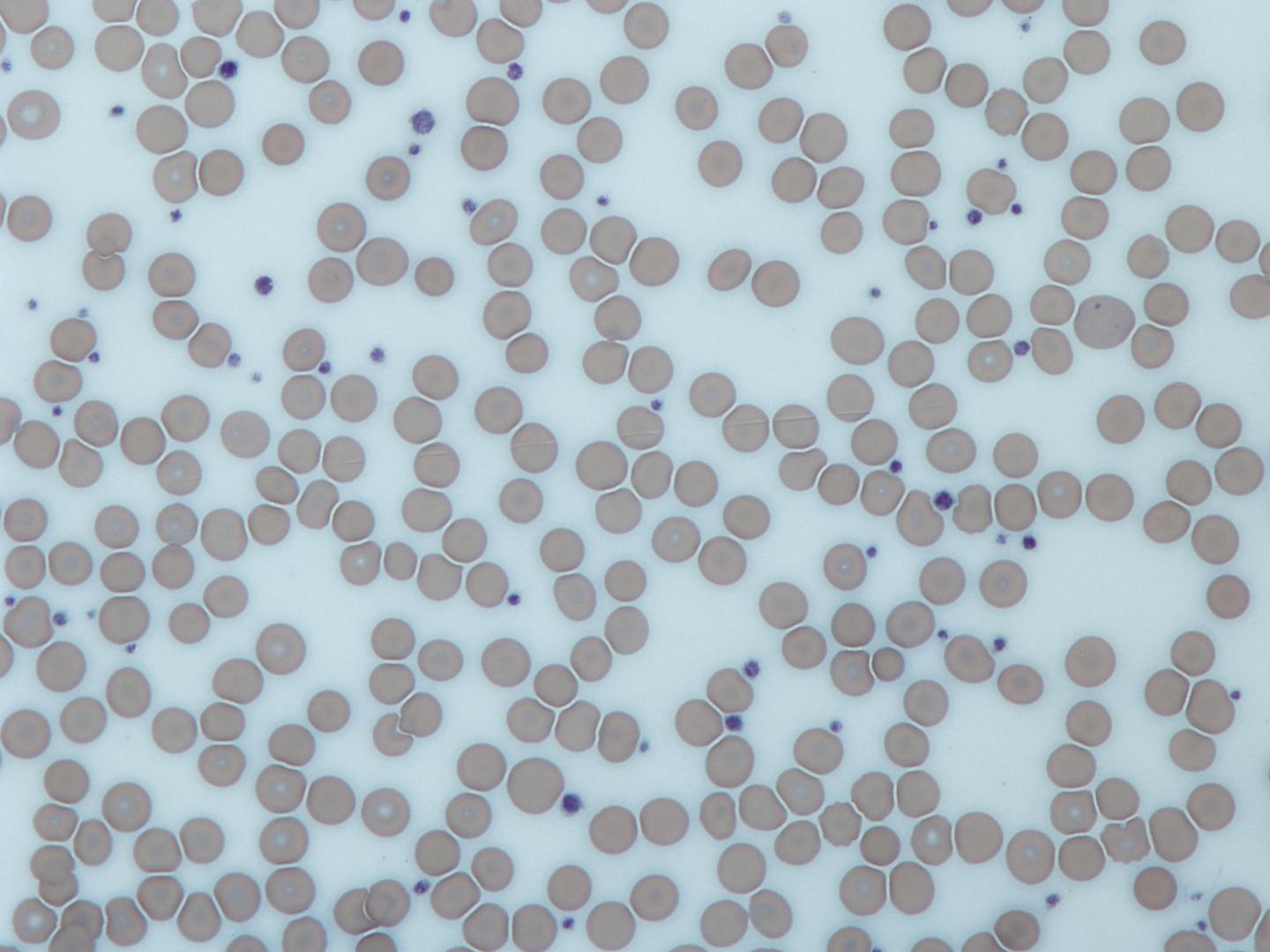
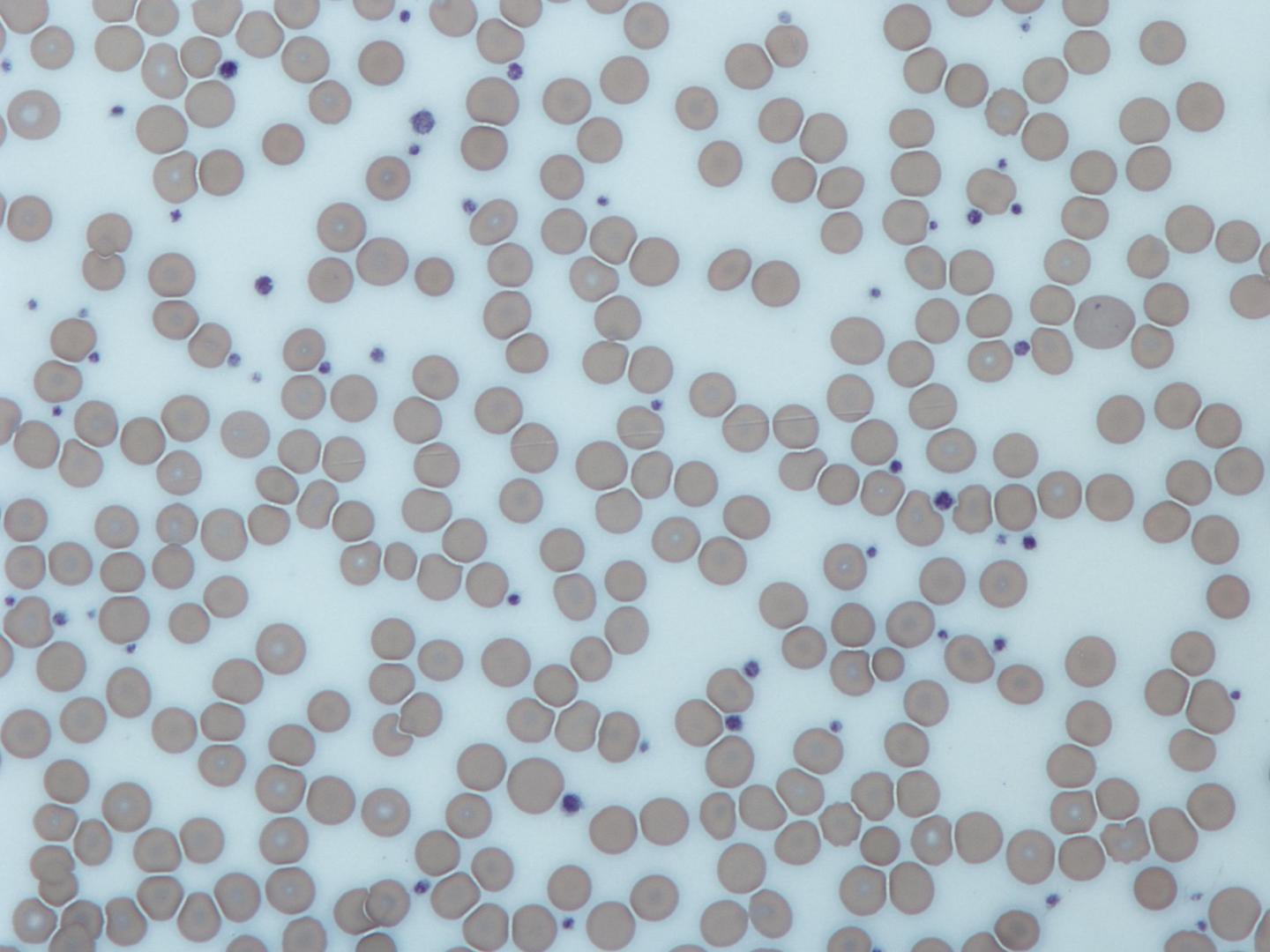
IMAGE

Faculty of Medicine scientists have created a "Franken-platelet" – a supercharged blood cell – that might be capable of healing major wounds, busting clots or blocking inflammation.

Named for their disk-like shape, platelets stop bleeding by adhering to a rupture in blood vessels, plugging the hole, and secreting proteins that trigger the formation of blood clots. Despite their importance, platelets are relatively simple – unlike most cells, they lack a nucleus, and thus don't have DNA.

Assistant Professor Christian Kastrup, in the Department of Biochemistry and Molecular Biology and the Michael Smith Laboratories, and graduate students Vivienne Chan and Stefanie Novakowski injected platelets with DNA and other ingredients needed to make RNA – the crucial molecules that transform DNA's code into the multitude of proteins that carry out a cell's many activities.

The resulting RNA, the first-ever produced inside a platelet, didn't endow the cells with any new powers. But the RNA, when extracted from the platelets and immersed in a soup of cellular biochemicals, performed as predicted, producing proteins that glowed when exposed to certain types of light.

The experiments, described in an article this week in the German chemistry journal Angewandte Chemie International Edition, point the way to fortifying platelets with more useful genes.

One possibility is making platelets even better at blood clotting. These supercharged platelets would be programmed to release more coagulation enzymes, enabling them to seal ruptures that would prove too large for normal platelets.

But the researchers' breakthrough also raises the possibility of endowing platelets with powers they don't currently have. For example, they could release RNA or proteins that decrease inflammation – the natural response by injured or infected tissues that, when unchecked, leads to such diseases as artherosclerosis or arthritis.

Platelets might even be programmed to "go against type," releasing proteins that degrade clots near the heart or brain, where they can cause heart attacks or stroke.

"This technology could be used to make platelets that go beyond their present capabilities," says Dr. Kastrup, a member of the UBC Centre for Blood Research. "Platelets are a basic component of blood, so they make an excellent way to deliver therapies to people with uncontrollable internal bleeding, or inflammatory diseases, or dangerous clots. We've gotten platelets to make their own RNA; our next step is getting them to make therapeutic RNA, or therapeutic proteins."

###

Share12Tweet8Share2ShareShareShare2

Related Posts

Florida Cane Toad: Complex Spread and Selective Evolution

Florida Cane Toad: Complex Spread and Selective Evolution

February 7, 2026
New Study Uncovers Mechanism Behind Burn Pit Particulate Matter–Induced Lung Inflammation

New Study Uncovers Mechanism Behind Burn Pit Particulate Matter–Induced Lung Inflammation

February 6, 2026

DeepBlastoid: Advancing Automated and Efficient Evaluation of Human Blastoids with Deep Learning

February 6, 2026

Navigating the Gut: The Role of Formic Acid in the Microbiome

February 6, 2026
Please login to join discussion

POPULAR NEWS

  • Robotic Ureteral Reconstruction: A Novel Approach

    Robotic Ureteral Reconstruction: A Novel Approach

    82 shares
    Share 33 Tweet 21
  • Digital Privacy: Health Data Control in Incarceration

    63 shares
    Share 25 Tweet 16
  • Study Reveals Lipid Accumulation in ME/CFS Cells

    57 shares
    Share 23 Tweet 14
  • Breakthrough in RNA Research Accelerates Medical Innovations Timeline

    53 shares
    Share 21 Tweet 13

About

We bring you the latest biotechnology news from best research centers and universities around the world. Check our website.

Follow us

Recent News

Evaluating Pediatric Emergency Care Quality in Ethiopia

TPMT Expression Predictions Linked to Azathioprine Side Effects

Improving Dementia Care with Enhanced Activity Kits

Subscribe to Blog via Email

Success! An email was just sent to confirm your subscription. Please find the email now and click 'Confirm' to start subscribing.

Join 73 other subscribers
  • Contact Us

Bioengineer.org © Copyright 2023 All Rights Reserved.

Welcome Back!

Login to your account below

Forgotten Password?

Retrieve your password

Please enter your username or email address to reset your password.

Log In
No Result
View All Result
  • Homepages
    • Home Page 1
    • Home Page 2
  • News
  • National
  • Business
  • Health
  • Lifestyle
  • Science

Bioengineer.org © Copyright 2023 All Rights Reserved.