• HOME
  • NEWS
  • EXPLORE
    • CAREER
      • Companies
      • Jobs
    • EVENTS
    • iGEM
      • News
      • Team
    • PHOTOS
    • VIDEO
    • WIKI
  • BLOG
  • COMMUNITY
    • FACEBOOK
    • INSTAGRAM
    • TWITTER
Wednesday, April 1, 2026
BIOENGINEER.ORG
No Result
View All Result
  • Login
  • HOME
  • NEWS
  • EXPLORE
    • CAREER
      • Companies
      • Jobs
        • Lecturer
        • PhD Studentship
        • Postdoc
        • Research Assistant
    • EVENTS
    • iGEM
      • News
      • Team
    • PHOTOS
    • VIDEO
    • WIKI
  • BLOG
  • COMMUNITY
    • FACEBOOK
    • INSTAGRAM
    • TWITTER
  • HOME
  • NEWS
  • EXPLORE
    • CAREER
      • Companies
      • Jobs
        • Lecturer
        • PhD Studentship
        • Postdoc
        • Research Assistant
    • EVENTS
    • iGEM
      • News
      • Team
    • PHOTOS
    • VIDEO
    • WIKI
  • BLOG
  • COMMUNITY
    • FACEBOOK
    • INSTAGRAM
    • TWITTER
No Result
View All Result
Bioengineer.org
No Result
View All Result
Home NEWS Science News Health

D’Angelo receives American Cancer Society Research Scholar grant

Bioengineer by Bioengineer
February 11, 2018
in Health
Reading Time: 2 mins read
0
Share on FacebookShare on TwitterShare on LinkedinShare on RedditShare on Telegram
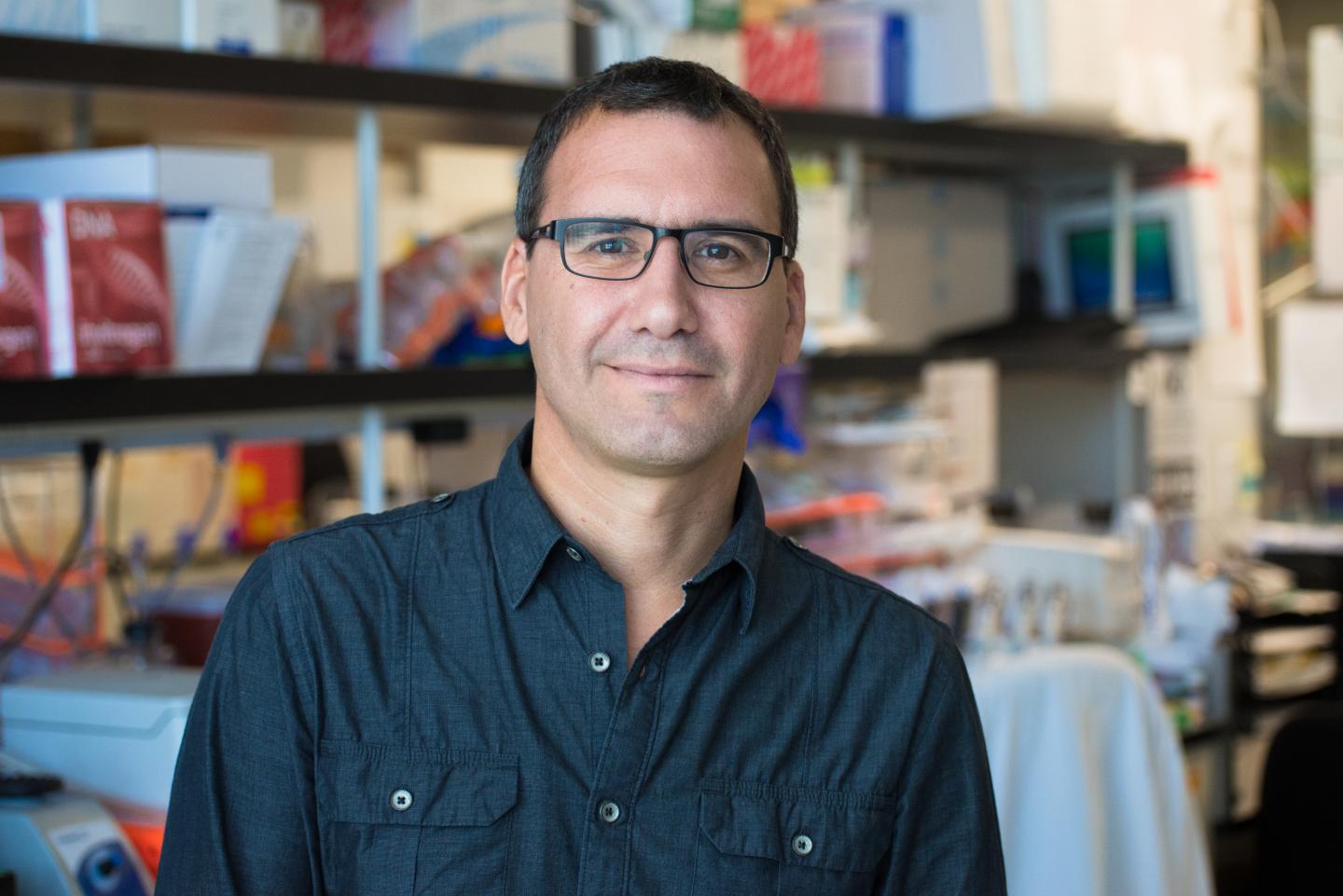
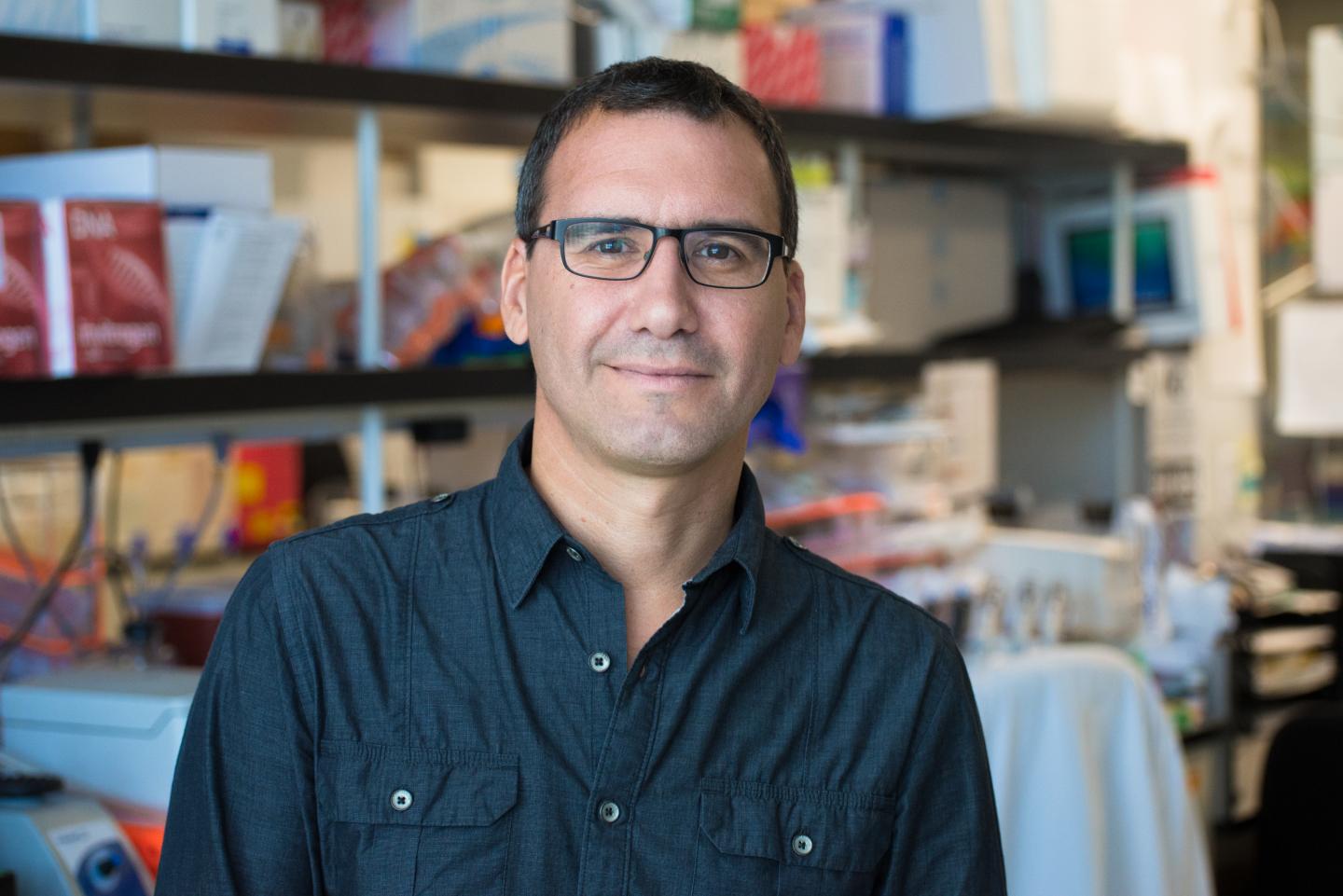
IMAGE

Credit: Sanford Burnham Prebys Medical Discovery Institute

La Jolla, Calif., Dec. 1, 2017 – Maximiliano D'Angelo, Ph.D., an assistant professor at Sanford Burnham Prebys Medical Discovery Institute (SBP), has received a four-year, $792,000 Research Scholar Grant from the American Cancer Society.

The American Cancer Society awards Research Scholar Grants for promising research projects that may lead to the elimination of cancer as a major health problem. Recipients must be in the first six years of an independent research career or faculty appointment.

"Max is a well-deserving recipient of this prestigious award, says Kristiina Vuori, M.D., Ph.D., president of SBP. "He is an outstanding scientist making significant discoveries that may help shape the future of cancer therapies. "

D'Angelo, who has been at SBP since 2014, will use the grant to study how alterations in nuclear pore complexes (NPCs) contribute to the malignant transformation of blood cells and cancer.

NPCs play an important role in exchanging molecules between the cell nucleus and cytoplasm, as well as in the organization and regulation of cell processes. Alterations in certain proteins that comprise NPCs have been detected in cancer, especially in several types of leukemia. D'Angelo and his lab will focus on a particular nuclear pore complex component that is a critical regulator of cell differentiation.

"I'm very grateful to the American Cancer Society for supporting this research," says D'Angelo. "There is a tremendous need to understand the pathways leading from NPC defects to cancer–insights that may lead to better treatments and potentially cures."

###

About SBP

Sanford Burnham Prebys Medical Discovery Institute (SBP) is an independent nonprofit medical research organization that conducts world-class, collaborative, biological research and translates its discoveries for the benefit of patients. SBP focuses its research on cancer, immunity, neurodegeneration, metabolic disorders and rare children's diseases. The Institute invests in talent, technology and partnerships to accelerate the translation of laboratory discoveries that will have the greatest impact on patients. Recognized for its world-class NCI-designated Cancer Center and the Conrad Prebys Center for Chemical Genomics, SBP employs about 1,100 scientists and staff in San Diego (La Jolla), Calif., and Orlando (Lake Nona), Fla. For more information, visit us at SBPdiscovery.org or on Facebook at facebook.com/SBPdiscovery and on Twitter @SBPdiscovery.

Media Contact

Susan Gammon
[email protected]
858-795-5012
@sbpdiscovery

http://www.sbpdiscovery.org/

Share12Tweet8Share2ShareShareShare2

Related Posts

Dorsoventral Hippocampus Reactivates After Aversive Sleep

April 1, 2026

ALDH1L2 Controls ROS and Pancreatic Cell Changes

April 1, 2026

Tim-3 Agonist Limits ILC2, Eases Airway Reactivity

April 1, 2026

Phages Modify Cytosine via Hydroxylation and Arabinofuranosylation

April 1, 2026
Please login to join discussion

POPULAR NEWS

  • blank

    Revolutionary AI Model Enhances Precision in Detecting Food Contamination

    96 shares
    Share 38 Tweet 24
  • Imagine a Social Media Feed That Challenges Your Views Instead of Reinforcing Them

    1006 shares
    Share 398 Tweet 249
  • Promising Outcomes from First Clinical Trials of Gene Regulation in Epilepsy

    51 shares
    Share 20 Tweet 13
  • Popular Anti-Aging Compound Linked to Damage in Corpus Callosum, Study Finds

    43 shares
    Share 17 Tweet 11

About

We bring you the latest biotechnology news from best research centers and universities around the world. Check our website.

Follow us

Recent News

Dorsoventral Hippocampus Reactivates After Aversive Sleep

ALDH1L2 Controls ROS and Pancreatic Cell Changes

Tim-3 Agonist Limits ILC2, Eases Airway Reactivity

Subscribe to Blog via Email

Enter your email address to subscribe to this blog and receive notifications of new posts by email.

Join 78 other subscribers
  • Contact Us

Bioengineer.org © Copyright 2023 All Rights Reserved.

Welcome Back!

Login to your account below

Forgotten Password?

Retrieve your password

Please enter your username or email address to reset your password.

Log In
No Result
View All Result
  • Homepages
    • Home Page 1
    • Home Page 2
  • News
  • National
  • Business
  • Health
  • Lifestyle
  • Science

Bioengineer.org © Copyright 2023 All Rights Reserved.