• HOME
  • NEWS
  • EXPLORE
    • CAREER
      • Companies
      • Jobs
    • EVENTS
    • iGEM
      • News
      • Team
    • PHOTOS
    • VIDEO
    • WIKI
  • BLOG
  • COMMUNITY
    • FACEBOOK
    • INSTAGRAM
    • TWITTER
Wednesday, April 1, 2026
BIOENGINEER.ORG
No Result
View All Result
  • Login
  • HOME
  • NEWS
  • EXPLORE
    • CAREER
      • Companies
      • Jobs
        • Lecturer
        • PhD Studentship
        • Postdoc
        • Research Assistant
    • EVENTS
    • iGEM
      • News
      • Team
    • PHOTOS
    • VIDEO
    • WIKI
  • BLOG
  • COMMUNITY
    • FACEBOOK
    • INSTAGRAM
    • TWITTER
  • HOME
  • NEWS
  • EXPLORE
    • CAREER
      • Companies
      • Jobs
        • Lecturer
        • PhD Studentship
        • Postdoc
        • Research Assistant
    • EVENTS
    • iGEM
      • News
      • Team
    • PHOTOS
    • VIDEO
    • WIKI
  • BLOG
  • COMMUNITY
    • FACEBOOK
    • INSTAGRAM
    • TWITTER
No Result
View All Result
Bioengineer.org
No Result
View All Result
Home NEWS Science News Health

Study reveals the brain regulates social behavior differently in males…

Bioengineer by Bioengineer
February 11, 2018
in Health
Reading Time: 2 mins read
0
Share on FacebookShare on TwitterShare on LinkedinShare on RedditShare on Telegram
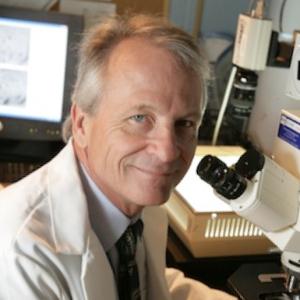
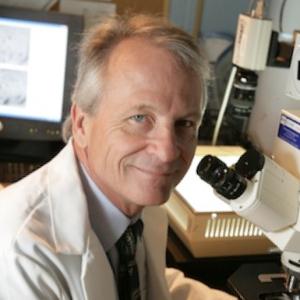
IMAGE

Credit: Georgia State University

ATLANTA-The brain regulates social behavior differently in males and females, according to a new study published today in the Proceedings of the National Academy of Sciences.

A team of researchers led by Dr. Elliott Albers, director of the Center for Behavioral Neuroscience and Regents' Professor of Neuroscience at Georgia State University, and graduate student Joseph I. Terranova, has discovered that serotonin (5-HT) and arginine-vasopressin (AVP) act in opposite ways in males and females to influence aggression and dominance. Because dominance and aggressiveness have been linked to stress resistance, these findings may influence the development of more effective gender-specific treatment strategies for stress-related neuropsychiatric disorders.

"These results begin to provide a neurochemical basis for understanding how the social brain works quite differently in males and females," said Albers.

Prominent sex differences occur in the incidence, development and clinical course of many neuropsychiatric disorders. Women, for example, have higher rates of depression and anxiety disorders such as posttraumatic stress disorder (PTSD), while men more frequently suffer from autism and attention deficit disorder. Despite profound sex differences in the expression of social behavior and the incidence of these psychiatric disorders, little is known about how the brain mechanisms underlying these phenomena differ in females and males. Further, limited knowledge exists regarding sex differences in the efficacy of treatments for these disorders. As a result, current treatment strategies are largely the same for both sexes.

In this study conducted in hamsters, the researchers investigated the hypothesis that 5-HT promotes and AVP inhibits aggression and dominance in females and that 5-HT inhibits and AVP promotes aggression and dominance in males. Their data show strong support for this hypothesis with the discovery that 5-HT and AVP act in opposite ways within the hypothalamus to regulate dominance and aggression in females and males.

This study also found that administration of the 5-HT reuptake inhibitor fluoxetine, one of the most commonly prescribed drugs for psychiatric disorders, increased aggression in females and inhibited aggression in males. These studies raise the possibility that stress-related neuropsychiatric disorders such as PTSD may be more effectively treated with 5-HT-targeted drugs in women and with AVP-targeted drugs in men.

The research team involved in this discovery included Dr. Zhimin Song, Tony E. Larkin, Nathan Hardcastle Alisa Norvelle and Ansa Riaz from Georgia State's Neuroscience Institute.

The next step will be to investigate whether there are sex differences in the efficacy of 5-HT- and AVP-active drugs in reducing social stress.

###

For more information on Dr. Elliott Albers and the research being conducted in his laboratory, visit http://neuroscience.gsu.edu/profile/h-elliott-albers/.

For more information on the Center for Behavioral Neuroscience, visit http://www.cbn-atl.org.

Media Contact

Natasha De Veauuse Brown, M.P.H.
[email protected]
404-413-3602
@GSU_News

Home

Share12Tweet8Share2ShareShareShare2

Related Posts

Tracking Research on Adult Outcomes After Complex Perinatal History

April 1, 2026

Inequities in Family Engagement Within the NICU

April 1, 2026

Frailty, Malnutrition Link Falls to Daily Functioning

April 1, 2026

Dactylides D, E: Novel 22-Membered Polyol Macrolides

April 1, 2026
Please login to join discussion

POPULAR NEWS

  • blank

    Revolutionary AI Model Enhances Precision in Detecting Food Contamination

    96 shares
    Share 38 Tweet 24
  • Imagine a Social Media Feed That Challenges Your Views Instead of Reinforcing Them

    1006 shares
    Share 398 Tweet 249
  • Promising Outcomes from First Clinical Trials of Gene Regulation in Epilepsy

    51 shares
    Share 20 Tweet 13
  • Popular Anti-Aging Compound Linked to Damage in Corpus Callosum, Study Finds

    43 shares
    Share 17 Tweet 11

About

We bring you the latest biotechnology news from best research centers and universities around the world. Check our website.

Follow us

Recent News

Tracking Research on Adult Outcomes After Complex Perinatal History

Unveiling the Biological Pathways Linking Pesticides to Cancer Risk: New Study Sheds Light on Environmental Health Impacts

Inequities in Family Engagement Within the NICU

Subscribe to Blog via Email

Success! An email was just sent to confirm your subscription. Please find the email now and click 'Confirm' to start subscribing.

Join 78 other subscribers
  • Contact Us

Bioengineer.org © Copyright 2023 All Rights Reserved.

Welcome Back!

Login to your account below

Forgotten Password?

Retrieve your password

Please enter your username or email address to reset your password.

Log In
No Result
View All Result
  • Homepages
    • Home Page 1
    • Home Page 2
  • News
  • National
  • Business
  • Health
  • Lifestyle
  • Science

Bioengineer.org © Copyright 2023 All Rights Reserved.