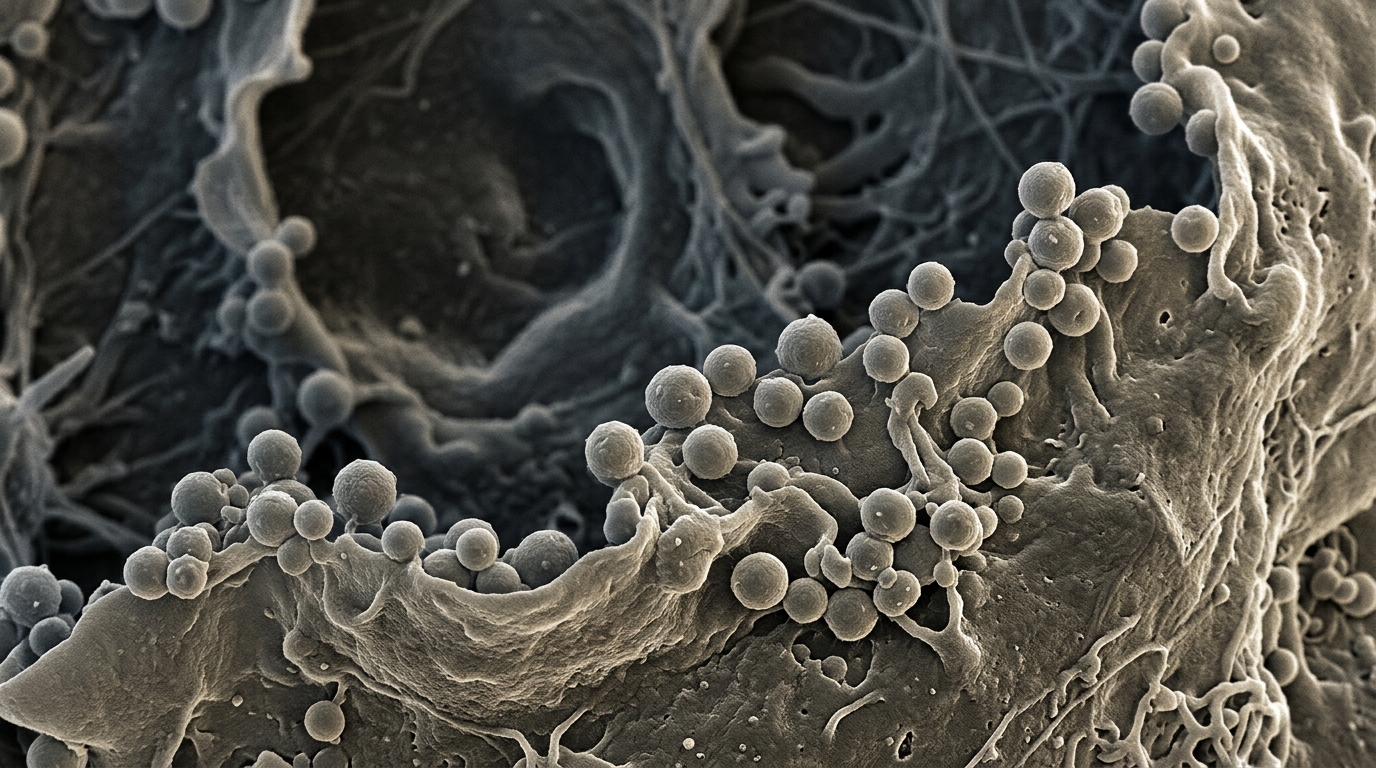
Extracellular vesicles derived from infant adipose tissue and neonatal Wharton’s Jelly outperform vesicles from elderly donors in protecting skin against ultraviolet A radiation damage, according to a comparative investigation published in Stem Cell Research & Therapy. The findings demonstrate an age-dependent decline in the protective efficacy of mesenchymal stem cell-derived extracellular vesicles, a process linked to the impairment of specific microRNA regulatory pathways.
Skin aging is driven by both intrinsic biological aging and extrinsic environmental factors such as ultraviolet radiation, posing significant concerns for personal health and tissue aesthetics. UVA radiation serves as a primary contributor to cutaneous photoaging, triggering damaging oxidative stress, cellular DNA damage, and inflammatory reactions that simultaneously affect both epidermal and dermal skin layers. While mesenchymal stem cell-derived extracellular vesicles have been widely reported to shield skin from ultraviolet damage, whether these protective abilities become impaired during chronological aging had remained unclear.
To address this question, researchers compared the therapeutic potential of mesenchymal stem cell-derived extracellular vesicles obtained from donors of differing ages for mitigating UVA-induced skin injury. The comparative evaluation tested extracellular vesicles isolated from elderly adipose tissues (eEV), infant adipose tissues (iEV), and neonatal Wharton’s Jelly tissues (WJ-EV). The investigative team analyzed each distinct vesicle preparation across both in vitro cell culture systems and in vivo animal models of cutaneous photoaging.
In skin cell assays, vesicles sourced from younger donors demonstrated superior protective effects against UVA-induced damage compared to elderly vesicles. Specifically, treatment with WJ-EV and iEV led to marked cellular improvements, significantly reducing reactive oxygen species (ROS) accumulation, decreasing DNA damage, preventing cellular apoptosis, and dampening inflammatory responses following UVA exposure. In contrast, vesicles from elderly adipose donors exhibited a markedly reduced capacity to protect irradiated cells.
Transcriptomic analyses conducted by the research group identified the molecular mechanism responsible for this functional decline, highlighting the central role of miR-221. This microRNA was predominantly expressed within neonatal Wharton’s Jelly and infant vesicles but was diminished in elderly vesicles. Mechanistically, miR-221 targets cyclin D1, encoded by CCND1, to modulate the downstream Akt and FoxO1 signaling pathway, thereby reinforcing cellular antioxidant defense systems and accelerating DNA repair mechanisms after ultraviolet damage.
In vivo testing in animal photoaging models corroborated these protective benefits, showing that WJ-EV and iEV administration effectively restored damaged collagen structure and reduced immune cell infiltration within UVA-irradiated skin. The authors conclude that advancing donor age leads to an impairment of mesenchymal stem cell-derived vesicle efficacy, highlighting neonatal Wharton’s Jelly vesicles and infant adipose vesicles—especially Wharton’s Jelly—as promising, accessible therapeutic candidates to combat photoaging.
Subject of Research: Age-related decline in mesenchymal stem cell extracellular vesicle protection against UVA skin photoaging
Article Title: Aging reduces the ability of mesenchymal stem cell-derived extracellular vesicles protecting skin against ultraviolet A by the impairment of miR-221/FoxO1 pathways
Article References: Ngo, N.-H., Vuong, C.-K., Yamashita, T., Obata-Yasuoka, M., Hamada, H., Osaka, M., Tokunaga, C., Hiramatsu, Y., & Ohneda, O. (2026). Aging reduces the ability of mesenchymal stem cell-derived extracellular vesicles protecting skin against ultraviolet A by the impairment of miR-221/FoxO1 pathways. Stem Cell Research & Therapy. https://doi.org/10.1186/s13287-026-05392-9
Image Credits: AI Generated
DOI: 10.1186/s13287-026-05392-9
Keywords: extracellular vesicles, mesenchymal stem cells, photoaging, ultraviolet A radiation, Wharton's Jelly, adipose tissue, miR-221, FoxO1 pathway, cyclin D1, CCND1, reactive oxygen species, DNA repair, cellular apoptosis, collagen restoration, immune cell infiltration, Akt signaling
News Source: Drew Townsend. (November 27, 2026). Younger Stem Cell Vesicles Protect Skin Against UVA Better Than Elderly Sources. Scienmag.