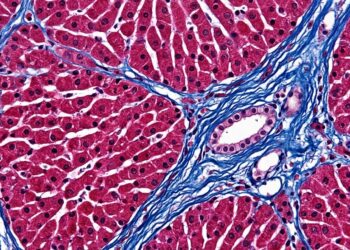
A comprehensive narrative review published in Frontiers in Pharmacology has synthesized experimental and clinical evidence to establish an integrated analytical framework for evaluating herb-induced liver injury, connecting botanical identity, biotransformation pathways, and individual host susceptibility with defined clinical outcomes. Authored by Yunliang Wang, Zhiwen Yan, Xiaofeng Peng, Qiu Qiu, and Jiajia Li, the analysis evaluates how heterogeneous herbal exposures produce divergent hepatic injury phenotypes ranging from asymptomatic transaminase elevations to acute liver failure, liver transplantation, and death. Herb-induced liver injury represents a specific subset of drug-induced liver injury distinct from the broader classification of herbal and dietary supplement toxicity, which also encompasses nonherbal vitamins and bodybuilding products. The authors emphasize that linking characterized herbal products with distinct biological mechanisms and clinical phenotypes remains a central challenge because commercial botanicals often display substantial variability in their chemical compositions. By mapping mechanistic pathways across metabolic bioactivation, oxidative and mitochondrial damage, bile acid transport disruption, immune-mediated responses, and gut–liver interactions, the review provides a structured foundation to separate preclinical findings from verified clinical observations.
Clinical and epidemiological surveillance underscores the growing global medical relevance of adverse hepatic events associated with medicinal herbs and dietary supplements. In the United States Drug-Induced Liver Injury Network database, the proportion of enrolled hepatotoxicity cases attributed to herbal and dietary supplements expanded from approximately 7 percent to 20 percent over time. A nationwide epidemiological study conducted across China analyzed 25,927 cases of drug-induced liver injury and identified traditional Chinese medicines and herbal supplements among the primary causative exposure categories. A prospective Korean investigation that monitored 1,001 hospitalized patients consuming herbal preparations identified six adjudicated cases of herb-induced liver injury, representing an incidence of 0.60 percent, all of whom presented without overt clinical symptoms. In a larger prospective cohort of 21,470 herbal medicine consumers who presented with normal baseline alanine aminotransferase concentrations, 26 individuals subsequently developed transaminase elevations reaching at least five times the upper limit of normal. Additionally, a population survey in the United States documented that 4.7 percent of adults had ingested at least one of six documented potentially hepatotoxic botanical products, demonstrating the widespread exposure that necessitates rigorous toxicological scrutiny.
Accurate exposure characterization constitutes an essential prerequisite for diagnosing and investigating suspected herbal hepatotoxicity, as botanical nomenclature on retail labels frequently conceals substantial variation in processing, formulation, and constituent profile. Within an analysis conducted by the Drug-Induced Liver Injury Network examining 272 herbal and dietary supplement products, chemical verification revealed that 140 products, or 51 percent, were mislabeled, though that cohort included nonherbal supplements alongside botanical preparations. In a focused evaluation of 54 suspected supplement-related injury cases, targeted chemical testing altered causal attribution likelihoods, increasing diagnostic confidence in 37 percent of cases while decreasing it in 11 percent. Experimental investigations with Polygonum multiflorum demonstrate that manufacturing methods profoundly influence constituent toxicity; for example, seven days of pretreating rats with trans-2,3,5,4-tetrahydroxystilbene-2-O-beta-D-glucopyranoside elevated systemic emodin exposure, whereas repeated steaming and sun-drying diminished dianthrone levels and suppressed embryotoxicity in zebrafish models. Similarly, chemical batch analysis of 35 Gynura japonica samples demonstrated that pyrrolizidine alkaloid concentrations reached 4.90 milligrams per gram in roots compared with 2.21 milligrams per gram in aerial segments, directly shaping the severity of acute liver damage observed in animal bioassays.
Metabolic bioactivation mediated by hepatic cytochrome P450 enzymes frequently balances between generating electrophilic, reactive intermediates and initiating protective detoxification pathways. In Polygonum multiflorum exposures, intestinal deglycosylation of stilbene glucosides followed by cytochrome P450 oxidation yields a reactive ortho-quinone capable of adduction; inhibiting cytochrome P450 3A in mice markedly decreased hepatic protein-adduct formation and mitigated centrilobular necrosis. Experimental assessments of fibleucin derived from Tinospora sagittata confirmed that cytochrome P450 3A bioactivation forms cis-2-butene-1,4-dial, triggering glutathione depletion and extensive hepatic protein binding in murine hepatocytes. Conversely, cytochrome P450 1A2 and 3A4 hydroxylation of emodin represents a detoxification pathway, such that experimental cytochrome inhibition actually aggravated hepatocellular injury in animal models. Concurrently, mitochondrial perturbations display divergent patterns across botanical models rather than uniform respiratory shutdown; while Psoraleae Fructus constituents deplete mitochondrial DNA, generate reactive oxygen species, and suppress oxidative phosphorylation, Dictamni Cortex models elevate Ndufs2 and complex I-associated oxidative phosphorylation alongside cellular apoptosis, proving that mitochondrial respiratory responses cannot serve as a generalized surrogate for botanical injury.
Disruption of bile acid transport, synthesis, and nuclear receptor regulation represents a major pathological axis driving exposure-specific hepatic injury and sinusoidal damage. Exposure to pyrrolizidine alkaloids from Gynura japonica is clinically linked to hepatic sinusoidal obstruction syndrome, an entity marked by microcirculatory damage, ascites, and hepatomegaly. In two human clinical cohorts suffering from pyrrolizidine alkaloid-induced sinusoidal obstruction syndrome, patient serum displayed elevated cholic acid along with its glycine and taurine conjugates, which correlated with diminished hepatic farnesoid X receptor expression. In senecionine-exposed mice, disruption of farnesoid X receptor and small heterodimer partner regulatory feedback stimulated cholic acid synthesis, whereas administering the receptor agonist obeticholic acid restored bile acid homeostasis and ameliorated sinusoidal damage. Impaired export also occurs through transporter inhibition; psoralen from Psoraleae Fructus reduces expression of the bile salt export pump and organic solute transporter alpha, causing intrahepatic accumulation of unconjugated bile acids despite downregulating bile acid synthetic enzymes.
Susceptibility to idiosyncratic herbal liver damage frequently exhibits an exposure-specific immunogenetic architecture rather than reflecting universal host vulnerabilities. In a four-center Han Chinese case-control study involving 73 patients with verified Polygonum multiflorum-induced liver injury and 118 controls with conventional drug-induced liver injury, carriage of the human leukocyte antigen allele HLA-B*35:01 occurred in 41.1 percent of herbal cases versus 11.9 percent of controls. Mechanistic investigations indicate that emodin binds noncovalently to HLA-B*35:01-peptide complexes to trigger cytotoxic CD8-positive T-cell infiltration in transgenic mice, an effect attenuated by human leukocyte antigen class I blockade. In parallel, tetrahydroxystilbene derivatives from the same herb form covalent adducts with liver proteins that stimulate drug-hapten reactive human T cells, delineating two distinct constituent-dependent immune recognition mechanisms. Baseline host inflammatory status also modifies individual responsiveness, as prospective tracking demonstrated that baseline tumor necrosis factor-alpha concentrations were elevated in individuals who later developed transaminase elevations compared with tolerant herbal consumers, an amplification reproduced in mice sensitized with systemic cytokines.
The bidirectional gut–liver axis modulates herbal hepatotoxicity through microbial metabolism, intestinal epithelial barrier maintenance, and circulating bacterial endotoxin translocations. In rodent models of retrorsine exposure, liver-derived pyrrolic reactive metabolites secreted via bile injured the intestinal mucosa, and subsequent barrier breakdown in colitic mice amplified systemic endotoxin delivery and glutathione depletion to worsen hepatic necrosis. In a clinical cohort of 12 patients with sinusoidal obstruction syndrome, circulating plasma lipopolysaccharide concentrations correlated positively with Model for End-Stage Liver Disease scores. Conversely, protective microbial metabolites can counteract this inflammatory cascade; treating monocrotaline-injured rats with tryptophan-derived indole-3-acetaldehyde or indole-3-acetic acid attenuated sinusoidal injury through aryl hydrocarbon receptor and nuclear factor erythroid 2-related factor 2 signaling. In triptolide-treated mice, supplementation with Lactobacillus rhamnosus GG enhanced microbial bile salt hydrolase activity, decreased conjugated bile acids, and restored farnesoid X receptor suppression of inflammasomes. However, fecal microbiota transplantation failed to alter liver damage in a Gynura japonica decoction model, demonstrating that gut microbiota associations cannot be presumed to be universally causative.
Clinical heterogeneity and disease outcomes are further shaped by cumulative administered doses, manufacturing methods, pre-existing liver disease, and concomitant therapeutic exposures. A Taiwanese population-based study of 639,779 patients with chronic hepatitis B infection revealed that prescriptions containing Radix Bupleuri formulations were associated with hospitalized liver injury, showing an adjusted odds ratio of 1.90 that displayed a significant dose-response relationship above a cumulative prescribed threshold of 19 grams. Among 73 patients hospitalized with Polygonum multiflorum hepatotoxicity, individuals consuming raw preparations exhibited higher median alanine aminotransferase levels than those taking processed preparations, reaching 1,289 units per liter compared with 890 units per liter. In an observational series of 145 patients with Polygonum multiflorum injury, chronic outcomes developed in 30.3 percent of individuals with underlying liver disease compared with 12.5 percent without pre-existing disease, yielding an adjusted odds ratio of 3.04. Furthermore, complex herb-herb combinations can either mitigate or amplify cellular toxicity; while licorice coadministration reduced Evodiae Fructus hepatotoxicity through isoliquiritigenin-mediated inhibition of cytochrome bioactivation, combining Epimedii Folium with Psoraleae Fructus intensified experimental inflammasome activation.
Translational risk assessment requires categorizing candidate biomarkers according to four distinct clinical objectives: pre-exposure susceptibility screening, exposure confirmation, post-onset etiologic discrimination, and longitudinal prognosis. For exposure confirmation, blood pyrrole-protein adducts reliably confirm pyrrolizidine alkaloid ingestion, with hemoglobin-bound adducts persisting in circulation for approximately four months compared with two months for plasma protein adducts. For post-onset etiologic discrimination, a serum bile acid panel combining cholic, taurocholic, and glycocholic acids yielded an area under the receiver operating characteristic curve of 0.968 in discriminating sinusoidal obstruction syndrome, and a microvesicle panel comprising LYZ, C4BPA, and C1R distinguished Scutellaria baicalensis injury from antibiotic hepatotoxicity.
Clinical management of suspected herb-induced liver injury requires immediate product cessation, biochemical pattern characterization using the normalized alanine aminotransferase to alkaline phosphatase R ratio, and structured causality determination. Structured tools like the Roussel Uclaf Causality Assessment Method organize clinical chronologies and dechallenge kinetics, whereas newer algorithms such as the revised electronic causality assessment method require further validation in botanical exposures because they were constructed using single-drug cohorts. Patients should be cautioned against re-exposure, as registry records indicate re-challenge occurs in 14 percent of herbal liver injury cases compared with 3 percent in conventional pharmaceutical cases. Specialized interventions are guided by clinical phenotype; while intravenous N-acetylcysteine improves transplant-free survival in non-acetaminophen acute liver failure, pyrrolizidine alkaloid-induced sinusoidal obstruction syndrome demands phenotype-specific therapies including cautious anticoagulation or transjugular intrahepatic portosystemic shunts. The authors conclude that advancing the field requires authenticated botanical materials, biologically relevant exposure metrics in human organoids, and independent validation of predictive biomarkers before these tools can be integrated into routine clinical hepatology practice.
Subject of Research: Systems toxicology and translational risk assessment of herb-induced liver injury
Article Title: Mechanisms and translational risk assessment of herb-induced liver injury
Article References: Wang, Y., Yan, Z., Peng, X., Qiu, Q., & Li, J. (2026). Mechanisms and translational risk assessment of herb-induced liver injury. Frontiers in Pharmacology, 17, Article 2006502. https://doi.org/10.3389/fphar.2026.2006502
Image Credits: AI Generated
DOI: 10.3389/fphar.2026.2006502
Keywords: Herb-Induced Liver Injury, Systems Toxicology, Drug-Induced Liver Injury, Polygonum multiflorum, Gynura japonica, Pyrrolizidine Alkaloids, HLA-B*35:01, Sinusoidal Obstruction Syndrome, Bile Acid Dysregulation, Cytochrome P450 Bioactivation, Mitochondrial Dysfunction, Gut-Liver Axis, Translational Biomarkers, Roussel Uclaf Causality Assessment Method, Scutellaria baicalensis, Psoraleae Fructus, Triptolide Toxicity
News Source: Ophelia Keating. (November 27, 2026). Review Outlines Systems Framework for Assessing Herb-Induced Liver Injury Risks. Scienmag.