Credit: Vetmeduni Vienna
Therapy with mesenchymal stem cells, the so-called progenitor cells of connective tissue, holds great promise for the regeneration of cartilage tissue but how stem cell therapy contributes to the healing of damaged connective tissue has been unclear. Debate has centred on whether the injected cells promote regeneration or stimulate the body's own cells to proliferate. A new strategy has now enabled researchers from the Department of Biomedical Sciences of the Vetmeduni Vienna to solve the question. The problem was that a marker protein was recognized by the immune system of the recipient as a non-self protein, leading to the rejection of the injected stem cells. The Vetmeduni Vienna scientists were able to overcome this limitation and show that progenitor cells do not participate directly in cartilage regeneration but serve to "animate" the process.
New model reveals mode of action of stem cells
"To date, it has not been possible to show what an injection of stem cells really does in an animal model," explains Reinhold Erben, the senior author of the study. "The problem is that you have to track the cells with particular proteins that the immune system of the recipient recognizes as non-endogenous and thus potentially harmful. The resulting rejection of the injected cells has prevented the validation of their mode of action."
It was thus only possible to track stem cells in immunodeficient animal models that had no reaction to the proteins due to a genetically reduced immune system. These models could not provide any clues about the mode of action of the stem cells. "We therefore worked with a 'lifelike' animal model that is immunocompetent but shows no response to our tracker molecule. This enabled us to show that stem cells have a purely modulating action in the treatment of cartilage damage," says Erben.
A new animal model
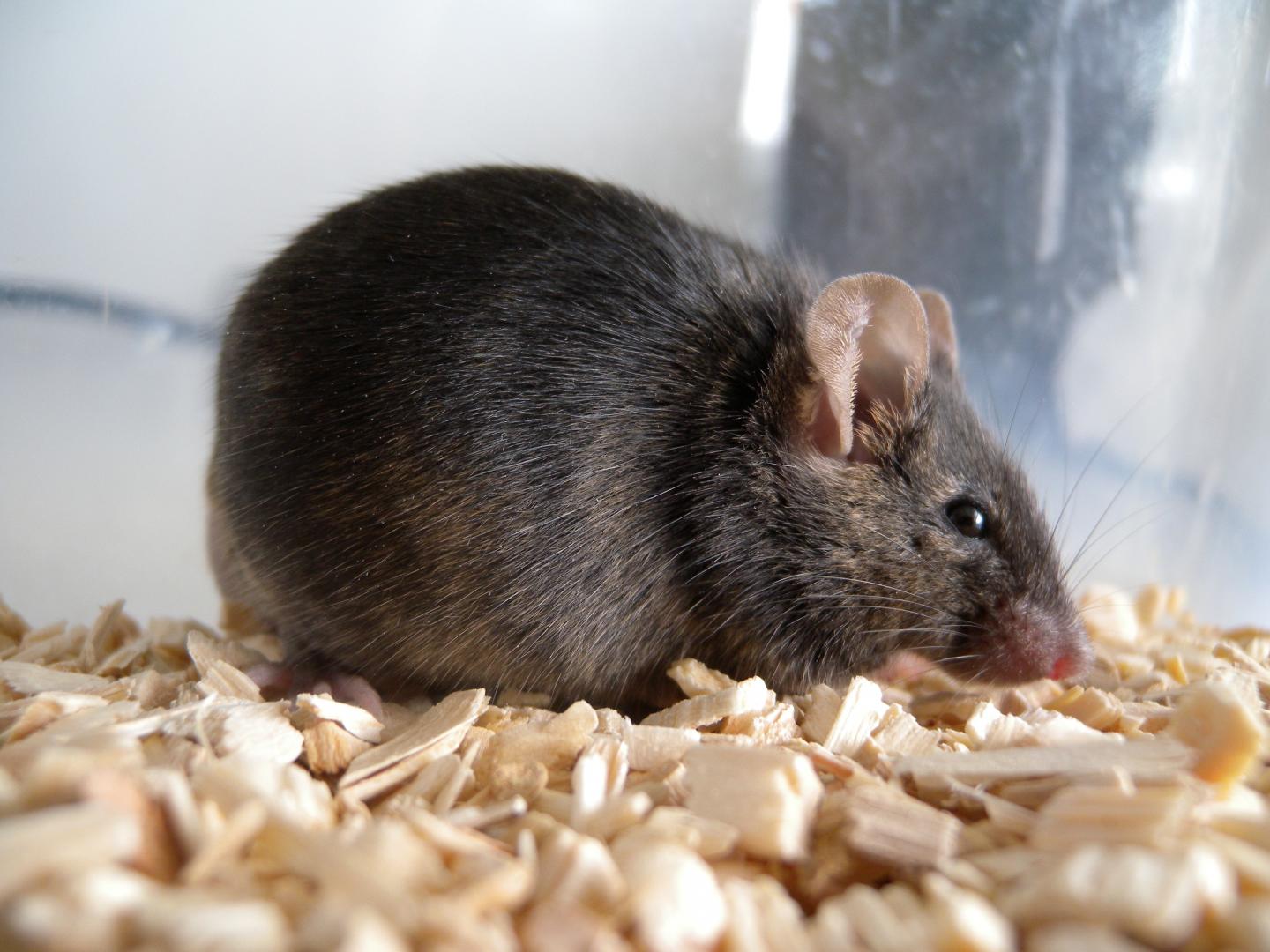
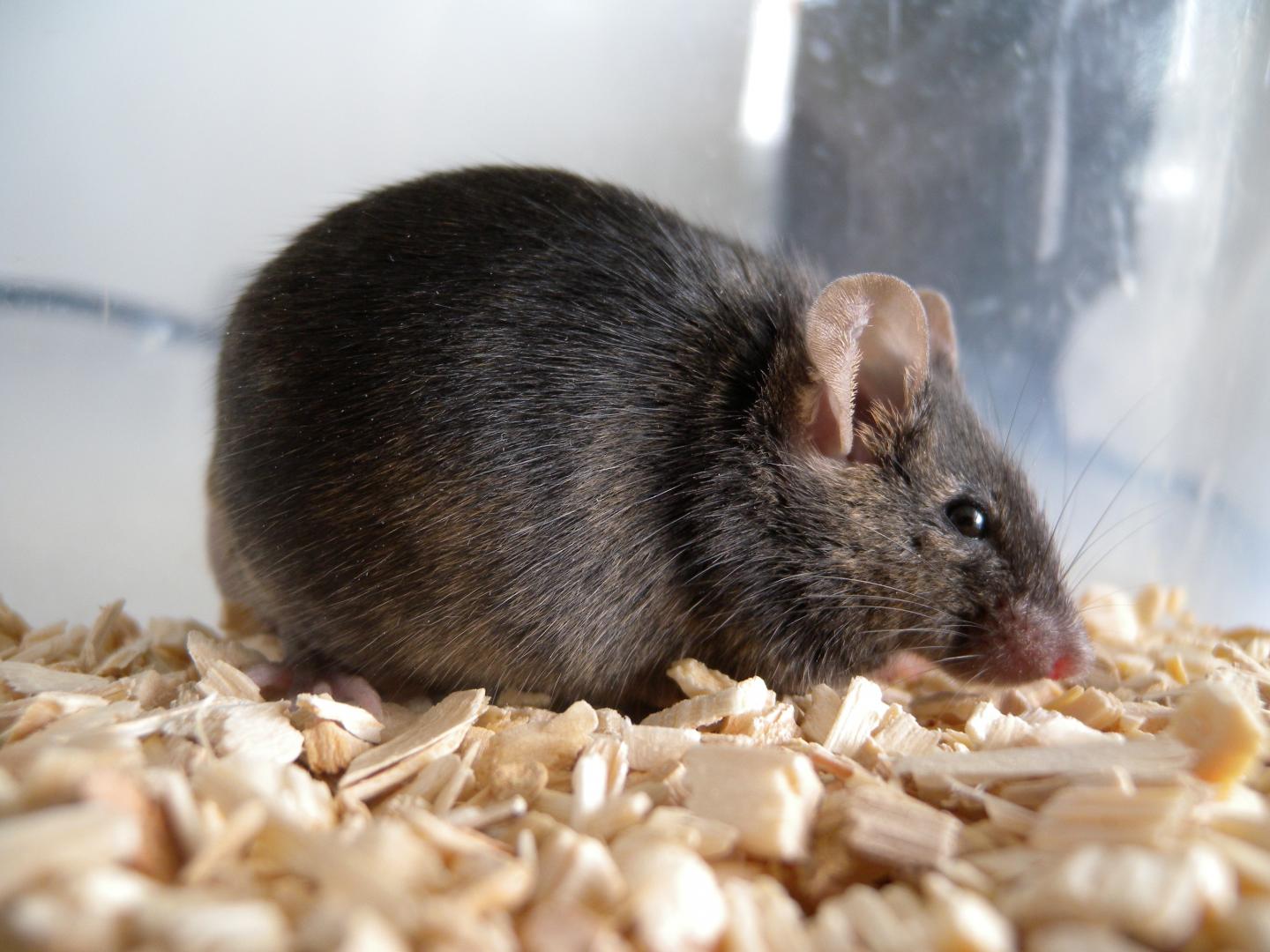
"We developed a so-called double-transgenic animal model for the purpose," notes Erben. Special donor and recipient lines of mice and rats were bred that expressed an artificially introduced human cell-surface protein, the placental alkaline phosphatase, ALPP, on all their cells to enable them to be traced. In addition, the ALPP of the recipient line differed from that of the donors at a single amino acid. As the two protein variants are almost identical, the immune system cannot distinguish the body's own cells from those of the donor. "Moreover, the mutation inactivates the otherwise heat-stable protein at high temperatures, allowing the recipient cells to be differentiated from the donor cells during the experiment," explains Erben.
New system as motivation for stem cell therapy
The idea of using a protein variant both to enable the detection of the tracking molecule and to deceive the immune system of the recipient lines can be applied in other animal models. ALPP – like the green fluorescent protein, GFP, and luciferase – is commonly used as a marker protein. "Unlike other tracking molecules, the two variants represent the perfect combination for stem cell research," says Erben.
The use of a double transgenic system without the loss of immunocompetence should support stem cell research in fields other than cartilage regeneration. "Our results contribute to our understanding of stem cell therapy, as they show for the first time that therapy stimulates the body's own cells to promote the regeneration of damaged connective tissue, such as cartilage," concludes Erben.
###
Service:
The article„Tracking mesenchymal stem cell contributions to regeneration in an immunocompetent cartilage regeneration model" by Daniela Zwolanek, María Satué, Verena Proell, José R. Godoy, Kathrin I. Odörfer, Magdalena Flicker, Sigrid C. Hoffmann, Thomas Rülicke and Reinhold G. Erben was published in JCI-Insight. https://insight.jci.org/articles/view/87322
About the University of Veterinary Medicine, Vienna
The University of Veterinary Medicine, Vienna in Austria is one of the leading academic and research institutions in the field of Veterinary Sciences in Europe. About 1,300 employees and 2,300 students work on the campus in the north of Vienna which also houses five university clinics and various research sites. Outside of Vienna the university operates Teaching and Research Farms. The Vetmeduni Vienna plays in the global top league: in 2017, it occupies the excellent place 8 in the world-wide Shanghai University veterinary in the subject "Veterinary Science". http://www.vetmeduni.ac.at
Scientific Contact:
Reinhold Erben
Unit of Physiology, Pathophysiology and Experimental Endocrinology
University of Veterinary Medicine Vienna (Vetmeduni Vienna)
43-1-25077-4550
[email protected]
Released by:
Georg Mair
Science Communication / Corporate Communications
University of Veterinary Medicine Vienna (Vetmeduni Vienna)
43-1-25077-1165
[email protected]
Media Contact
Reinhold Erben
[email protected]
43-125-077-4550
http://www.vetmeduni.ac.at
Original Source
http://www.vetmeduni.ac.at/en/infoservice/presseinformation/press-releases-2017/stem-cells-conduct-cartilage-regeneration-but-are-not-directly-involved/