A narrative review published in Biomedical Engineering Letters evaluates the development of implantable neuroprosthetic and neuromodulatory approaches designed to address severe voiding dysfunction.
Voiding dysfunction linked to neurogenic bladder, overactive bladder, and post-spinal cord injury disorders produces substantial patient morbidity across clinical populations. The investigators focused on clarifying the neurophysiological foundation of bladder control alongside the complex pathophysiology governing filling and emptying disorders.
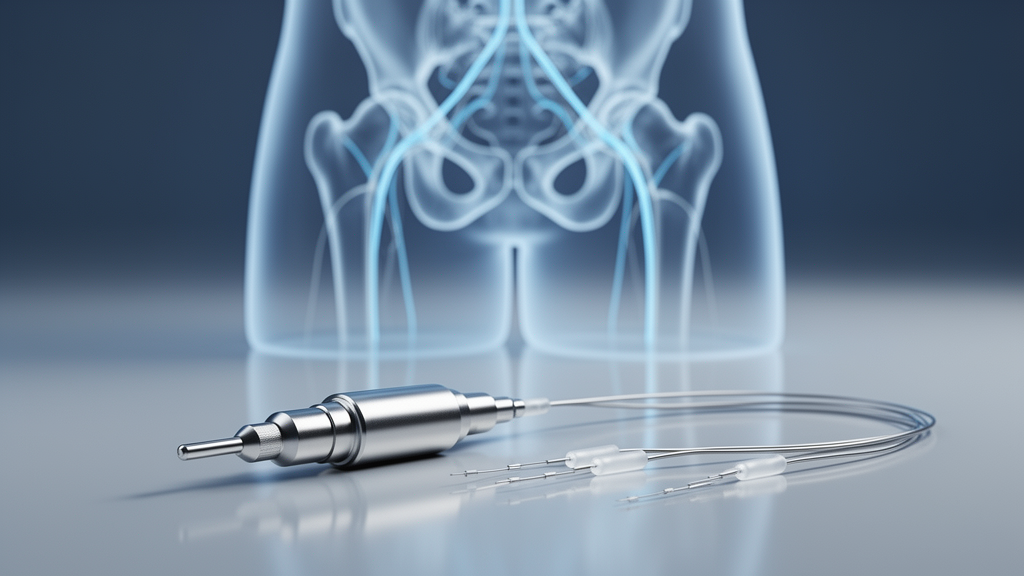
To assess the current state of technology, the authors synthesized published evidence across lower urinary tract neurophysiology and major neurologic etiologies. The review encompassed diverse hardware configurations, including implantable pelvic-nerve stimulators, sacral anterior root stimulators, sacral neuromodulation platforms, tibial nerve stimulation devices, and experimental closed-loop systems.
According to the findings, sacral neuromodulation and tibial nerve stimulation currently represent the most clinically mature modalities for managing lower urinary tract dysfunction. While these two approaches differ substantially in their surgical invasiveness, spatial selectivity, and programmability, both modalities rely strictly on open-loop operation. Even advanced platforms, such as the fully implanted eCoin tibial stimulator, deliver therapeutic stimulation without dynamically modulating parameters based on real-time physiologic feedback.
In contrast to conventional open-loop paradigms, closed-loop bladder neuroprosthetics adjust electrical stimulation dynamically according to measured bladder or neural signals. Rather than following fixed schedules, these responsive platforms utilize sensor feedback to tailor stimulation on demand.
Evidence supporting closed-loop systems currently derives primarily from animal models and small pilot investigations in human subjects. Within these experimental studies, sensing-driven stimulation has demonstrated higher voiding efficiency, reduced overall stimulation time, and successful suppression of detected unwanted bladder contractions relative to fixed-schedule protocols. However, the authors emphasize that robust, controlled clinical evidence validating these functional improvements in patient cohorts is currently lacking.
Looking ahead, the authors indicate that future multi-sensor, data-driven controllers and biomimetic bladder-sphincter systems may enable artificial bladder devices to more faithfully reproduce native micturition physiology.
Subject of Research: Implantable neuroprosthetic and neuromodulatory approaches for voiding dysfunction
Article Title: Neuroprosthetic and neuromodulation approaches for voiding dysfunction: from implantable bladder–pelvic interfaces to closed‑loop systems
Article References: Ryu, H., Yoo, J., Park, Y. E., & Park, J. Y. (2026). Neuroprosthetic and neuromodulation approaches for voiding dysfunction: from implantable bladder–pelvic interfaces to closed‑loop systems. Biomedical Engineering Letters. https://doi.org/10.1007/s13534-026-00633-5
Image Credits: AI Generated
DOI: 10.1007/s13534-026-00633-5
Keywords: neuroprosthetics, neuromodulation, voiding dysfunction, neurogenic bladder, overactive bladder, spinal cord injury, sacral neuromodulation, tibial nerve stimulation, eCoin, closed-loop systems, pelvic nerve stimulation, sacral anterior root stimulators, bladder control, sensing modalities, adaptive stimulation, voiding efficiency, bladder-sphincter systems
News Source: Gregory Coleman. (November 26, 2026). Review Evaluates Implantable Neuromodulation and Emerging Closed-Loop Systems for Voiding Dysfunction. Scienmag.