The concentration of the euphoriant THC in cannabis has tripled in the space of twenty years. The reason may be a systematic processing of the cannabis plants, some of which are being grown in skunk farms in Denmark.
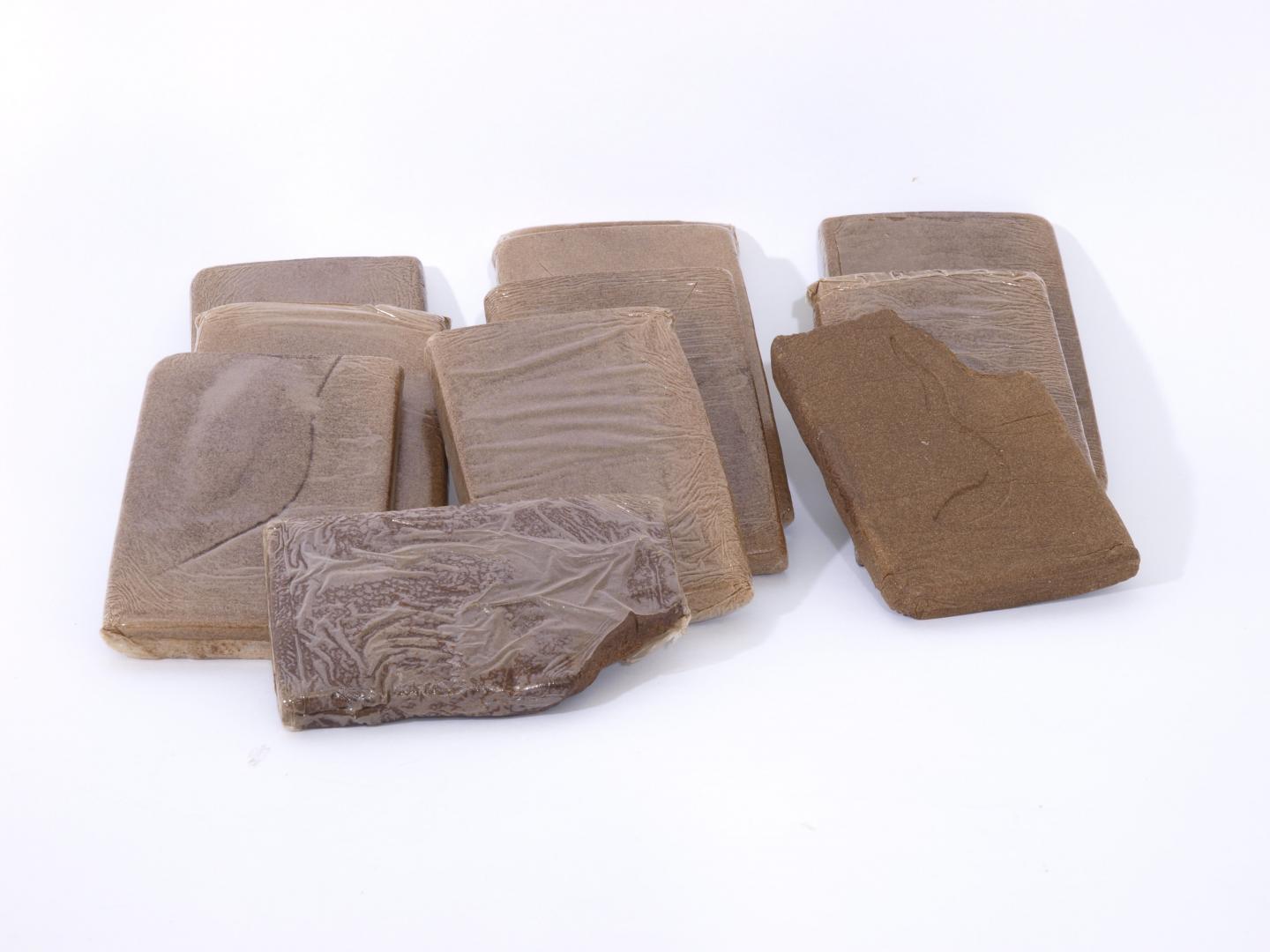
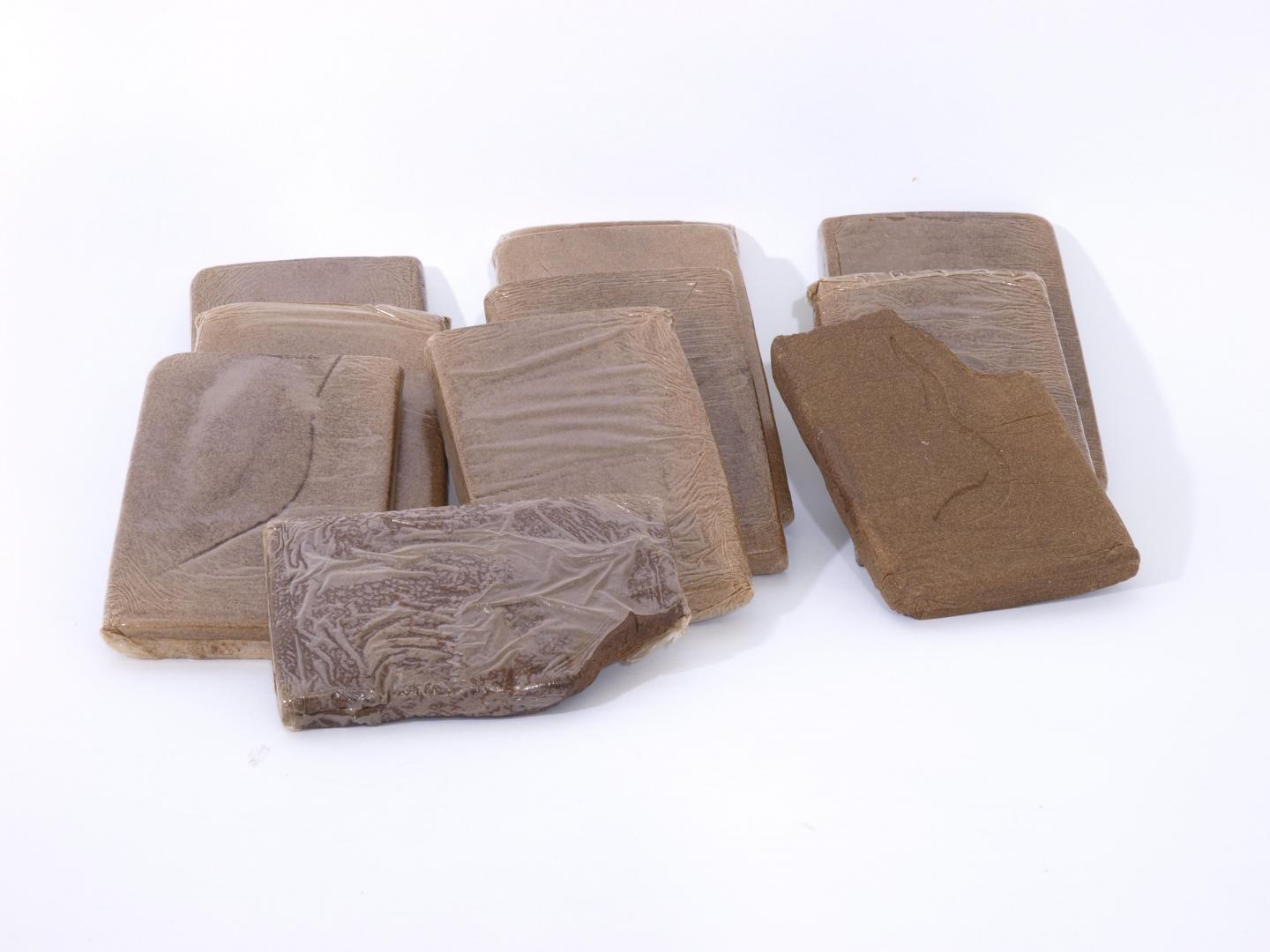
Cannabis being sold on the street in Denmark is stronger than previously measured. This is shown by analyses carried out by the three forensic chemistry departments in Denmark and processed by the Department of Forensic Medicine at Aarhus University. The levels are published in the Danish Health and Medicines Authority's annual narcotics report on 18 November.
Selected samples taken from the cannabis seized by the police in the three largest cities in Denmark is analysed at the forensic chemistry departments on a monthly basis. This provides an overall picture of the type of cannabis being sold on the street in Denmark, says Christian Lindholst, department head at the Department of Forensic Medicine at Aarhus University.
Remarkably high quality
Among professionals, the quality of cannabis is equivalent to the content of the psychoactive substance THC. Danish cannabis samples from 2014 have an average content of 28 per cent THC. The largest study of Danish cannabis so far is from 1992, where the drug's quality was measured as eight per cent. When compared with samples from the period 2000-2011, where the content of THC varied between 8-13 per cent, we are now seeing a remarkably high quality, according to Christian Lindholst.
"Cannabis as a product has changed significantly in just a few years. This is a trend we see around Europe. Swedish and Dutch studies describe a similar strong increase in the quality of cannabis," says Christian Lindholst.
Skunk farms provide good growth
The probable explanation for the increased quality can be found in new processed cannabis plants grown under new forms. Traditionally, cannabis plants are cultivated and harvested outdoors in countries such as Morocco and Lebanon. The outdoor growing conditions mean that the quality of the plants is low and that the ready-for-sale cannabis is not so potent. But today cannabis production has been to a greater extent transferred to the European countries, including Denmark, and takes place in what are known as cannabis farms. Processed cannabis plants (in Denmark known as skunk plants) are produced using artificial lighting, ventilation and fertiliser. In just a few months, the accelerated growth process results in plants with an extra large THC content. In addition to the elevated THC level, the processed types of cannabis also have a different composition of psychoactive substances. There is a suspicion that these changes increase the risk of harmful effects from smoking cannabis.
The high concentration of THC should lead to a discussion about the dangers of smoking cannabis, says Christian Lindholst.
"Cannabis of such high quality can lead to a greater risk of harm and adverse side effects. This is in particular a problem for the large group of young people who smoke it several times a month. The attitude among some groups in society is that smoking a joint once in a while doesn't do any harm. With the new knowledge we should increasingly view cannabis as a more dangerous and more risky drug," says Christian Lindholst.
###
Facts:
- THC is the primary psychoactive substance tetrahydrocannabinol.
- Cannabis, skunk and marijuana are designations and slang for the cannabis plant and its products. Skunk is particularly associated with a refined plant with an extra high content of THC.
- THC content in Danish cannabis has been measured at 28 per cent. Previous measurements have varied between 8-13 per cent. In 2012, the forensic chemistry departments saw an increase to 18 per cent.
- There are also reports of increasing levels of cannabis quality internationally.
- Since 2008, Danish police have seized a large number of cannabis farms. This trend has also been seen in other European countries.
- The cannabis samples have been analysed by the three forensic chemistry departments at the University of Southern Denmark, the University of Copenhagen and Aarhus University.
Contact:
Department Head Christian Lindholst
Department of Forensic Medicine, Aarhus University
Tel.: (+45) 8716 8331/(+45) 2093 9223
Kari Grasaasen
Head of the Danish focal point
Danish Health and Medicines Authority
-(+45) 72 22 77 57