• HOME
  • NEWS
  • EXPLORE
    • CAREER
      • Companies
      • Jobs
    • EVENTS
    • iGEM
      • News
      • Team
    • PHOTOS
    • VIDEO
    • WIKI
  • BLOG
  • COMMUNITY
    • FACEBOOK
    • INSTAGRAM
    • TWITTER
Saturday, February 7, 2026
BIOENGINEER.ORG
No Result
View All Result
  • Login
  • HOME
  • NEWS
  • EXPLORE
    • CAREER
      • Companies
      • Jobs
        • Lecturer
        • PhD Studentship
        • Postdoc
        • Research Assistant
    • EVENTS
    • iGEM
      • News
      • Team
    • PHOTOS
    • VIDEO
    • WIKI
  • BLOG
  • COMMUNITY
    • FACEBOOK
    • INSTAGRAM
    • TWITTER
  • HOME
  • NEWS
  • EXPLORE
    • CAREER
      • Companies
      • Jobs
        • Lecturer
        • PhD Studentship
        • Postdoc
        • Research Assistant
    • EVENTS
    • iGEM
      • News
      • Team
    • PHOTOS
    • VIDEO
    • WIKI
  • BLOG
  • COMMUNITY
    • FACEBOOK
    • INSTAGRAM
    • TWITTER
No Result
View All Result
Bioengineer.org
No Result
View All Result
Home Headlines

Science confirms you should stop and smell the roses

Bioengineer.org by Bioengineer.org
January 29, 2018
in Headlines, Health, Science News
Reading Time: 2 mins read
0
Share on FacebookShare on TwitterShare on LinkedinShare on RedditShare on Telegram
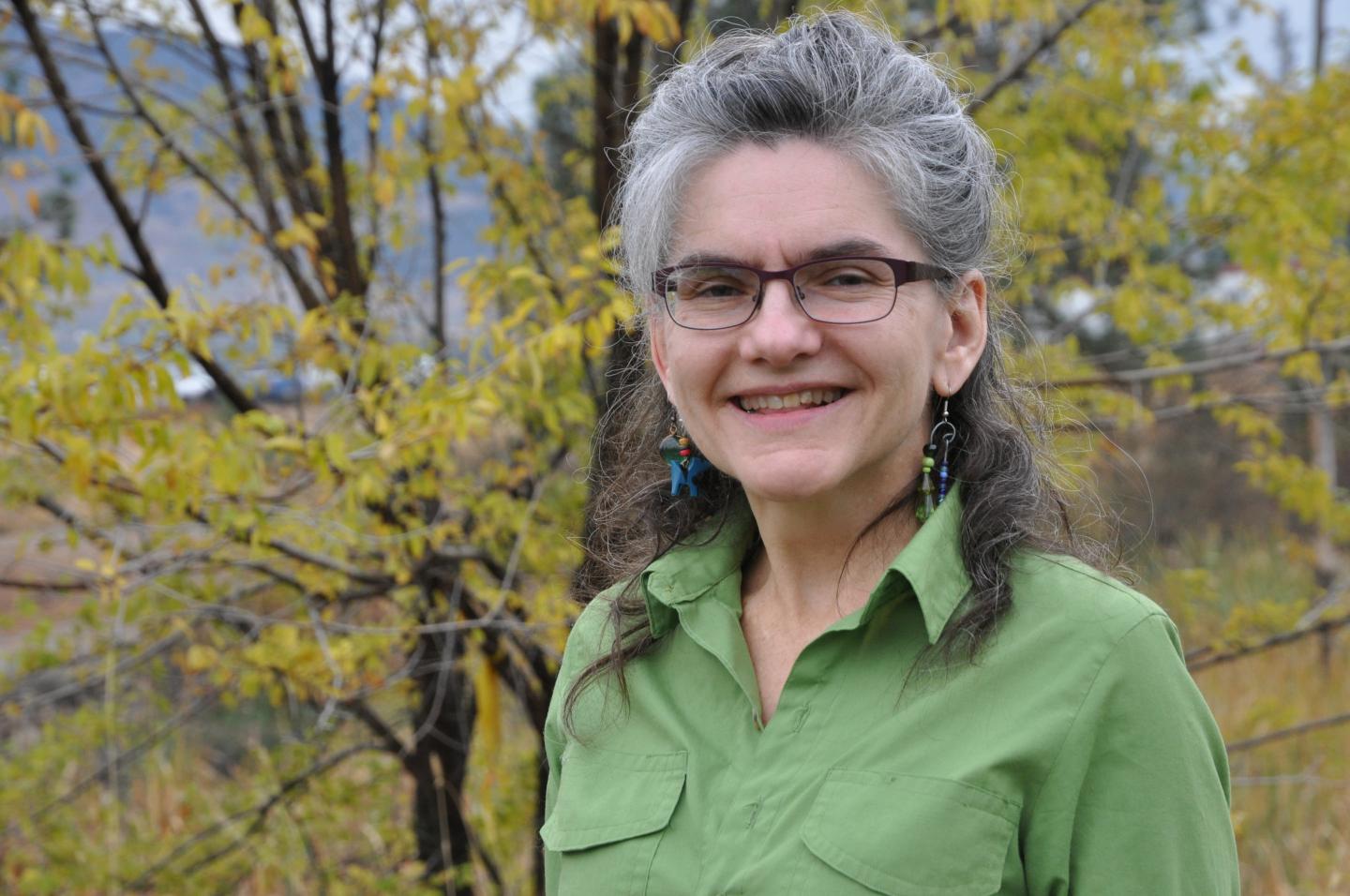
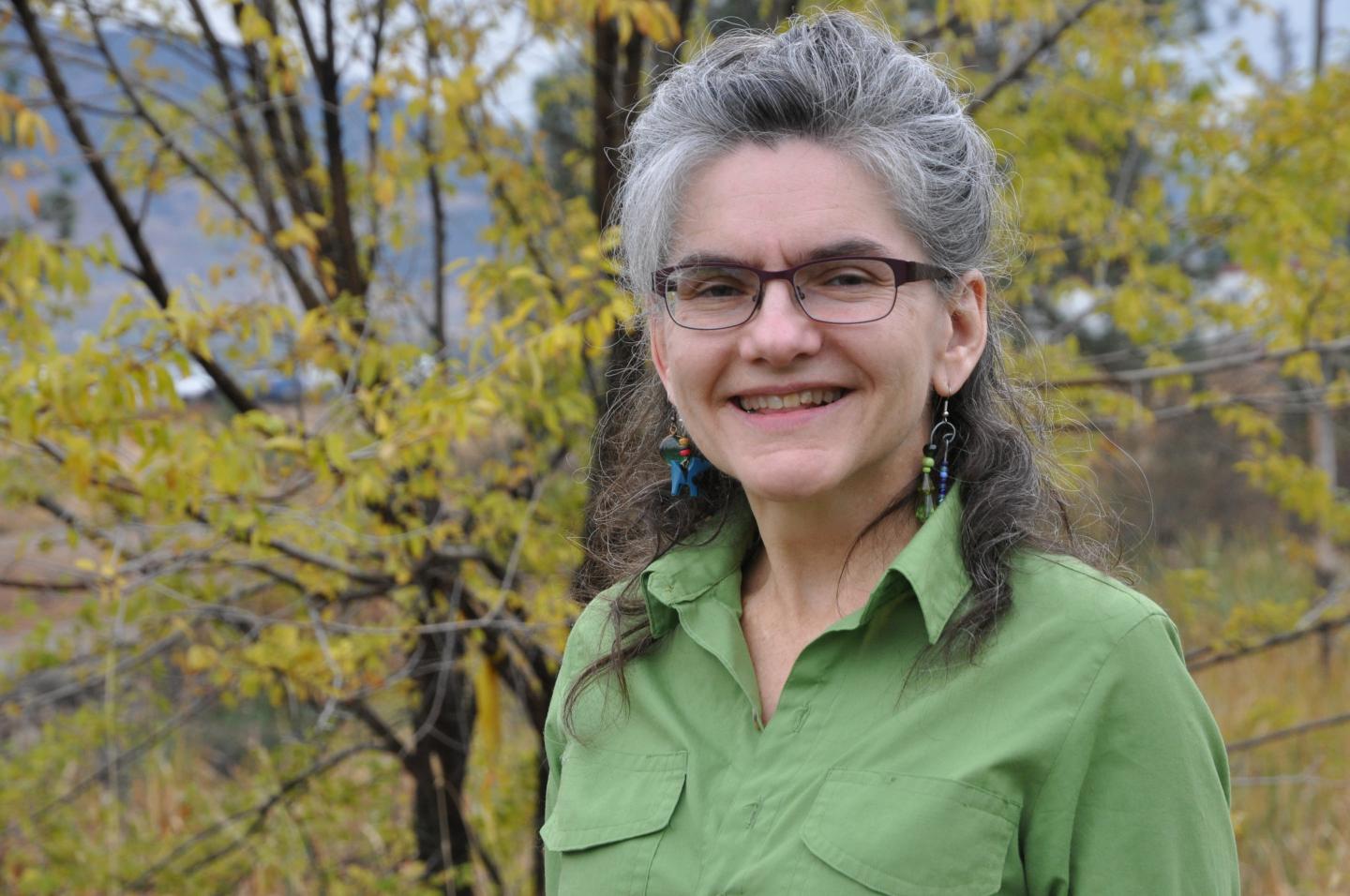
IMAGE

Credit: UBC Okanagan

Is it any wonder that most happiness idioms are associated with nature? Happy as a pig in muck, happy as a clam, happy camper.

A UBC researcher says there's truth to the idea that spending time outdoors is a direct line to happiness. In fact, Holli-Anne Passmore says if people simply take time to notice the nature around them, it will increase their general happiness and well-being.

Passmore, a PhD psychology student at UBC's Okanagan campus, recently published research examining the connection between taking a moment to look at something from the natural environment and personal well-being. A recent study involved a two-week 'intervention' where participants were asked to document how nature they encountered in their daily routine made them feel. They took a photo of the item that caught their attention and jotted down a short note about their feelings in response to it.

Other participants tracked their reactions to human-made objects, took a photo and jotted down their feelings, while a third group did neither. Passmore explains that examples of nature could be anything not human built: a house plant, a dandelion growing in a crack in a sidewalk, birds, or sun through a window.

"This wasn't about spending hours outdoors or going for long walks in the wilderness," Passmore says. "This is about the tree at a bus stop in the middle of a city and the positive effect that one tree can have on people."

Passmore, who studies wellness, says she was 'overwhelmed' not only by the response of her 395 study participants–more than 2,500 photos and descriptions of emotions were submitted–but also by the impact that simply noticing emotional responses to nearby nature had on personal well-being. And their prosocial orientation–a willingness to share resources and the value they placed on community.

There is scientific documentation that people who live in greenspaces generally seem to be happier, and may live longer than those who don't. Passmore is taking that research further. This study is one of a series by a research team in UBC Okanagan's psychology department known as the "Happy Team" which is providing evidence that nature can increase happiness.

"The difference in participants' well-being–their happiness, sense of elevation, and their level of connectedness to other people, not just nature–was significantly higher than participants in the group noticing how human-built objects made them feel and the control group."

###

Passmore's research, recently published in the Journal of Positive Psychology, is supported by the Social Sciences and Humanities Research Council of Canada.

Media Contact

Patty Wellborn
[email protected]
250-807-8463

http://ok.ubc.ca/welcome.html

Original Source
Science confirms you should stop and smell the roses

Share12Tweet7Share2ShareShareShare1

Related Posts

Evaluating Pediatric Emergency Care Quality in Ethiopia

February 7, 2026

TPMT Expression Predictions Linked to Azathioprine Side Effects

February 7, 2026

Improving Dementia Care with Enhanced Activity Kits

February 7, 2026

Decoding Prostate Cancer Origins via snFLARE-seq, mxFRIZNGRND

February 7, 2026
Please login to join discussion

POPULAR NEWS

  • Robotic Ureteral Reconstruction: A Novel Approach

    Robotic Ureteral Reconstruction: A Novel Approach

    82 shares
    Share 33 Tweet 21
  • Digital Privacy: Health Data Control in Incarceration

    63 shares
    Share 25 Tweet 16
  • Study Reveals Lipid Accumulation in ME/CFS Cells

    57 shares
    Share 23 Tweet 14
  • Breakthrough in RNA Research Accelerates Medical Innovations Timeline

    53 shares
    Share 21 Tweet 13

About

We bring you the latest biotechnology news from best research centers and universities around the world. Check our website.

Follow us

Recent News

Evaluating Pediatric Emergency Care Quality in Ethiopia

TPMT Expression Predictions Linked to Azathioprine Side Effects

Improving Dementia Care with Enhanced Activity Kits

Subscribe to Blog via Email

Success! An email was just sent to confirm your subscription. Please find the email now and click 'Confirm' to start subscribing.

Join 73 other subscribers
  • Contact Us

Bioengineer.org © Copyright 2023 All Rights Reserved.

Welcome Back!

Login to your account below

Forgotten Password?

Retrieve your password

Please enter your username or email address to reset your password.

Log In
No Result
View All Result
  • Homepages
    • Home Page 1
    • Home Page 2
  • News
  • National
  • Business
  • Health
  • Lifestyle
  • Science

Bioengineer.org © Copyright 2023 All Rights Reserved.