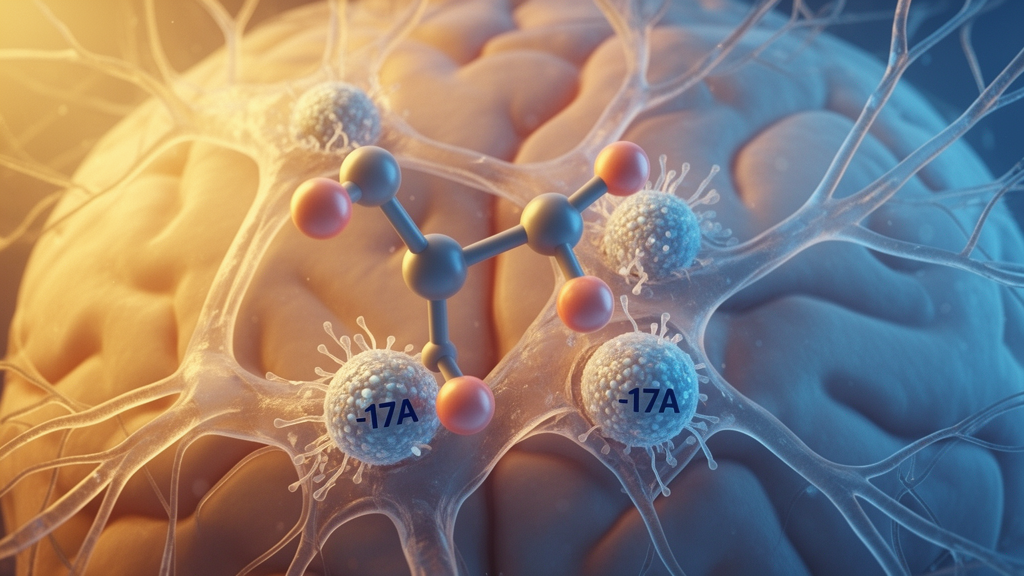
Neutralizing the cytokine interleukin-17A ameliorates blood-brain barrier leakage, dampens neuroinflammation, and improves cognitive function in aged mice experiencing chronic cerebral hypoperfusion, according to findings published in the Journal of Neuroinflammation. The investigation reveals that chronic restriction of cerebral blood flow triggers distinct, subset-specific alterations among brain-infiltrating T cells in aged subjects, identifying elevated interleukin-17A signaling as a key contributor to cognitive decline.
Vascular dementia is recognized as the second leading cause of cognitive impairment among elderly individuals, and chronic cerebral hypoperfusion represents a major factor contributing to its development. Prior evidence has indicated that T cells play substantial roles in modulating neurodegeneration and cognitive outcomes. However, the exact manner in which chronic cerebral hypoperfusion influences brain-infiltrating T cells—particularly within the biological context of advanced age—has previously remained poorly understood.
To characterize the cellular dynamics occurring in the hypoperfused aged brain, researchers subjected aged mice to chronic cerebral hypoperfusion and systematically examined their T cell populations. The experimental protocol combined single-cell RNA sequencing, flow cytometry, and quantitative polymerase chain reaction techniques to evaluate the phenotypic composition and gene expression profiles of T cells that infiltrated the brain tissue.
The induction of chronic cerebral hypoperfusion resulted in significant cognitive impairment in the aged animal cohort. Within the aged brain tissue, prolonged hypoperfusion elicited selective and subset-specific increases across several specific T cell groups, including gamma-delta T cells, Th17 cells, regulatory T cells, and proliferating T cells, demonstrating that the immune response to reduced blood flow is heterogeneous across cell types.
Further transcriptomic evaluation identified distinct transcriptional changes occurring across the separate T cell subsets, accompanied by minimal overlap in differentially expressed genes between the different populations. Alterations in the composition of these T cell subsets contributed substantially to the overall transcriptional modifications observed in brain T cells, with Il17a emerging as the most significantly upregulated gene in the profiled tissue.
To test whether targeting this pathway could provide therapeutic benefit, the authors evaluated cerebral blood flow, blood-brain barrier integrity, microglial inflammation, and cognitive performance in aged mice subjected to chronic cerebral hypoperfusion. The experimental animals were treated with either a targeted IL-17A-neutralizing antibody or an isotype control to evaluate differences in physiological and neurological outcomes.
Treatment with the IL-17A-neutralizing antibody successfully ameliorated blood-brain barrier leakage, suppressed microglial neuroinflammation, and improved measurable cognitive function in the aged mice with chronic cerebral hypoperfusion. The study demonstrates that chronic hypoperfusion drives subset-specific shifts in brain-infiltrating T cells and indicates that increased interleukin-17A expression contributes directly to the pathogenesis of aging-associated vascular dementia.
Subject of Research: Brain-infiltrating T cell changes and IL-17A neutralization in aged mice with chronic cerebral hypoperfusion
Article Title: Single-cell transcriptomic profiling reveals subset specific changes in brain T cells in an aged mouse model of chronic cerebral hypoperfusion
Article References: Jiang, N., Tan, X., Sung, C.-C., & Yang, Q. (2026). Single-cell transcriptomic profiling reveals subset specific changes in brain T cells in an aged mouse model of chronic cerebral hypoperfusion. Journal of Neuroinflammation. https://doi.org/10.1186/s12974-026-04096-4
Image Credits: AI Generated
DOI: 10.1186/s12974-026-04096-4
Keywords: chronic cerebral hypoperfusion, vascular dementia, brain-infiltrating T cells, interleukin-17A, single-cell RNA sequencing, flow cytometry, qPCR, blood-brain barrier integrity, microglial inflammation, cognitive impairment, aged mice, gamma-delta T cells, Th17 cells, regulatory T cells, proliferating T cells, neuroinflammation
News Source: Cassandra Pierce. (November 19, 2026). Neutralizing IL-17A Improves Cognition in Aged Mice With Chronic Hypoperfusion. Scienmag.