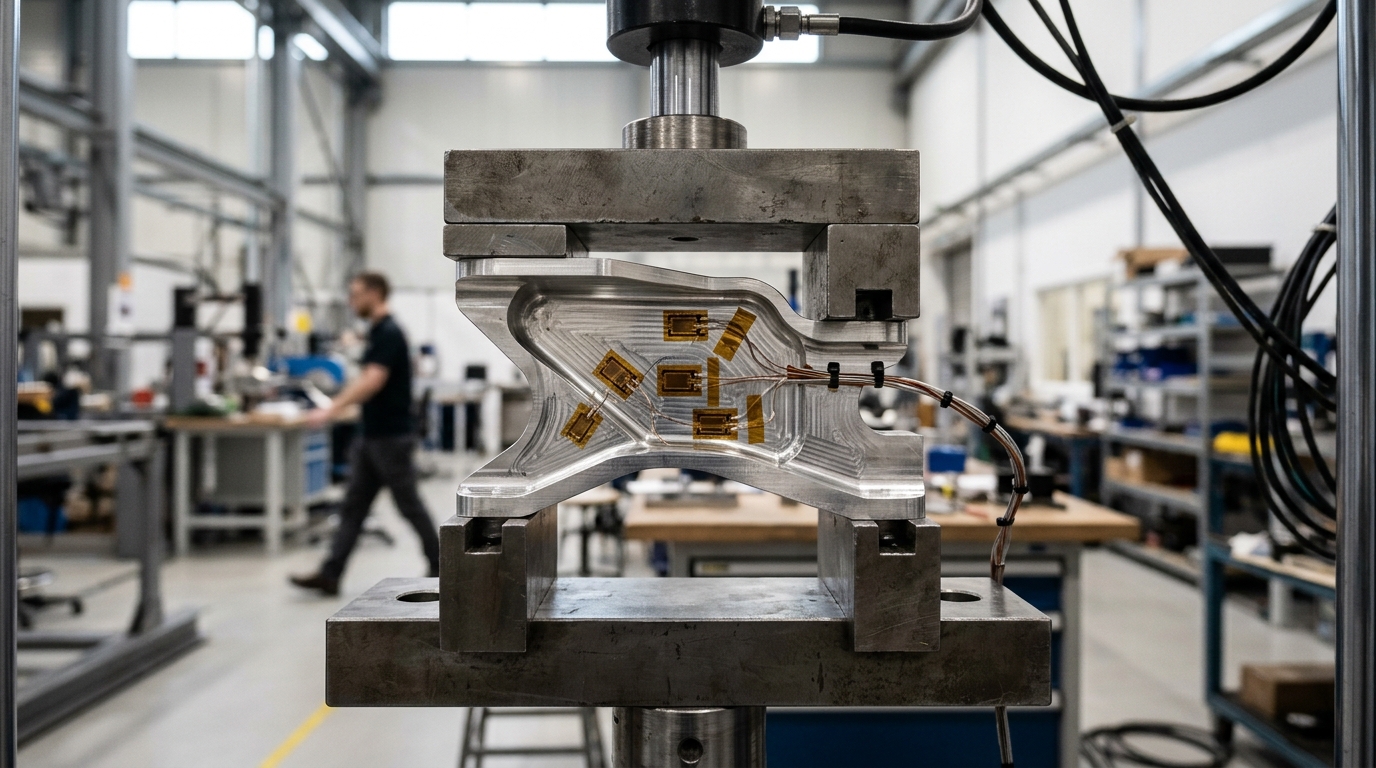
An optimization model that integrates machine learning with monarch butterfly optimization has achieved a 92.14 percent accuracy rate in five-fold cross-validation when ranking engineering test reports, according to research published in the International Journal of Computational Intelligence Systems. Developed by researchers Yechang Gao and Liang Hua, the system is named the Efficient Monarch Butterfly Optimized Light Gradient Boosting Machine, or EMB-LGBM. The model is designed to automate and optimize test report generation to assist engineering teams during complex testing workflows.
In modern engineering system testing, the efficient generation of test reports serves as a vital component for diagnosing bugs and system defects. These comprehensive reports allow technical personnel to determine the overall quality of a product and provide critical evidence required when making operational decisions regarding those products.
However, generating these evaluation reports manually has become increasingly complex and cumbersome. The research authors point to an ongoing explosion of test data driven by rising system complexity, an issue that is especially acute in environments utilizing test data crowdsourcing, where massive data volumes overwhelm traditional manual compilation methods.
To resolve these data management bottlenecks, the researchers formulated an optimized test report generation framework using machine learning algorithms. The resulting EMB-LGBM model dynamically adjusts crossover and mutation probabilities based on real-time population metrics. Specifically, the machine learning system monitors average fitness, best fitness, and population diversity throughout the optimization process.
This dynamic adjustment mechanism allows the optimization framework to adapt rapidly during its early iterations while consistently maintaining its exploration capability in later stages. By balancing early-stage convergence with sustained late-stage exploration, the model effectively avoids becoming trapped in local optima during test report ranking procedures.
The investigators validated the EMB-LGBM model using publicly available engineering test datasets and benchmarked its performance directly against multiple traditional optimization approaches. The experimental results demonstrated that the proposed model significantly improves report diversity, severity relevance, convergence speed, and population uniformity, all while substantially reducing required execution time.
Overall, the proposed model delivers more informative and well-structured test reports with greater efficiency than conventional methods, culminating in a 92.14 percent five-fold cross-validation accuracy. The authors concluded that the research contributes a scalable and intelligent solution to test report ranking challenges in modern engineering environments, facilitating improved quality assurance and enabling faster engineering development cycles.
The study was conducted as an open-access research effort published in the International Journal of Computational Intelligence Systems.
Subject of Research: Machine learning optimization for engineering test report generation
Article Title: Machine Learning-enabled Test Report Generation Optimization Model with Engineering Applications
Article References: Gao, Y., & Hua, L. (2026). Machine Learning-enabled Test Report Generation Optimization Model with Engineering Applications. International Journal of Computational Intelligence Systems. https://doi.org/10.1007/s44196-026-01583-7
Image Credits: AI Generated
DOI: 10.1007/s44196-026-01583-7
Keywords: machine learning, test report generation, EMB-LGBM, Light Gradient Boosting Machine, monarch butterfly optimization, engineering system testing, crowdsourced test data, test report ranking, cross-validation accuracy, population diversity, crossover probability, mutation probability, convergence speed, population uniformity, severity relevance, quality assurance, bug diagnosis, local optima avoidance
News Source: Denise Maddox. (November 18, 2026). Machine Learning Model Optimizes Engineering Test Reports With 92 Percent Accuracy. Scienmag.