• HOME
  • NEWS
  • EXPLORE
    • CAREER
      • Companies
      • Jobs
    • EVENTS
    • iGEM
      • News
      • Team
    • PHOTOS
    • VIDEO
    • WIKI
  • BLOG
  • COMMUNITY
    • FACEBOOK
    • INSTAGRAM
    • TWITTER
Thursday, November 19, 2026
BIOENGINEER.ORG
No Result
View All Result
  • Login
  • HOME
  • NEWS
  • EXPLORE
    • CAREER
      • Companies
      • Jobs
        • Lecturer
        • PhD Studentship
        • Postdoc
        • Research Assistant
    • EVENTS
    • iGEM
      • News
      • Team
    • PHOTOS
    • VIDEO
    • WIKI
  • BLOG
  • COMMUNITY
    • FACEBOOK
    • INSTAGRAM
    • TWITTER
No Result
View All Result
Bioengineer.org
No Result
View All Result
Home NEWS Science News Biology

Grazing Exclusion Promotes Shrub Encroachment by Increasing Surface Soil Sand Content

by
November 18, 2026
in Biology
Reading Time: 2 mins read
0
Grazing Exclusion Promotes Shrub Encroachment by Increasing Surface Soil Sand Content

Grazing Exclusion Promotes Shrub Encroachment by Increasing Surface Soil Sand Content

Share on FacebookShare on TwitterShare on LinkedinShare on RedditShare on Telegram

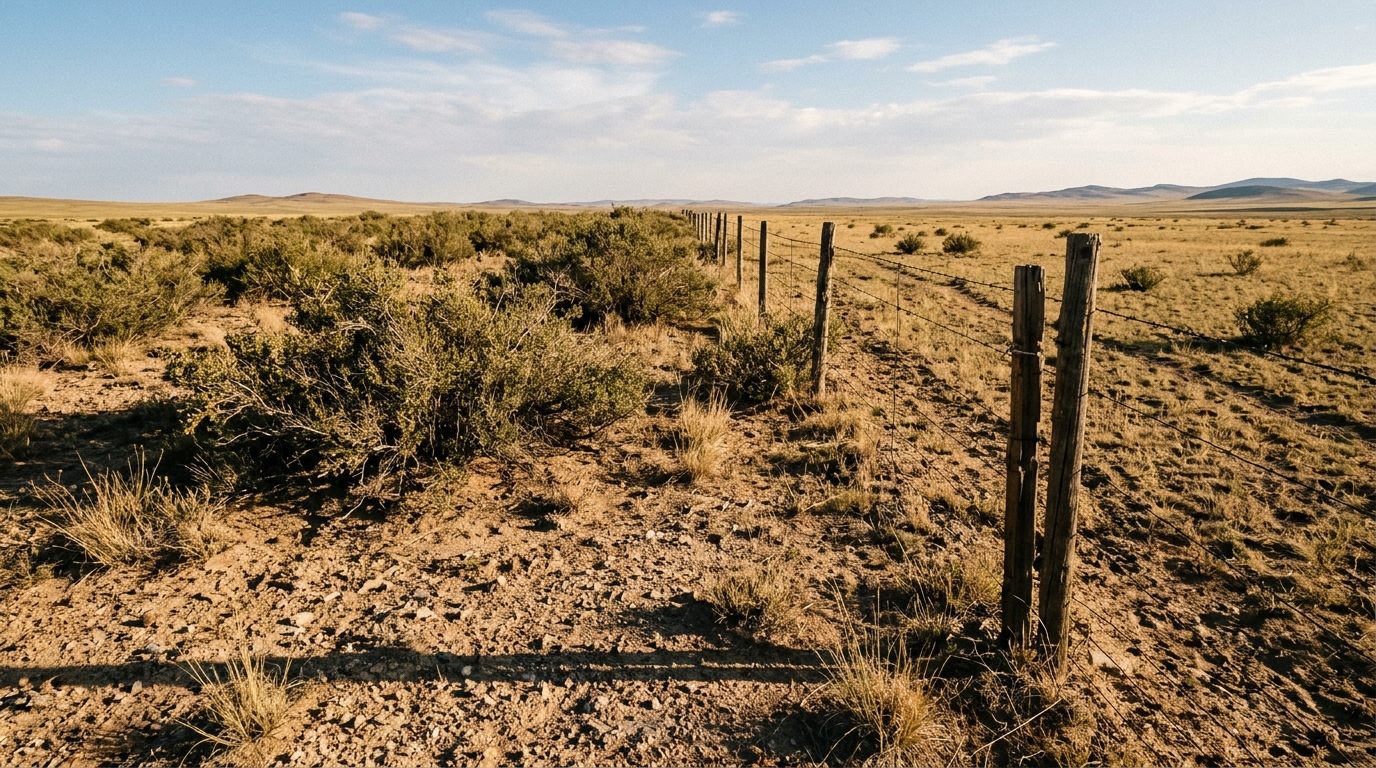
A recent experimental study conducted in Inner Mongolia, China, demonstrates that protecting grassland from livestock grazing leads to a significant increase in surface soil sand content, which subsequently creates favorable conditions for shrub proliferation. These findings highlight a critical link between management practices and geomorphological processes in dryland regions.

Researchers compared vegetation characteristics and soil substrate properties inside fenced exclosures against those in adjacent grazed areas. The goal was to quantify how grazing pressure influences shrub expansion and determine the specific soil-mediated pathways regulating these vegetation shifts.

Observations revealed that the fenced exclosure treatment resulted in a substantial increase in total shrub crown area, which rose from an average of 4.50 ± 1.87 square meters to 11.90 ± 4.79 square meters. Detailed analysis indicated that this expansion was primarily driven by higher shrub density, which contributed 60.8% of the total observed increase, rather than the growth of individual established plants.

Beyond changes in plant metrics, the investigation identified a significant increase in surface soil sand content within the fenced areas, recording a z-score of 0.659 with a p-value of less than 0.01. The shift toward a sandier substrate creates an abiotic environment that promotes the density and crown coverage of encroaching shrubs.

Statistical evaluation using linear mixed models and dual-layer partial least squares path modeling confirmed that sand content positively influenced both shrub density and total crown area. The path model further showed that these sand-mediated effects accounted for approximately half of the estimated fencing effect on shrub vegetation, with an indirect effect of +0.863 (p < 0.001).

Conversely, soil chemical properties including pH, total potassium, and total phosphorus showed no significant response to the fencing treatment. This lack of change in nutrient availability suggests that substrate texture, rather than shifts in soil fertility, is the dominant driver of shrub expansion in this desert steppe system. The research underscores the necessity of incorporating aeolian sediment dynamics into ecosystem management frameworks to better predict and control shrub encroachment in dryland grasslands.

Subject of Research: Shrub encroachment in desert steppe ecosystems

Article Title: Grazing exclusion promotes shrub encroachment via increased sand content in the desert steppe of Inner Mongolia, China

Article References: Dong, L., Tian, X., Wang, J., Lu, S., Zhang, H., Gao, R., Tang, Z., Zheng, Y., & Mi, W. (2026). Grazing exclusion promotes shrub encroachment via increased sand content in the desert steppe of Inner Mongolia, China. BMC Plant Biology. https://doi.org/10.1186/s12870-026-10403-1

Image Credits: AI Generated

DOI: 10.1186/s12870-026-10403-1

Keywords: Shrub encroachment, Grazing exclusion, Desert steppe, Inner Mongolia, Aeolian processes, Sand content, Soil texture, Vegetation transition, Rangeland management, Ecosystem dynamics, Fencing experiment, Shrub density, Dryland ecology, Geomorphology, Soil properties, Plant-soil interactions, Ecological research, China, Dryland grasslands, Vegetation management

News Source: Gavin Prescott. (November 18, 2026). Grazing Exclusion Promotes Shrub Encroachment by Increasing Surface Soil Sand Content. Scienmag.


Tags: Aeolian processesChinadesert steppeDryland EcologyDryland grasslandsecological researchecosystem dynamicsFencing experimentGeomorphologygrazing exclusionInner Mongoliaplant–soil interactionsrangeland managementSand contentshrub densityshrub encroachmentsoil propertiessoil texturevegetation managementVegetation transition
Share12Tweet7Share2ShareShareShare1

Related Posts

Benchmark Shows Short-Read Single-Cell RNA Sequencing Stumbles on Young Transposable Elements

Benchmark Shows Short-Read Single-Cell RNA Sequencing Stumbles on Young Transposable Elements

November 19, 2026
Xiaoyao San Requires Gut Bacteria to Ease Depressive Behaviors in Mice

Xiaoyao San Requires Gut Bacteria to Ease Depressive Behaviors in Mice

November 19, 2026

New Single-Cell Framework Maps Genetic Risk Variants to Disease-Associated Cell Subpopulations

November 19, 2026

Biotelemetry Array Identifies Wild Murray Cod Nesting Sites in Turbid Waters

November 19, 2026

POPULAR NEWS

  • Review Outlines Extraction and Health Benefits of Blackcurrant Polysaccharides

    Review Outlines Extraction and Health Benefits of Blackcurrant Polysaccharides

    29 shares
    Share 12 Tweet 7
  • Canadian Focus Groups Reveal Core Lessons for Wildlife One Health Integration

    29 shares
    Share 12 Tweet 7
  • Bevacizumab Biosimilar Shows Similar Blood Clot Risk to Reference Drug in Cancer Study

    29 shares
    Share 12 Tweet 7
  • Biotelemetry Array Identifies Wild Murray Cod Nesting Sites in Turbid Waters

    29 shares
    Share 12 Tweet 7

About

We bring you the latest biotechnology news from best research centers and universities around the world. Check our website.

Follow us

Recent News

Biomarker Ratio Predicts Mortality in Chronic Active Epstein–Barr Virus Complication

MTHFR Variant Links to Homocysteine but Not Recorded Pregnancy Loss

Survey Evaluates Herbal Medicine Use and Reactions Among Pregnant Korean Doctors

Subscribe to Blog via Email

Enter your email address to subscribe to this blog and receive notifications of new posts by email.

Join 90 other subscribers
  • Contact Us

Bioengineer.org © Copyright 2023 All Rights Reserved.

Welcome Back!

Login to your account below

Forgotten Password?

Retrieve your password

Please enter your username or email address to reset your password.

Log In
No Result
View All Result
  • Homepages
    • Home Page 1
    • Home Page 2
  • News
  • National
  • Business
  • Health
  • Lifestyle
  • Science

Bioengineer.org © Copyright 2023 All Rights Reserved.