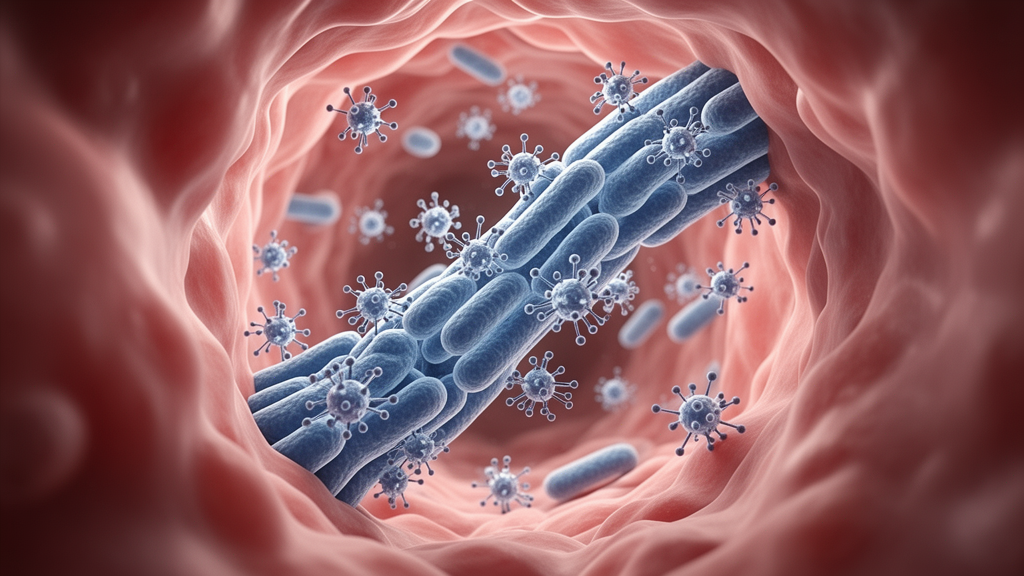
A narrative review published in Microbial Cell Factories examines synthetic biology strategies designed to engineer bacteriophages against intracellular tumor-associated bacteria for precision oncology. Within the complex tumor microenvironment, microbial components exist alongside malignant, stromal, and immune cell populations. Molecular profiling and spatial imaging technologies have successfully detected intracellular bacteria and bacterial signals in selected tumor types, although researchers emphasize that bacterial viability, localization patterns, and overall functional significance vary substantially across different tumor classifications and experimental settings.
The presence of specific tumor-associated bacteria has drawn increasing clinical interest because these microorganisms can actively influence cancer progression and alter how tumors respond to therapeutic regimens. These observations have motivated the development of targeted strategies for selective microbial intervention. Bacteriophages represent an appealing platform for such interventions due to their inherent bacterial specificity and adaptable synthetic biology engineering potential. Nonetheless, navigating physical barriers to achieve intracellular delivery inside tumor-associated cells remains a critical challenge.
To address these therapeutic hurdles, the review evaluates three distinct synthetic biology strategies that utilize engineered phages. The first proposed approach involves the direct lytic elimination of intracellular target bacteria. The second strategy explores the functional modification of bacteria residing within host cells. The third approach utilizes phage-mediated delivery to direct intracellular bacteria to manufacture and release therapeutic payloads within the tumor site.
Current scientific support for these phage-based concepts is currently restricted to isolated components demonstrated in specialized laboratory systems. Relevant empirical evidence has emerged from mammalian-cell uptake assays, experimental models of intracellular bacterial infection, and early cancer cell-bacterium co-culture platforms. While these preliminary investigations demonstrate that individual mechanistic steps are feasible in controlled in vitro environments, comprehensive in vivo validation remains absent.
Crucially, the complete biological sequence connecting systemic administration of engineered phages to intracellular bacterial eradication and subsequent antitumor immune reprogramming has not yet been demonstrated. The authors observe that this integrated therapeutic chain remains unverified in both orthotopic tumor animal models and human tumor organoid systems, leaving substantial gaps between current laboratory observations and potential translational utility.
Consequently, the authors propose the concept of the intracellular scalpel as a testable scientific hypothesis rather than a validated treatment methodology. The review assesses how this strategy might eventually interface with established cancer therapies and exploratory adjuvants. Moving forward, the researchers stress that overcoming cellular delivery barriers, adhering to biosafety standards, addressing evidence limitations, and establishing rigorous preclinical measurements will be essential to verify whether targeting intracellular bacteria can genuinely improve cancer therapy outcomes.
Subject of Research: Engineered bacteriophages targeting intracellular tumor-associated bacteria
Article Title: Synthetic biology strategies for engineering bacteriophages against intracellular tumor-associated bacteria: emerging tools for precision oncology
Article References: Chen, X., Zhang, J., Li, J., & Du, H. (2026). Synthetic biology strategies for engineering bacteriophages against intracellular tumor-associated bacteria: emerging tools for precision oncology. Microbial Cell Factories. https://doi.org/10.1186/s12934-026-03160-1
Image Credits: AI Generated
DOI: 10.1186/s12934-026-03160-1
Keywords: bacteriophages, synthetic biology, intracellular bacteria, tumor microenvironment, precision oncology, microbial cell factories, lytic elimination, therapeutic payloads, orthotopic tumor models, tumor organoids, cancer cell co-cultures, intracellular scalpel, bacterial drug delivery, immune reprogramming, mammalian cell uptake, intracellular infection models
News Source: Nathaniel Bowman. (November 18, 2026). Review Examines Engineered Bacteriophages Targeting Intracellular Tumor Bacteria. Scienmag.