Standard clinical examination manoeuvres and targeted palpation tests do not correlate with deficits in lower-limb isometric strength or dynamic functional performance among physically active adults experiencing chronic groin pain, according to an exploratory cross-sectional study conducted by Matheus Oliveira Branco and colleagues. Published in the Journal of Orthopaedics and Traumatology, the investigation examined whether positive findings during routine orthopaedic physical examinations were associated with measurable impairments in handheld dynamometric muscle strength or functional balance and hopping tasks. Across 448 adjusted binary logistic regression models assessing potential relationships between clinical pain provocation and objective biomechanical parameters, not a single outcome-predictor model maintained statistical significance following false discovery rate adjustment. Despite widespread pain reproduction during manual testing—most notably during adductor palpation and hip mobility manoeuvres—participants exhibited broadly similar bilateral performance across functional jump tests and static strength ratios, indicating that localized clinical pain reproduction does not reliably reflect objective muscular weakness or balance deficits.
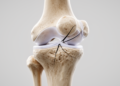
Groin pain represents a frequent, complex, and debilitating complaint among recreational and professional athletic populations, producing substantial time loss from sports participation and significantly diminishing quality of life. Within sports medicine, the aetiology of chronic groin pain is multifactorial, arising from an intricate interplay of musculoskeletal impairments, biomechanical alterations, and training load factors. While most prior athletic groin research has focused on elite competitors in field sports such as soccer, rugby, and hockey, its widespread prevalence among recreationally active adults highlights the necessity of evaluating diagnostic and functional strategies in broader cohorts. Current clinical frameworks, such as the Doha agreement, classify athletic groin pain into distinct clinical entities, identifying adductor-related pain as the most prevalent contributor, alongside pubic-related pain, inguinal-related pain, and underlying intra-articular hip pathology. Although multimodal rehabilitation combining exercise therapy, load management, and adductor strengthening remains strongly supported, the relationship between manual physical examination signs and objective strength deficits has remained unclear.
To address this diagnostic question, the researchers conducted a cross-sectional, observational, and exploratory study with blinded outcome assessment to describe physical performance, isometric strength, and clinical examination findings in physically active individuals with clinically diagnosed groin pain. The investigation adhered to the Declaration of Helsinki and received formal institutional approval from the Research Ethics Committee of Santa Catarina State University under CAAE identification 42853720.0.0000.0118 and approval number 4.631.512, with all participants providing written informed consent prior to data collection. Participant recruitment occurred between March and August 2023 through digital advertisements, regional training centres, local athletic clubs, outpatient physical rehabilitation clinics, and university networks. Eligible participants were between 18 and 45 years of age, possessed a clinical diagnosis of groin pain confirmed by a physiotherapist or sports medicine physician, and reported symptoms persisting for at least six weeks. Participants were also required to be moderately or very active under World Health Organisation guidelines and perform regular lower-limb training.
The researchers enforced rigorous exclusion criteria to eliminate confounding systemic or spinal pathologies that could distort lower-limb biomechanical performance or clinical test interpretation. Candidates were excluded if their pain was exclusively referred from the lumbar spine or if they possessed any surgical history involving the lumbar spine, pelvis, or lower limbs. Additional exclusion criteria disqualified individuals with past pelvic or lower-extremity fractures, diagnosed abdominal or inguinal hernias, manifest neurological symptoms in the lower extremities, severe muscular deconditioning, or existing neuromusculoskeletal disorders capable of compromising functional testing. In total, thirty-seven qualifying adults met every eligibility requirement and completed the testing protocol, with enrollment conducted without restrictions regarding symptom laterality. All testing procedures were conducted during a single experimental session within a standardized biomechanics laboratory maintained under controlled ambient conditions, specifically a temperature between 22 and 24 degrees Celsius and relative air humidity between 45 and 55 percent, following twenty-four hours of rest from vigorous exercise.
Data collection began with a structured questionnaire covering demographic data, weekly physical activity volume, athletic history, musculoskeletal complaints, and injury prevention practices, followed by detailed anthropometric profiling. Standing body height was measured using a fixed wall-mounted stadiometer accurate to 0.1 centimetres, body mass was recorded using a calibrated digital balance scale accurate to 0.1 kilograms, body mass index was calculated in kilograms per square metre, and leg length was determined in the supine position from the anterior superior iliac spine to the medial malleolus using a flexible measuring tape accurate to 0.1 centimetres. Functional performance was evaluated using two validated protocols: the modified Star Excursion Balance Test and the cross-over hop test. For the modified Star Excursion Balance Test, barefoot participants stood on the stance foot at the intersection of a floor grid with hands on their hips, performing maximal reaches with the contralateral great toe across anterior, posteromedial, and posterolateral directions without transferring weight.
For the balance evaluations, participants completed three practice trials per direction followed by three recorded valid trials, which were averaged and normalised to leg length percentage. Dynamic power and stability were evaluated through the cross-over hop test following Reid’s protocol. Participants began in a balanced single-leg stance behind a taped cross on the laboratory floor, completing three consecutive maximal single-leg hops forward while crossing back and forth over a central fifteen-centimetre guideline. The final outcome measured total linear distance in centimetres from the starting line to the landing point, retaining the best of two recorded trials. Lower-limb isometric strength was quantified using a calibrated handheld portable dynamometer, specifically the HHD MEDEOR from MEDEOR SP Tech, secured with non-elastic stabilization straps. This testing setup exhibits excellent experimental reliability across major lower-limb muscle groups, with established intraclass correlation coefficients ranging from 0.85 to 0.99 for hip abductors, adductors, rotators, quadriceps, and hamstrings in rehabilitation research.
The standardized dynamometric strength protocol evaluated five distinct anatomical movements on both lower extremities: hip abduction and adduction tested in lateral decubitus with the hip neutral and knee extended, with the dynamometer placed at the malleoli; hip internal and external rotation tested seated with hip and knee flexed to ninety degrees; knee extension tested seated with the hip at ninety degrees and knee at sixty degrees; knee flexion tested prone with neutral hip and knee at sixty degrees using strap stabilization; and seated hip flexion tested with hip at ninety degrees. Each contraction lasted five seconds with thirty seconds of passive rest between maximal efforts, preceded by a dedicated warm-up trial. Peak force in kilogram-force was recorded across three consecutive attempts, and the mean was utilized to calculate agonist-to-antagonist strength ratios: knee flexion to extension, hip adduction to abduction, and hip internal to external rotation.
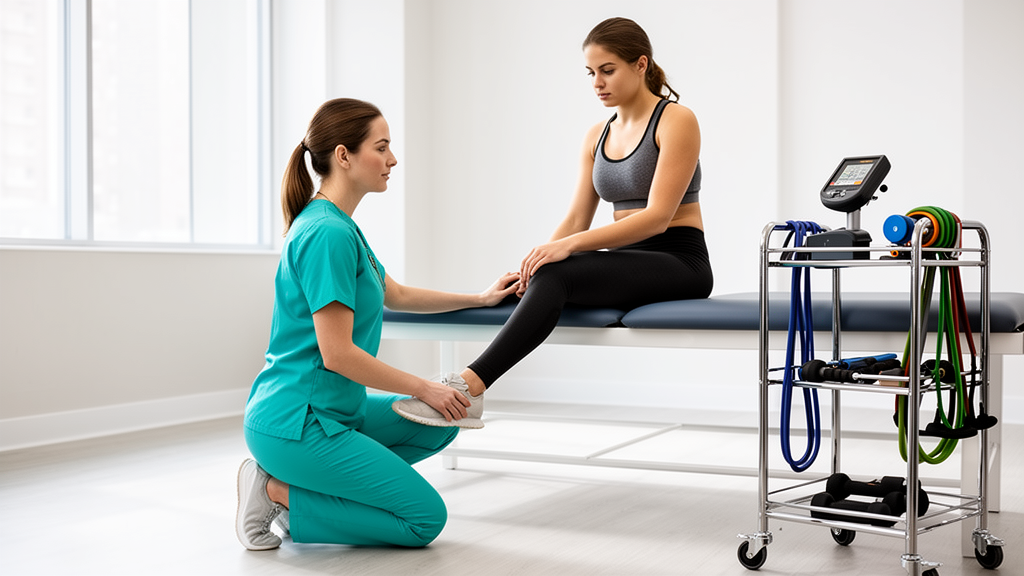
All clinical examination manoeuvres were performed bilaterally by an experienced physical therapist possessing over five years of specialized clinical experience, who remained completely blinded to the functional performance and dynamometric measurements. The clinical diagnostic battery evaluated typical pain reproduction—defined explicitly as the reproduction of the participant’s familiar clinical groin discomfort—across five standardized orthopaedic and palpation evaluations exhibiting moderate to good established reliability. The battery comprised the hip scour test, performed by applying passive axial load along the femur during hip flexion and adduction before guiding the limb into abduction; the adductor squeeze test, executed at zero, forty-five, and ninety degrees of hip flexion using five-second maximal isometric contractions against an examiner’s fist or dynamometer; the flexion, abduction, and external rotation test; the flexion, adduction, and internal rotation test; and targeted palpation over the adductor origin, pubic symphysis, quadriceps belly, and lower abdominal wall region.
Statistical analyses were executed using IBM SPSS Statistics version 20.0, evaluating continuous variables through mean and standard deviation or median and interquartile range based on normality testing. Among the thirty-seven participants, mean age was 30.19 years, average body mass index was 27.21 kilograms per square metre, and average leg length was 99.97 centimetres. Positive clinical findings were highly prevalent across the cohort: left adductor-region palpation produced pain in 74.3 percent of valid observations, and the left flexion, abduction, and external rotation test provoked familiar pain in 70.3 percent of evaluations. Binary logistic regression models adjusted for age, body mass index, and height evaluated associations between functional performance or isometric strength variables and positive clinical tests. Across 448 individual outcome-predictor models, none remained statistically significant after Benjamini-Hochberg false discovery rate correction, with every adjusted p-value equaling or exceeding 0.270, demonstrating that apparent unadjusted associations did not withstand rigorous multiple-comparison adjustments.
In evaluating these findings, the authors emphasized that physically active adults with groin pain demonstrated broadly balanced right- and left-side performance in functional reach, hop distance, and isometric strength ratios, indicating that positive clinical examination tests reflect localized tissue irritability rather than measurable deficits in static strength or dynamic balance. The researchers noted several critical methodological limitations, including the modest exploratory sample size of thirty-seven participants, which restricted statistical power and increased the risk of type II errors. Furthermore, because participant sex and symptom laterality were not retained in the de-identified analytical dataset, analyses could not evaluate sex-specific differences or compare symptomatic versus asymptomatic limbs. Additionally, static dynamometry does not evaluate eccentric strength, rapid rate of force development, endurance, or sport-specific loading. Consequently, the authors concluded that manual pain-provocation tests should not serve as isolated surrogates for functional capacity, underscoring the necessity of multimodal assessments combining clinical classification, eccentric strength testing, and sport-specific evaluations to guide rehabilitation decisions.
Subject of Research: Clinical examination findings and biomechanical performance in adults with groin pain
Article Title: Clinical examination findings were not associated with isometric strength or functional performance in adults with groin pain
Article References: Branco, M. O., Martins, T. B., da Costa, G. V., de Sousa, V. M. M., Immich, A., Dutra, K. B., Migliorini, F., Maffulli, N., & Okubo, R. (2026). Clinical examination findings were not associated with isometric strength or functional performance in adults with groin pain. Journal of Orthopaedics and Traumatology, 27(1), Article 60. https://doi.org/10.1186/s10195-026-00971-1
Image Credits: AI Generated
DOI: 10.1186/s10195-026-00971-1
Keywords: groin pain, orthopaedic examination, isometric strength, handheld dynamometry, modified Star Excursion Balance Test, cross-over hop test, FABER test, FADIR test, adductor squeeze test, hip scour test, adductor palpation, physical performance, dynamic balance, sports medicine, Doha agreement, rehabilitation, athletic injuries, false discovery rate
News Source: Ophelia Keating. (November 18, 2026). Clinical Examination Findings Not Associated With Strength or Functional Performance. Scienmag.