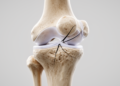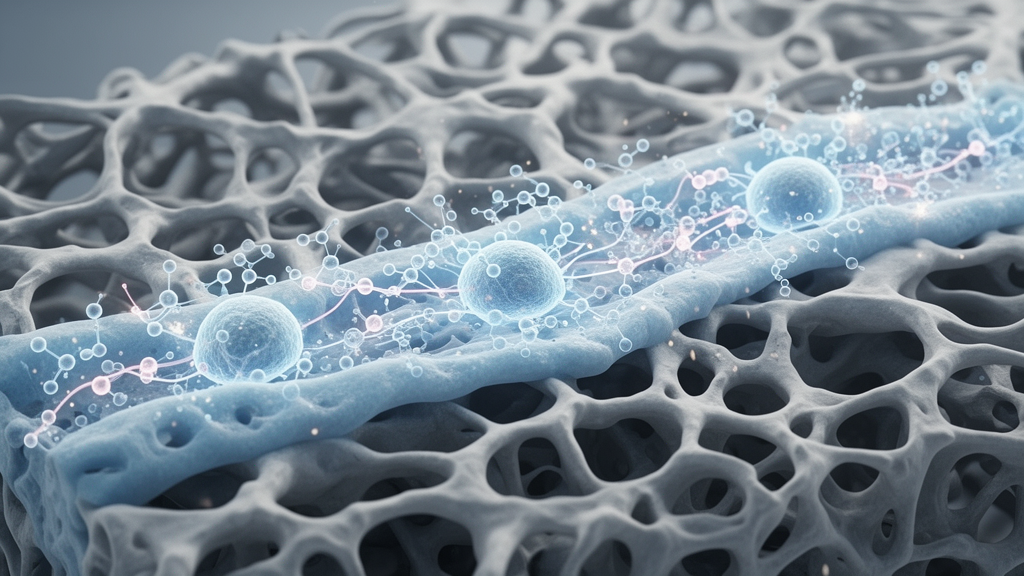
A comprehensive clinical evaluation encompassing 179 evaluated publications across global medical databases demonstrates that targeted natural bioactive compounds can effectively modulate bone remodeling pathways and counter osteoporotic deterioration. Osteoporosis represents a prevalent chronic skeletal pathology distinguished by the progressive reduction of bone mineral density and micro-architectural breakdown of bone tissue, elevating the risk of fragility fractures. Current epidemiological data indicate that the disorder impacts more than two hundred million individuals globally, with aging populations driving increased fracture incidence across Europe, North America, and Asia. Within standard medical practice, intervention relies heavily on pharmacological agents such as bisphosphonates, selective estrogen receptor modulators, and targeted monoclonal antibodies like denosumab. Despite their therapeutic efficacy in suppressing resorption, prolonged reliance on synthetic regimens presents substantial clinical challenges, including atypical femoral fractures, osteonecrosis of the jaw, and rapid bone loss following cessation. Consequently, researchers have focused on validating plant and marine compounds capable of targeting molecular pathways without inducing notable adverse reactions.
Among specific botanical derivatives assessed in randomized human investigations, oligopin, an extract obtained from French maritime pine bark containing concentrated oligomeric proanthocyanidins, demonstrated pronounced regulatory capacity over bone turnover biomarkers. In a randomized, double-masked clinical trial evaluating forty postmenopausal women diagnosed with osteopenia over twelve weeks, daily administration of two hundred and fifty milligrams of oligopin produced statistically significant improvements compared to placebo controls. Participants receiving the extract exhibited a marked decline in serum C-terminal telopeptide of type I collagen, alongside significant elevations in procollagen type one amino-terminal propeptide and bone alkaline phosphatase. At the molecular level, these therapeutic benefits stem from the extract’s capacity to suppress nuclear factor kappa-B cascades and attenuate oxidative stress. By inhibiting nuclear factor kappa-B activation, oligopin diminishes the synthesis of pro-inflammatory cytokines including tumor necrosis factor-alpha, interleukin-one, and interleukin-six, thereby preventing receptor activator of nuclear factor kappa-B ligand upregulation while stimulating osteoprotegerin expression to preserve bone micro-architecture.
Complementary clinical evidence supports the therapeutic utility of specialized olive polyphenol extracts and structural matrices derived from Cissus quadrangularis. In a twelve-month double-masked clinical trial involving sixty-four osteopenic postmenopausal women, daily supplementation with two hundred and fifty milligrams of Bonolive extract combined with one thousand milligrams of calcium stabilized lumbar spine bone mineral density, whereas the calcium-only control cohort experienced progressive bone loss. The olive intervention also induced noticeable elevations in serum osteocalcin and favorable lipid profile improvements. Mechanistically, oleuropein and hydroxytyrosol neutralize reactive oxygen species and inhibit nuclear factor kappa-B signaling, reducing osteoclastogenesis while promoting osteoprotegerin secretion. Bioactive constituents including lupeol, freidalin, and beta-sitosterol activate mitogen-activated protein kinase and sirtuin-one pathways, concurrently upregulating alkaline phosphatase and osteocalcin through Wnt and beta-catenin signaling.
Investigation into beverage-derived polyphenols and essential fatty acids confirms their capacity to alter skeletal remodeling through multi-target cellular mechanisms. A six-month randomized controlled trial involving one hundred and seventy-one osteopenic postmenopausal women established that oral supplementation with green tea polyphenols significantly accelerated bone turnover rates and increased biomarkers associated with active bone production. The primary constituent, epigallocatechin-3-gallate, strengthens cellular antioxidant defenses against oxidative damage, downregulates cyclooxygenase-two, and limits pro-inflammatory cytokines such as tumor necrosis factor-alpha and interleukin-one beta. Furthermore, epigallocatechin-3-gallate promotes osteoblast survival through Runx2-mediated pathways while triggering caspase-dependent apoptosis in mature osteoclasts. Similarly, clinical trials evaluating omega-3 polyunsaturated fatty acids reveal substantial skeletal advantages when combined with aerobic exercise. A twenty-four-week randomized study in seventy-nine sedentary postmenopausal women demonstrated that combining one thousand milligrams of daily omega-3 fatty acids with cardiovascular training elevated lumbar spine and femoral neck bone mineral density, serum estrogen, and osteocalcin, while reducing inflammatory markers including interleukin-six and prostaglandin E2.
The therapeutic impact of organosulfur and polyphenol chemistry is further highlighted by controlled clinical evaluations of garlic and curcumin in osteoporotic cohorts. A double-masked randomized trial assessing forty-four osteoporotic women over a one-month timeframe revealed that daily administration of garlic tablets containing over twelve hundred micrograms of allicin achieved a thirty-eight point seven percent reduction in circulating tumor necrosis factor-alpha levels. By utilizing active organosulfur components such as S-allylcysteine to scavenge free radicals and inhibit nuclear factor kappa-B transcription, garlic limits the primary cytokine drivers of bone resorption. Concurrently, a six-month placebo-controlled clinical trial involving one hundred postmenopausal osteoporosis patients demonstrated that daily administration of one hundred milligrams per kilogram of curcumin produced statistically significant bone mineral density increases in both the lumbar spine and femoral neck. Curcumin enhances osteogenesis by activating Wnt, beta-catenin, and bone morphogenetic protein-two pathways, while downregulating osteoclast differentiation genes including cathepsin K and matrix metalloproteinases through mitogen-activated protein kinase and nuclear factor kappa-B inhibition.
Botanical preparations derived from Asparagus racemosus and Acanthopanax senticosus illustrate divergent physiological targets spanning neuromuscular performance and osteoblast stimulation. A six-month randomized double-masked trial administering one thousand milligrams daily of Asparagus racemosus root extract to postmenopausal women demonstrated significant improvements in neuromuscular performance, specifically increasing handgrip strength, through enhanced phosphorylation of myosin regulatory light chain and Akt within vastus lateralis tissue. While circulating bone turnover markers remained unaltered in vivo, in vitro assays confirmed that phytoestrogenic steroidal saponins, termed shatavarins, interact with estrogen receptor alpha to suppress pro-osteoclastic cytokine production and elevate osteoprotegerin expression. Conversely, an open-label comparative trial examining eighty-one postmenopausal women with osteopenia or osteoporosis established that six months of three grams daily of Acanthopanax senticosus extract combined with calcium significantly elevated serum osteocalcin levels compared to calcium monotherapy. Flavonoid constituents including quercetin, rutin, and hyperin stimulate osteoblast proliferation through extracellular signal-regulated kinase and estrogen receptor pathways, while eleutherosides attenuate inflammatory osteolysis by downregulating circulating concentrations of interleukin-six, interleukin-twenty-three, and tumor necrosis factor-alpha.
Stilbenoid and isoflavonoid compounds provide targeted endocrine and metabolic modulation to attenuate postmenopausal and metabolic bone demineralization. In a sixteen-week double-masked trial enrolling seventy-four overweight men with metabolic syndrome, high-dose trans-resveratrol administration of five hundred milligrams twice daily produced a statistically significant two point six percent increase in lumbar spine trabecular volumetric bone mineral density alongside dose-dependent elevations in bone alkaline phosphatase. Resveratrol operates mechanistically by activating sirtuin-one, which stimulates runt-related transcription factor two while driving nuclear receptor corepressor binding to peroxisome proliferator-activated receptor gamma, repressing adipogenesis in favor of osteogenesis. Parallel clinical research in two hundred and three postmenopausal Chinese women demonstrated that eighty milligrams daily of soy isoflavones over twelve months significantly increased bone mineral content at the hip and trochanter, primarily by binding estrogen receptor beta and stimulating one-alpha-hydroxylase expression to enhance active vitamin D synthesis.
Further downstream metabolites and complex multi-component formulations demonstrate potent synergistic properties in regulating bone cell turnover and systemic calcium handling. In a twelve-month double-blinded Japanese study encompassing ninety-eight healthy postmenopausal women, daily supplementation with ten milligrams of S-equol, an active metabolite transformed from daidzein by specific intestinal microflora, significantly attenuated whole-body bone mineral density loss relative to placebo controls. S-equol suppresses receptor activator of nuclear factor kappa-B ligand expression, blocking downstream c-Jun N-terminal kinase and NFATc1 cascades, while concurrently binding osteoclast estrogen receptor beta to activate caspases three and seven, inducing programmed osteoclast apoptosis. Concurrently, a fourteen-week clinical trial investigating fifty-one postmenopausal women with metabolic syndrome evaluated a multi-target formula supplying hop-derived rho iso-alpha acids, berberine sulfate trihydrate, vitamin D3, and vitamin K1. Participants receiving the active formulation achieved a twenty-five percent reduction in serum osteocalcin turnover alongside a twenty-three percent elevation in serum twenty-five-hydroxyvitamin D levels, effectively suppressing macrophage-mediated inflammation while enhancing osteocalcin carboxylation and skeletal calcium binding.
Clinical assessments of diverse botanical matrices, including Trifolium pratense, Epimedium brevicornum, and Opuntia ficus-indica, confirm widespread skeletal efficacy through complementary hormonal and signaling pathways. A twelve-month double-masked clinical trial involving two hundred and five postmenopausal women demonstrated that red clover isoflavones significantly curtailed bone mineral density and content decline at the lumbar spine while elevating bone-specific alkaline phosphatase. These isoflavones promote beta-catenin accumulation within the Wnt signaling cascade and blunt receptor activator of nuclear factor kappa-B ligand-induced osteoclastogenesis. Similarly, a twenty-four-month trial evaluating one hundred late postmenopausal women established that an Epimedium brevicornum phytoestrogen flavonoid formula containing icariin successfully preserved lumbar spine and femoral neck bone mineral density without adverse endometrial effects. Icariin activates the PI3K-Akt-GSK3 and BMP2-Smad4 signaling axes to upregulate Runx2 and osteocalcin. In a separate clinical trial involving one hundred and thirty-one Mexican women, consumption of calcium-rich Opuntia ficus-indica cladodes normalized urinary calcium excretion and augmented hip bone mineral density, mediated by flavonoids that modulate estrogen receptors and suppress pro-inflammatory cytokines.
Despite the positive therapeutic profiles reported across these clinical trials, systematic synthesis reveals critical methodological limitations that temper broad clinical translation. The current evidence base remains heavily skewed toward postmenopausal female populations, leaving cohorts such as men, individuals suffering from glucocorticoid-induced osteoporosis, and patients managing chronic kidney disease-mineral and bone disorder substantially underrepresented. Significant pharmacological hurdles also persist regarding the bioavailability and pharmacokinetics of key polyphenolic compounds like curcumin and resveratrol, which undergo rapid systemic metabolism and demonstrate low oral absorption in vivo. Although clinical toxicity across recommended dosages remains mild—limited primarily to minor gastrointestinal symptoms or rare hormonal sensitivities, with specific cautions warranted for berberine drug interactions—the lack of standardized dosing regimens and long-term surveillance data necessitates comprehensive multi-center randomized trials before these bioactive compounds can reliably serve as standalone interventions or adjuncts to synthetic osteoporosis pharmaceuticals.
Subject of Research: Clinical efficacy and molecular mechanisms of natural compounds for osteoporosis
Article Title: Unlocking the mechanistic insights of clinically proven natural products against osteoporosis
Article References: Hasan, M. M., Momen, M. S. H., Haque, A., Afroja, F., Mim, S. A., Pallab, M. R. A., Nguyen, J., Mostaq, M. S., Mohammad, N., Tanjum, F. A., Mahmud, M. A., Tarun, M. T. I., Sabrin, S., & Amin, M. N. (2025). Unlocking the mechanistic insights of clinically proven natural products against osteoporosis. Clinical Phytoscience, 11(1), Article 18. https://doi.org/10.1186/s40816-025-00403-3
Image Credits: AI Generated
DOI: 10.1186/s40816-025-00403-3
Keywords: osteoporosis, bone mineral density, osteoclastogenesis, osteoblast differentiation, RANKL, osteoprotegerin, Wnt beta catenin, oligopin, olive extract, Cissus quadrangularis, green tea polyphenols, omega 3 fatty acids, curcumin, resveratrol, soy isoflavones, S equol, Epimedium brevicornum, bone turnover markers
News Source: Ophelia Keating. (November 18, 2026). Clinically Evaluated Natural Compounds Regulate Bone Remodeling and Counter Osteoporosis. Scienmag.