• HOME
  • NEWS
  • EXPLORE
    • CAREER
      • Companies
      • Jobs
    • EVENTS
    • iGEM
      • News
      • Team
    • PHOTOS
    • VIDEO
    • WIKI
  • BLOG
  • COMMUNITY
    • FACEBOOK
    • INSTAGRAM
    • TWITTER
Friday, January 16, 2026
BIOENGINEER.ORG
No Result
View All Result
  • Login
  • HOME
  • NEWS
  • EXPLORE
    • CAREER
      • Companies
      • Jobs
        • Lecturer
        • PhD Studentship
        • Postdoc
        • Research Assistant
    • EVENTS
    • iGEM
      • News
      • Team
    • PHOTOS
    • VIDEO
    • WIKI
  • BLOG
  • COMMUNITY
    • FACEBOOK
    • INSTAGRAM
    • TWITTER
  • HOME
  • NEWS
  • EXPLORE
    • CAREER
      • Companies
      • Jobs
        • Lecturer
        • PhD Studentship
        • Postdoc
        • Research Assistant
    • EVENTS
    • iGEM
      • News
      • Team
    • PHOTOS
    • VIDEO
    • WIKI
  • BLOG
  • COMMUNITY
    • FACEBOOK
    • INSTAGRAM
    • TWITTER
No Result
View All Result
Bioengineer.org
No Result
View All Result
Home Headlines

Study offers a new mindset in the search for stroke therapies

Bioengineer.org by Bioengineer.org
January 25, 2018
in Headlines, Health, Science News
Reading Time: 2 mins read
0
Share on FacebookShare on TwitterShare on LinkedinShare on RedditShare on Telegram
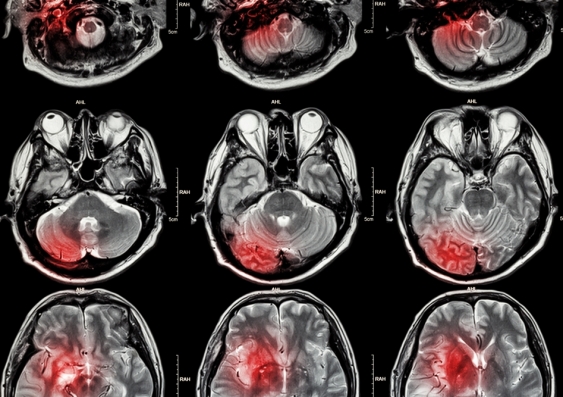
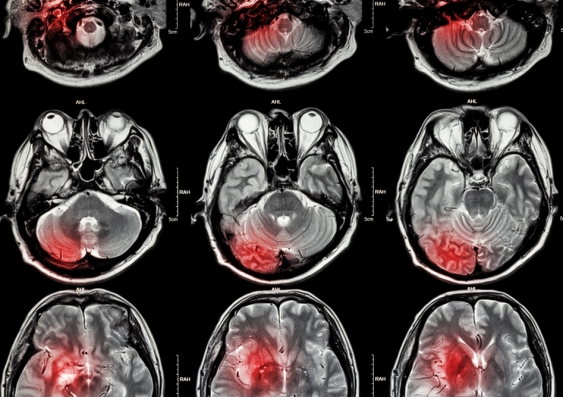
Credits: Shutterstock

UNSW researchers have identified a promising new avenue to explore in the search for stroke treatments, after translating findings from Alzheimer’s disease. The study published in Nature Communications finds that mice deficient in tau, a protein within brain cells (neurons), are significantly protected from excitotoxic brain damage after experimental stroke.

Stroke is a major cause of death and disability, and there is only a short window for therapeutic intervention, aimed at restoring blood flow to the brain before neurons are irreversibly damaged.

Professor Lars Ittner and Dr Yazi Ke at UNSW and NeuRA had already established that in Alzheimer’s disease, memory deficits and early deaths were tau-dependent.

The researchers suspected a reduction of tau would also reduce acute brain damage in stroke.

“Tau as a drug target is intensively explored in Alzheimer’s disease, but as a drug target in stroke is completely new thinking,” Professor Ittner says.

“That’s where our paper has implications beyond mouse model molecular work. Drug development in this space should consider stroke as a disease that you can treat by targeting tau,” Dr Ke added.

The paper, with first author Dr Mian Bi and co-senior author Dr Ke, is the first to show a direct role of tau in brain damage after stroke. It demonstrates profound protection from brain damage, of more than 90 per cent, in the absence of tau.

Tau has been eyed as a therapeutic target in Alzheimer’s disease for several years, and Professor Ittner is hopeful that work in that area can also advance research on stroke.

But he cautions these findings were made in mouse models only, and that pathways to therapies take decades.

“This cannot yet be directly translated to therapy, but what it opens up is a new kind of thinking about the mechanisms that lead to brain damage after stroke, and as such, opens new avenues to develop therapies in the future,” he says.

Dr Bi says it will be important that other studies validate the work, and he is sure the findings will encourage more research in this direction.

“Around 10 years ago the drug development field in stroke was very hot, but most therapeutic stroke trials came to an end in failure,” he says.

“Avenues to therapy are very long, but this might re-start interest in the field with a new direction that hasn’t been tried before. It’s a bit of light after all the past failure.”

Professor Ittner agrees: “It’s a new insight into a disease that is at the molecular level, still poorly understood, and it needs such new insights or rethinking to make a step forward towards therapy.”

###

Media Contact

Gabrielle Dunlevy
[email protected]
61-293-851-933
@UNSWnews

http://www.unsw.edu.au

http://dx.doi.org/10.1038/s41467-017-00618-0

Share12Tweet7Share2ShareShareShare1

Related Posts

Machine Learning Unveils PRMT5 Inhibitors’ Diversity and Stability

January 16, 2026
Unveiling Genetic Diversity in Soybean Cyst Nematodes

Unveiling Genetic Diversity in Soybean Cyst Nematodes

January 16, 2026

AI Predicts Tooth Extraction with Limited Imaging Data

January 16, 2026

Kuwait Unifies Pediatric ICU Data Nationwide

January 16, 2026
Please login to join discussion

POPULAR NEWS

  • Enhancing Spiritual Care Education in Nursing Programs

    155 shares
    Share 62 Tweet 39
  • PTSD, Depression, Anxiety in Childhood Cancer Survivors, Parents

    147 shares
    Share 59 Tweet 37
  • Robotic Ureteral Reconstruction: A Novel Approach

    76 shares
    Share 30 Tweet 19
  • Study Reveals Lipid Accumulation in ME/CFS Cells

    53 shares
    Share 21 Tweet 13

About

We bring you the latest biotechnology news from best research centers and universities around the world. Check our website.

Follow us

Recent News

Machine Learning Unveils PRMT5 Inhibitors’ Diversity and Stability

Unveiling Genetic Diversity in Soybean Cyst Nematodes

AI Predicts Tooth Extraction with Limited Imaging Data

Subscribe to Blog via Email

Enter your email address to subscribe to this blog and receive notifications of new posts by email.

Join 71 other subscribers
  • Contact Us

Bioengineer.org © Copyright 2023 All Rights Reserved.

Welcome Back!

Login to your account below

Forgotten Password?

Retrieve your password

Please enter your username or email address to reset your password.

Log In
No Result
View All Result
  • Homepages
    • Home Page 1
    • Home Page 2
  • News
  • National
  • Business
  • Health
  • Lifestyle
  • Science

Bioengineer.org © Copyright 2023 All Rights Reserved.