A major systemic evaluation published in Discover Chemistry catalogs significant preclinical progress in the rational engineering of multifunctional antidiabetic compounds, examining data across more than seventy-five hybrid chemical frameworks designed to address type 2 diabetes mellitus. Global epidemiological assessments highlight a dramatic escalation in metabolic disease, noting that approximately 366 million people were diagnosed with diabetes in 2011 with an initial projection of 552 million by 2030, while 2015 surveys counted roughly 415 million individuals with projections of 640 million by 2040. Recent data from the International Diabetes Federation documented approximately 589 million adults living with diabetes in 2024, forecasting nearly 853 million by 2050. Type 2 diabetes accounts for more than ninety percent of all cases, driven largely by insulin resistance linked to sedentary lifestyle patterns, dietary shifts toward processed foods high in sugar and fat, and excess adiposity, which carries a population-attributable fraction estimated between fifty and ninety percent. Nearly half of affected individuals remain undiagnosed, accelerating the onset of chronic complications such as retinopathy, nephropathy, neuropathy, and cardiovascular disease.
Standard clinical management relies heavily on monotherapies, including biguanides, sulfonylureas, dipeptidyl peptidase-4 inhibitors, sodium-glucose cotransporter-2 inhibitors, thiazolidinediones, and alpha-glucosidase inhibitors. While these pharmacological classes offer verified therapeutic utility, each operates primarily through single-target mechanisms that frequently fail to sustain glycemic control over extended durations. Metformin therapy is commonly limited by gastrointestinal adverse effects and rare lactic acidosis, sulfonylureas precipitate hypoglycemia and weight gain, dipeptidyl peptidase-4 inhibitors carry rare risks of pancreatitis and severe joint pain, glucagon-like peptide-1 receptor agonists induce transient nausea and vomiting alongside rodent thyroid C-cell associations, and sodium-glucose cotransporter-2 inhibitors increase the incidence of genitourinary infections alongside rare euglycemic ketoacidosis. Furthermore, alpha-glucosidase inhibitors such as acarbose, miglitol, and voglibose induce notable gastrointestinal distress, including flatulence, abdominal discomfort, and diarrhea. Because the underlying pathology of type 2 diabetes involves multiple interconnected dysfunctions, clinical regimens often require polypharmacy, which escalates drug-drug interaction risks, heightens treatment burden, and undermines long-term patient adherence across diverse clinical populations.
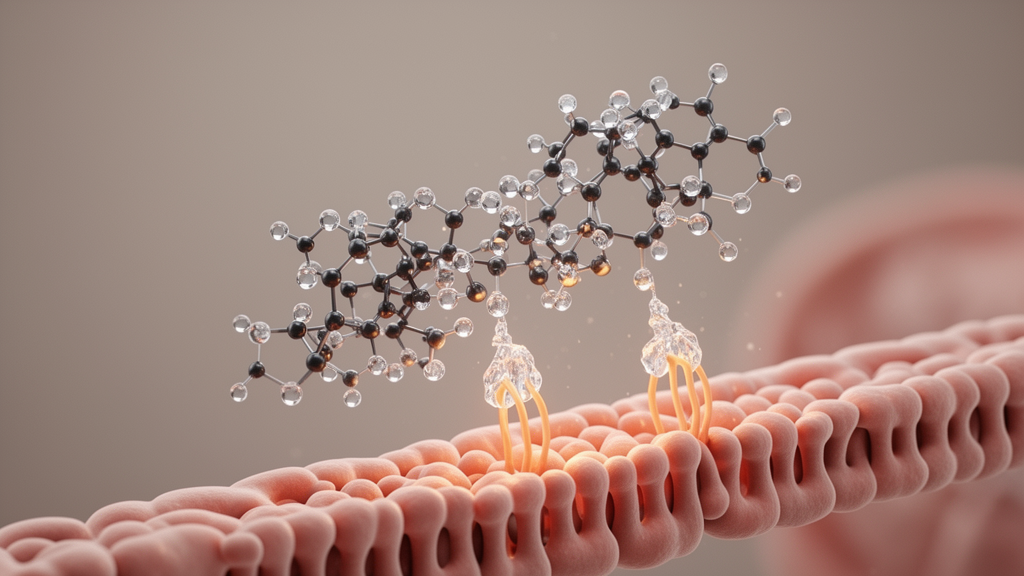
To overcome the biological limitations of single-target therapies, researchers have increasingly investigated molecular hybridization, a synthetic medicinal chemistry approach that covalently links two or more distinct bioactive pharmacophores within a single chemical scaffold. The systematic review identified candidate studies through comprehensive searches of PubMed, Scopus, and Web of Science up to mid-2025, filtering for peer-reviewed English investigations reporting computational docking, in vitro enzyme or cellular assays, and in vivo animal models of diabetes. By combining active fragments from established drug templates, molecular hybridization seeks to impart balanced dual- or multi-target pharmacology, improve target affinity, and reduce off-target liabilities. Preclinical findings reveal that multi-functional hybrids can simultaneously modulate independent pathogenic pathways, including postprandial carbohydrate digestion, incretin preservation, hepatic gluconeogenesis, and peripheral insulin sensitization. Researchers hypothesize that engaging complementary targets through a unified molecule may also prevent the activation of adaptive compensatory pathways and drug resistance often observed during prolonged single-agent regimens, though clinical confirmation remains essential.
Extensive research has focused on hybrid scaffolds engineered to inhibit the carbohydrate-hydrolyzing digestive enzymes alpha-glucosidase and alpha-amylase, which retard postprandial glucose absorption from the intestinal tract. Structurally diverse chalcone derivatives represent a primary focus of this design strategy. Chalcone-coumarin hybrids, including dimethoxyphenyl and dichlorophenyl coumarin urea and thiourea derivatives, showed favorable docking with the insulin receptor alongside significant blood glucose reductions and tissue protection in streptozotocin-nicotinamide diabetic rats. Synthesized chalcone-triazole hybrids exhibited rat intestinal alpha-glucosidase inhibition with half-maximal inhibitory concentration values of 67.77, 74.94, and 102.10 micromolar, accompanied by favorable water solubility, absent cytochrome P450 2D6 inhibition, and low mutagenicity. Thiazole-based chalcones demonstrated strong human pancreatic alpha-amylase binding, where the lead 3-(3-methoxyphenyl)-1-(2-phenylthiazol-4-yl)prop-2-en-1-one analogue displayed an inhibitory concentration of 54.09 micromolar alongside minimal hemolytic toxicity. Additionally, chalcone-sulfonyl piperazine derivatives exhibited dual enzymatic inhibition with half-maximal inhibitory values of 0.31 micromolar against alpha-glucosidase and 4.51 micromolar against alpha-amylase, outperforming acarbose in comparative assays.
Beyond chalcones, diverse heterocyclic cores have produced potent digestive enzyme inhibition in experimental evaluations. Benzimidazole-pyrazoline hybrids yielded an alpha-glucosidase inhibitory concentration of 50.06 micromolar, surpassing acarbose at 58.8 micromolar, with active site interactions involving aspartate-203 and histidine-600 residues. Isatin-thiazole conjugates demonstrated in vitro alpha-glucosidase inhibitory values spanning 28.47 to 46.61 micrograms per milliliter, comparable to acarbose at 27.22 micrograms per milliliter, alongside marked reductions in glycemia and triglycerides in diabetic rats. Benzylidene-quinazolinone hybrids achieved alpha-glucosidase inhibitory concentrations of 561 and 610 micromolar, driving blood glucose reductions between 36.16 and 43.07 percent in hyperglycemic rats. A series of 2,4-thiazolidinedione-phenothiazine hybrids exhibited alpha-amylase inhibition with values ranging from 60.8 to 83.7 micromolar, outperforming acarbose at 101.7 micromolar, while producing an approximate twofold increase in glucose uptake within L6 skeletal muscle cells. Furthermore, isoxazolidine-isatin hybrids displayed potent dual inhibition with half-maximal concentrations of 30.39 micromolar for alpha-amylase and 65.1 micromolar for alpha-glucosidase, showing high predicted gastrointestinal absorption.
Peroxisome proliferator-activated receptor modulation represents a second cornerstone of hybrid drug design, targeting systemic insulin resistance and dyslipidemia across metabolic tissues. 4-Benzyloxy and 4-(2-phenylethoxy) chalcone fibrate hybrids acted as effective PPAR-alpha agonists with half-maximal effective concentrations of 8.9 and 25.0 micromolar, stimulating carnitine palmitoyltransferase 1A transcription and PPAR-alpha protein expression in HepG2 cells while significantly lowering circulating triglycerides, total cholesterol, and low-density lipoproteins in hyperlipidemic rats beyond fenofibrate benchmarks. Concurrently, 4-thiazolidinone and 4(3H)-quinazolinone hybrids exhibited exceptional computational binding affinity for PPAR-gamma at minus 11.46 kilocalories per mole compared to pioglitazone at minus 9.09 kilocalories per mole, generating marked glucose reduction and histopathological pancreatic recovery in streptozotocin-induced diabetic rats dosed at 200 milligrams per kilogram. Thiazolidin-4-one benzenesulfonamides achieved 41.7 percent PPAR-gamma activation with demonstrated isoform selectivity over alpha and delta subtypes, promoting insulin secretion in diabetic rats. Thiazolidinedione-based amide hybrids demonstrated 53.65 percent PPAR-gamma transactivation with a 2.1-fold increase in target gene expression, outperforming rosiglitazone and pioglitazone in vivo without inducing hepatotoxicity or weight gain.
Molecular hybridization has also produced notable candidates targeting dipeptidyl peptidase-4, the serine protease responsible for inactivating the incretin hormones glucagon-like peptide-1 and glucose-dependent insulinotropic polypeptide. Gliptin-based hybrid molecules exhibited high in vitro DPPH radical scavenging of 89.38 and 91.58 percent, matching ascorbic acid at 91.58 percent, and exerted potent antidiabetic efficacy in animal models at 4 milligrams per kilogram. Pyrazolo-pyrimidinones synthesized via multi-step condensation achieved human dipeptidyl peptidase-4 inhibition with a lead half-maximal inhibitory concentration of 1.06 micromolar, approaching sitagliptin potency at 0.018 micromolar, and lowered blood glucose in streptozotocin diabetic rats without macrophage cytotoxicity. Pyrazolo[1,5-a]pyrimidin-7(4H)-one derivatives demonstrated nanomolar potency with an inhibitory concentration of 49 nanomolar alongside over 1,000-fold selectivity against related dipeptidyl peptidases 8 and 9, producing a 34 percent reduction in glucose excursion during intraperitoneal glucose tolerance testing in diabetic mice at 10 milligrams per kilogram. Moreover, pyrazole-containing beta-amino carbonyl compounds synthesized via bismuth nitrate catalysis delivered potent dipeptidyl peptidase-4 inhibition at 4.16 nanomolar alongside significant in vivo glucose lowering.
Several innovative hybrids demonstrate multi-pathway integration by engaging distinct regulatory enzymes simultaneously, addressing complications such as sorbitol accumulation, neuropathic pain, and systemic inflammation. Benzothiazole-based 4-oxothiazolidin-2-yl-imino acetic acid derivatives potently inhibited aldose reductase with nanomolar values of 46 and 67 nanomolar while preserving selectivity over aldehyde reductase and engaging protein tyrosine phosphatase 1B. Imidazole-piperazine hybrids enhanced insulin secretion independently of alpha-2-adrenoceptor blockade, improving oral glucose tolerance in diabetic rats without precipitating hypoglycemia. Benzothiazole-1,3,4-oxadiazole-4-thiazolidinone hybrids integrated PPAR-gamma activation with potent alpha-glucosidase inhibition at an inhibitory concentration of 0.21 micromolar, outperforming pioglitazone in streptozotocin rats. Thiazole-pyrazole hybrids designed as rosiglitazone-celecoxib combinations demonstrated up to 79 percent PPAR-gamma activation, alpha-glucosidase inhibition at 0.128 micromolar, and selective cyclooxygenase-2 inhibition with significant in vivo anti-inflammatory efficacy. Furthermore, pyrazolo[3,4-d]pyrimidinones bearing fibrate side chains enhanced skeletal muscle glucose uptake in L6 cells by 54 percent at 10 micromolar, exceeding the response of metformin at 500 micromolar, while promoting pancreatic islet restoration in diabetic rats.
Striking nanomolar and sub-micromolar potencies have emerged among complex heterocyclic hybrids tested in vitro against alpha-glucosidase. Cyanoacetohydrazide-1,2,3-triazole hybrids exhibited uncompetitive enzyme inhibition with an inhibitory constant of 0.24 micromolar and an overall inhibitory value of 1.00 micromolar, representing an approximate 754-fold enhancement over acarbose at 754.1 micromolar. Benzylidene benzohydrazide-1,2,3-triazoles achieved remarkable noncompetitive inhibition with a half-maximal concentration of 0.01 micromolar and inhibitory constants between 0.01 and 0.02 micromolar, vastly exceeding standard benchmarks. Benzimidazole-triazole-N-arylacetamides and quinoline-benzimidazole-acetamides yielded competitive alpha-glucosidase inhibition with values of 49.0 and 3.2 micromolar, respectively. Similarly, biscoumarin-1,2,3-triazoles demonstrated yeast alpha-glucosidase inhibition between 13.0 and 75.5 micromolar, coumarin-thiosemicarbazones achieved potency at 2.13 micromolar, and 7-fluorochromone-thiosemicarbazones reached 6.40 micromolar. In addition, pyrazole-thiazolidinone hybrids produced dual inhibition of alpha-amylase at 6.20 micromolar and alpha-glucosidase at 6.80 micromolar, while triazinoindole-sulfonamides inhibited alpha-amylase with concentrations ranging from 0.30 to 1.60 micromolar, illustrating the broad inhibitory capacity achievable through diverse heterocyclic combinations.
Despite these encouraging preclinical observations, the review identifies critical methodological limitations across the published literature that preclude immediate translational conclusions. Absorption, distribution, metabolism, excretion, and toxicity profiles remain incompletely characterized, with many studies relying solely on basic Lipinski descriptors or theoretical predictions rather than experimental pharmacokinetic assays. Statistical reporting is frequently deficient, lacking detailed sample sizes, p-values, confidence intervals, explicit rodent strains, or consistent dosing schedules. Substantial assay heterogeneity further complicates cross-study comparisons, as original papers frequently omit the biological origin of testing enzymes, buffer conditions, and substrate concentrations, categorized as unstated enzyme sources. This discrepancy is particularly evident in alpha-glucosidase assays, where acarbose reference values range from 1 to 50 micromolar for mammalian enzymes but expand to 750 to 870 micromolar in yeast preparations. Computational investigations also display reporting inconsistencies, frequently omitting software versions, force fields, simulation durations, and quantitative metrics such as root-mean-square deviation stability or free-energy calculation parameters.
The authors emphasize that advancing hybrid chemotypes toward clinical utility requires rigorous preclinical safety and liability screening before initiating human trials. Early evaluation must prioritize profiling against cytochrome P450 isoforms, specifically CYP3A4, CYP2D6, CYP2C9, CYP2C19, and CYP1A2, to detect potential inhibition that could precipitate dangerous drug-drug interactions in diabetic patients routinely prescribed statins, antihypertensives, and metformin. Cardiac safety mandates strict in vitro testing against the human ether-a-go-go-related gene potassium channel in accordance with ICH S7B guidelines, ensuring lead molecules do not induce QT prolongation or fatal ventricular arrhythmias. Candidates incorporating peptide fragments must undergo immunogenicity and cytokine release assessments to avert adverse immune activation. While alpha-glucosidase and dipeptidyl peptidase-4 hybrids show the most advanced translational readiness, alongside select PPAR-gamma modulators, challenging targets like protein tyrosine phosphatase 1B and systemic aldose reductase continue to face membrane permeability barriers and selectivity hurdles. Consequently, rigorous Phase I clinical trials remain obligatory before therapeutic superiority, long-term safety, or improved patient compliance over established monotherapies can be established.
Subject of Research: Preclinical development and molecular hybridization strategies for multitarget antidiabetic drug discovery
Article Title: Molecular hybridization strategies for developing antidiabetic agents with optimized therapeutic efficacy
Article References: Das, S. S., Kashyap, M., Choudhury, N., Patowary, P., Dutta, K. N., Mazumder, M. U., & Deka, B. (2026). Molecular hybridization strategies for developing antidiabetic agents with optimized therapeutic efficacy. Discover Chemistry, 3(1), Article 467. https://doi.org/10.1007/s44371-026-00547-2
Image Credits: AI Generated
DOI: 10.1007/s44371-026-00547-2
Keywords: molecular hybridization, type 2 diabetes, alpha-glucosidase inhibitors, alpha-amylase, DPP-IV inhibitors, PPAR gamma agonists, PPAR alpha, aldose reductase, PTP1B, insulin receptor, preclinical pharmacology, enzyme kinetics, molecular docking, polypharmacy, streptozotocin models, drug discovery, ADMET profiling
News Source: Louis Brooks. (November 18, 2026). Molecular Hybrids Show Multitarget Antidiabetic Potential Across Preclinical Evaluations. Scienmag.